
The bedroom the AC can't catch
If one room runs hotter than the rest no matter where the thermostat is set, empty walls on the sunny side are one of the first things I check, along with the ductwork.
A bedroom that stays hot after the AC runs all afternoon often has empty walls. We fill them so every room keeps up.
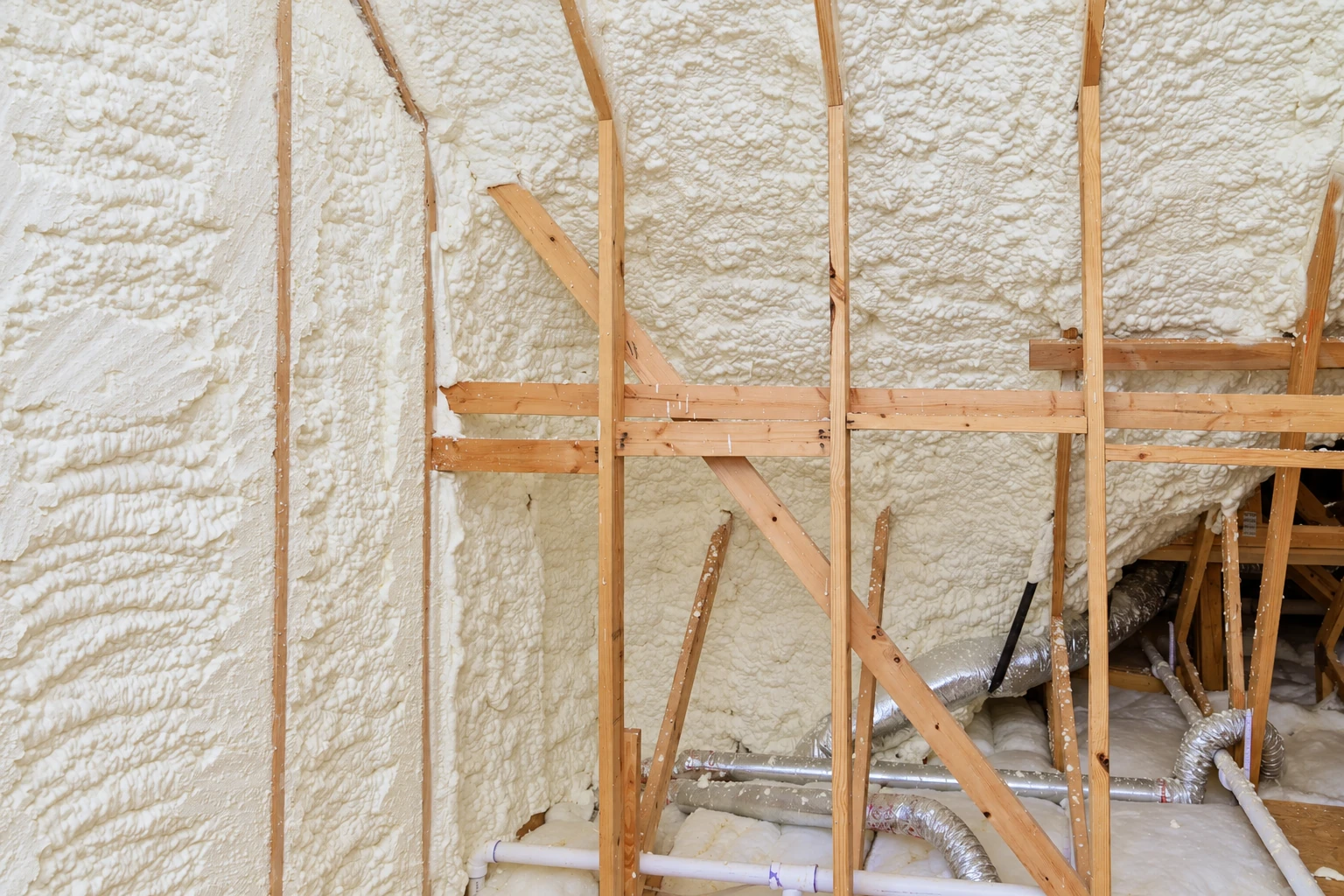
Wall insulation in Corona fills the empty or half-empty spaces inside your outside walls, usually by blowing insulation in through small holes with a hose, so your rooms stop heating up and cooling off with the weather outside.
Most people call because one room never matches the rest of the house. The attic may already be done and the AC runs all afternoon, but the bedroom on the sunny side is still warm at bedtime. Plenty of houses have walls with little or nothing in them, and topping up the attic insulation again won't fix that. The price mostly comes down to how much wall there is, what's in the cavities now, whether we work from inside or outside, and whether older wiring or old paint adds steps. The schedule turns on those same things plus how much furniture we're working around, and I'll go over both for your house when I come out to look.
If your walls are already full, I'll tell you, and we'll keep looking for the real cause instead of selling you something that won't change how the room feels.
I want you to understand the work well enough to explain it to the next person who opens up your walls, so I walk you through what we found and why.
We're fully licensed and insured. I'm the one who comes out to look and write the estimate, and a lead installer runs each job so someone on site knows the plan.
I start with a flashlight and a lot of questions, because we find out what's already in your walls before we drill anything, and sometimes the answer is that the walls aren't the problem. Then we talk through working from inside or outside, which mostly comes down to how we can get to the cavities and what shape the old material is in. In an older home I look at the wiring first, since that can change the whole plan. On the day of the job, a lead installer runs the crew. For inside work they cover the floors and set up dust containment, then drill small holes near the top of each cavity, pack it full and even, plug and patch the holes, and clean up before they leave.
Walls are only part of how your house holds its temperature. Gaps around outlets, pipes and the top edge of the walls let air slip right past new insulation, so we often pair wall work with air sealing services, which close those gaps first. If your house has a basement and the chill or damp starts down there, basement insulation might be money better spent, and I'll say so when the smaller fix is the right one.
If one room runs hotter than the rest no matter where the thermostat is set, empty walls on the sunny side are one of the first things I check, along with the ductwork.
A room over the garage takes heat from below and from the sides. Its walls sometimes get skipped when a house is built or remodeled, so they're worth a look.
If you're re-siding anyway, that's the easiest time to fill the walls from outside, because the cavities are already open to us and nothing inside the house gets touched.
Landlords and small building owners call us when tenants say a unit is hot or drafty. Choosing between inside and outside work lets us plan around the people living there.
Send the form and we'll get back to you within one business day to set a time. I'll come out, look at your walls and write up the estimate on site, free and with no pressure to book.
The age of the house tells me what to look for inside the walls, from the kind of wiring to the paint, before anyone picks up a drill.
The size of the house gives us a rough sense of how much wall we're dealing with, and it decides whether some rebates apply to you.
Whether it's central air, a heat pump or a wall unit matters for comfort and for rebate rules, so a quick note on the form saves a question later.
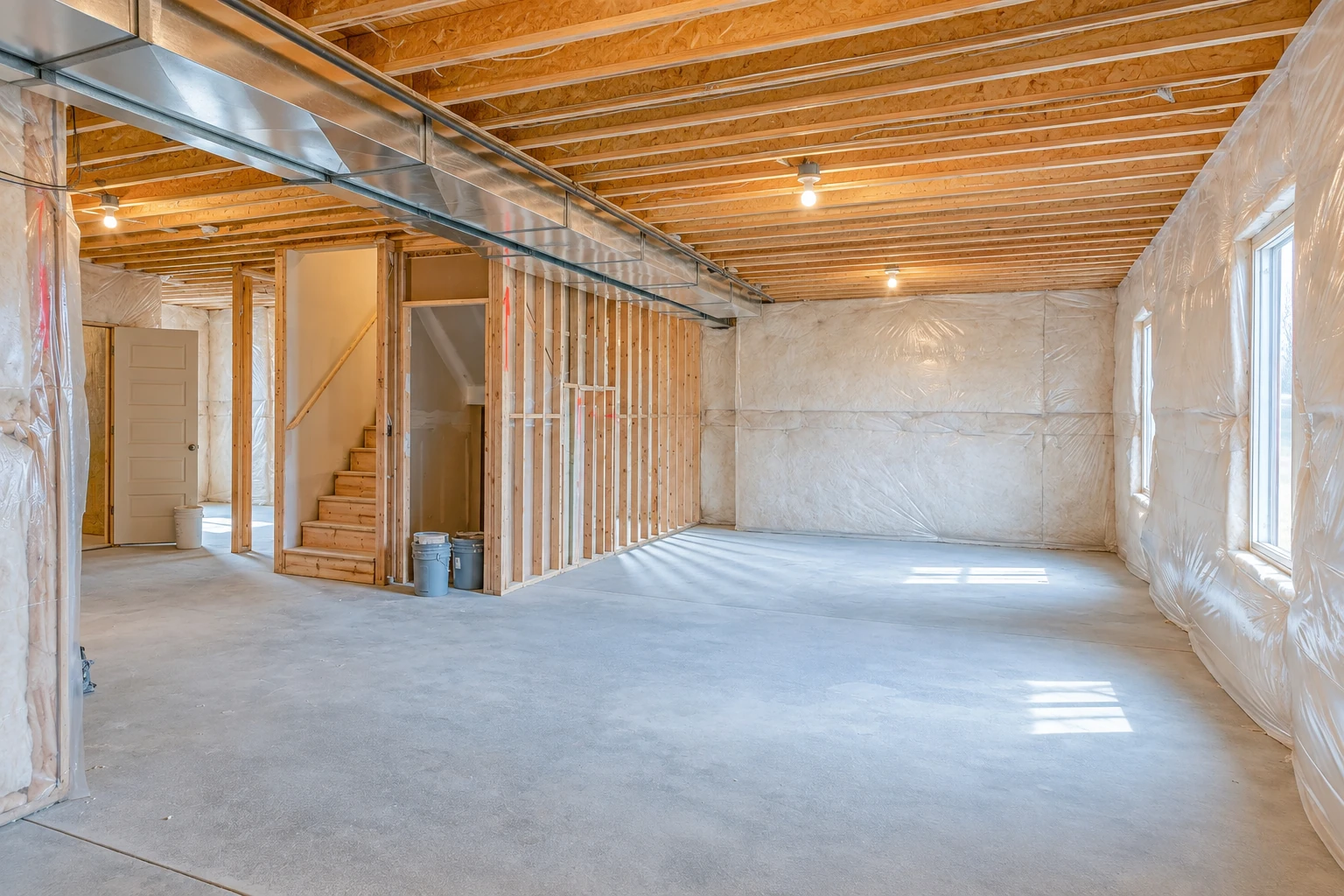
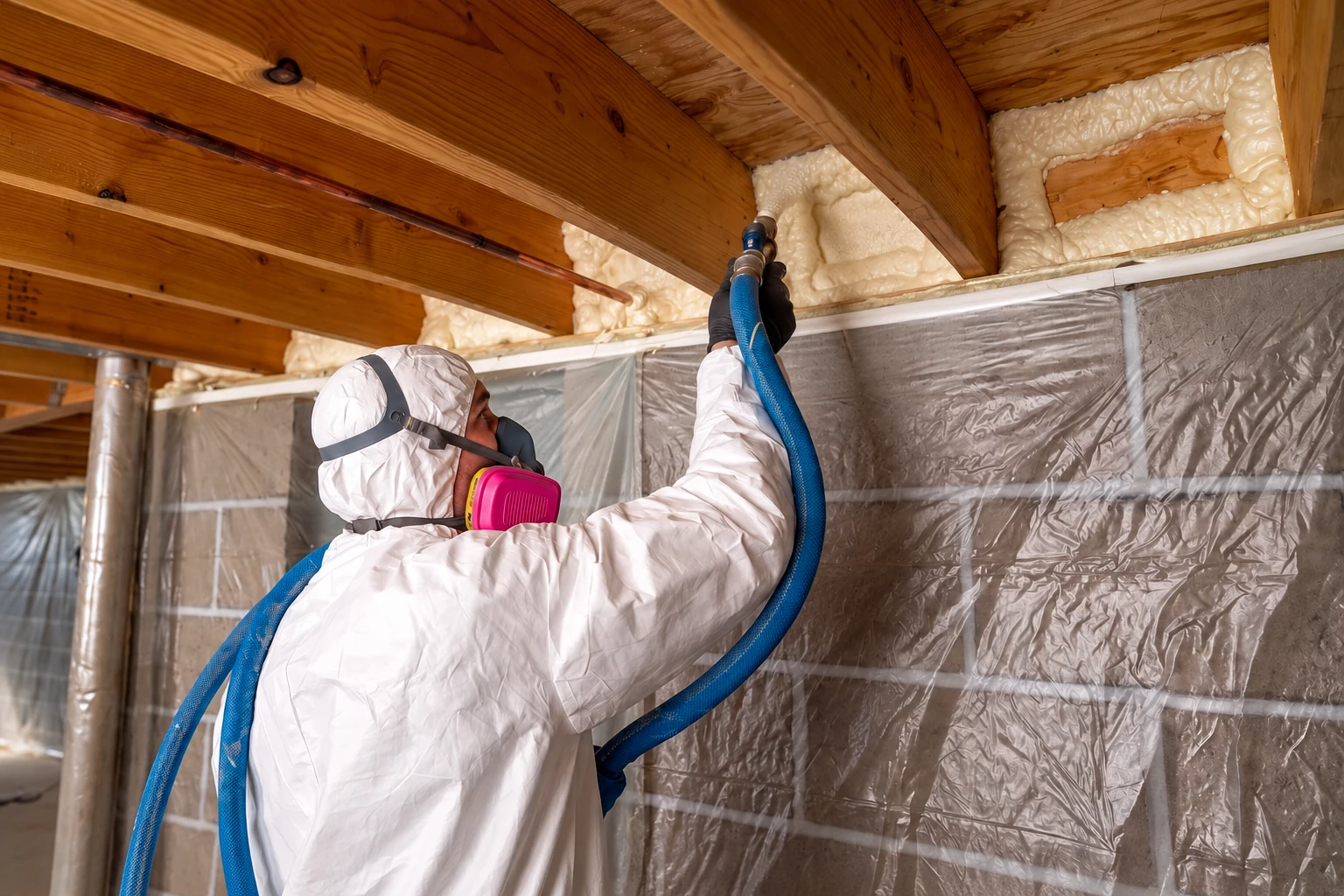
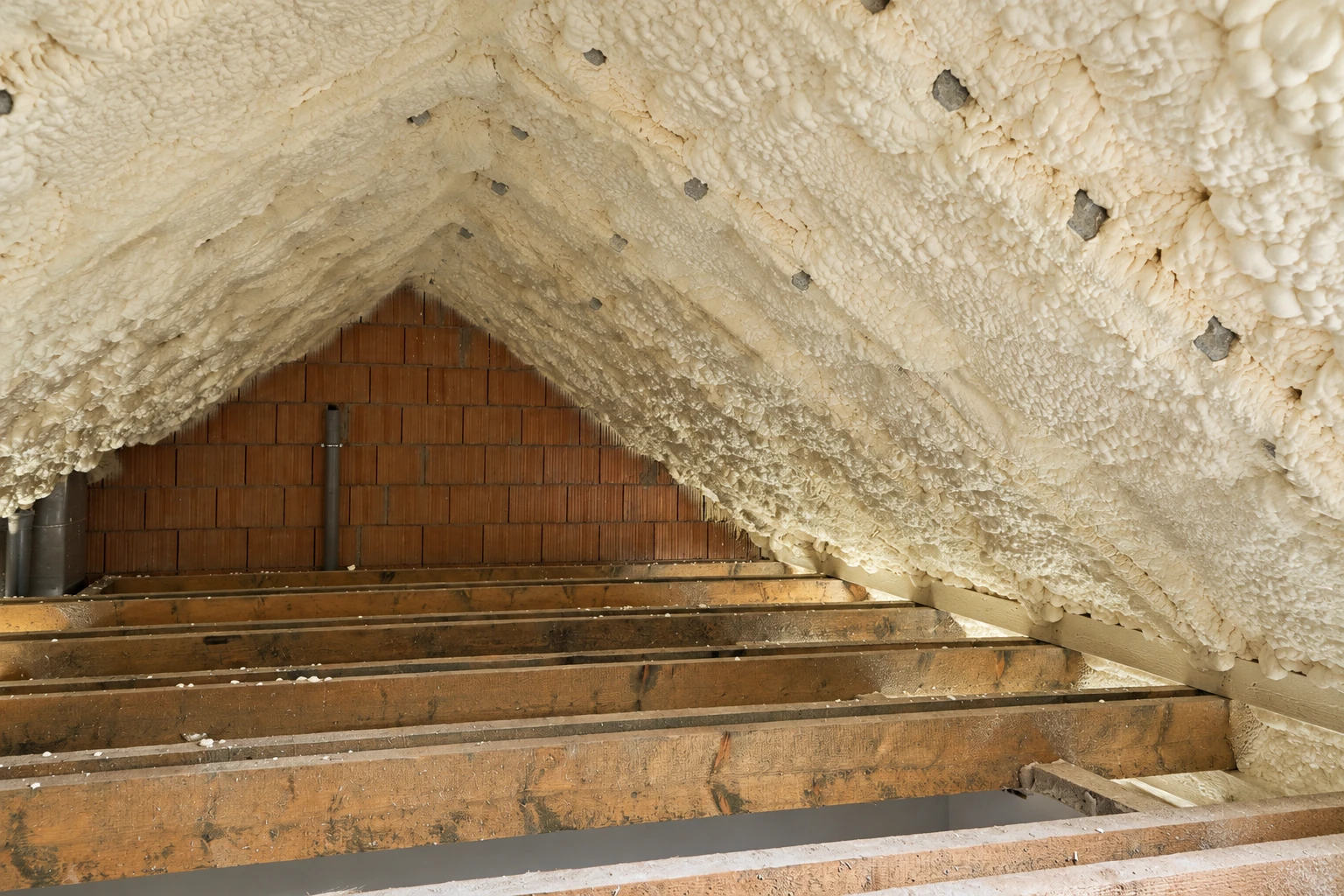
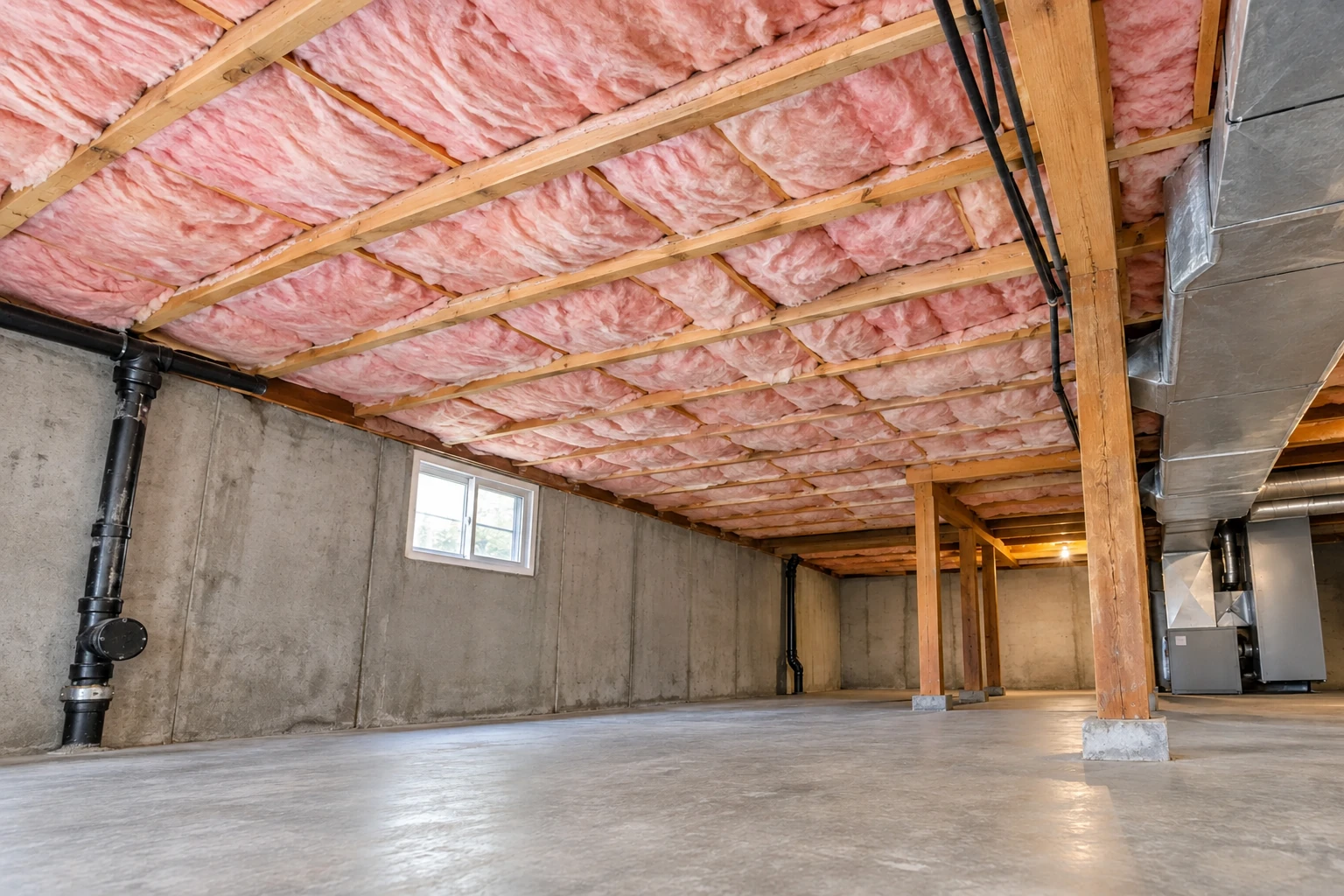
These sample photos show fill materials, drill patterns and patched walls you can point to when we talk through the plan for your house.
Straight answers to what homeowners ask before they let anyone drill holes in their walls, from cost to older wiring.
Yes. The usual way is called drill and fill, where small holes go near the top of each wall cavity, from inside or outside, and insulation gets blown in. Going in from outside breaks the wall's drainage plane, the water-shedding layer behind the siding, if there is one, so it then needs patching or replacing. Going in from inside leaves that layer alone.
For closed walls in an existing house, dense-packed cellulose or fiberglass is the favored choice. Packing it tight keeps it from settling, fills the cavity completely and slows air moving through, so it's fair to ask for a full, even fill. Cellulose breaks down if it gets soaked, while fiberglass isn't permanently damaged by a soaking, which matters on any wall that could take on water.
Installing blown-in wall insulation usually costs about $4 to $4.50 per square foot across the US, so treat that as a national ballpark, not your price. If SCE is your electric company, its Home Performance Plus rebates list $1.06 per square foot for blown-in fiberglass, cellulose or rock wool, for homes under 3,000 square feet with one of the listed heating and cooling setups.
It can be, once two things are checked. Federal guidance says to be aware of lead safety rules when disturbing walls in homes built before 1980, and the National Electrical Code doesn't allow insulation applied to or around knob and tube wiring, the old wire strung on porcelain knobs. If we find that wiring, those walls don't get filled until it's dealt with.
You can check three ways. Make a small cut in the inside drywall, look beside an outlet box with the power to it turned off, or use an infrared camera, though the camera only gives a rough picture of what's there, not an exact reading. Finding out what's in there is the first thing I do at your house anyway.
In most cases, yes. California's contractor license board lists a class for insulation work, and even a job under $1,000 needs a license if it's subject to any permit or the person doing it hires help. On permits, we check with the city or county office for each job, and if one's needed we handle the application and meet the inspector.
Call (951) 393-1170 or send the form, and we'll find out whether your walls are the problem before you spend anything on them.