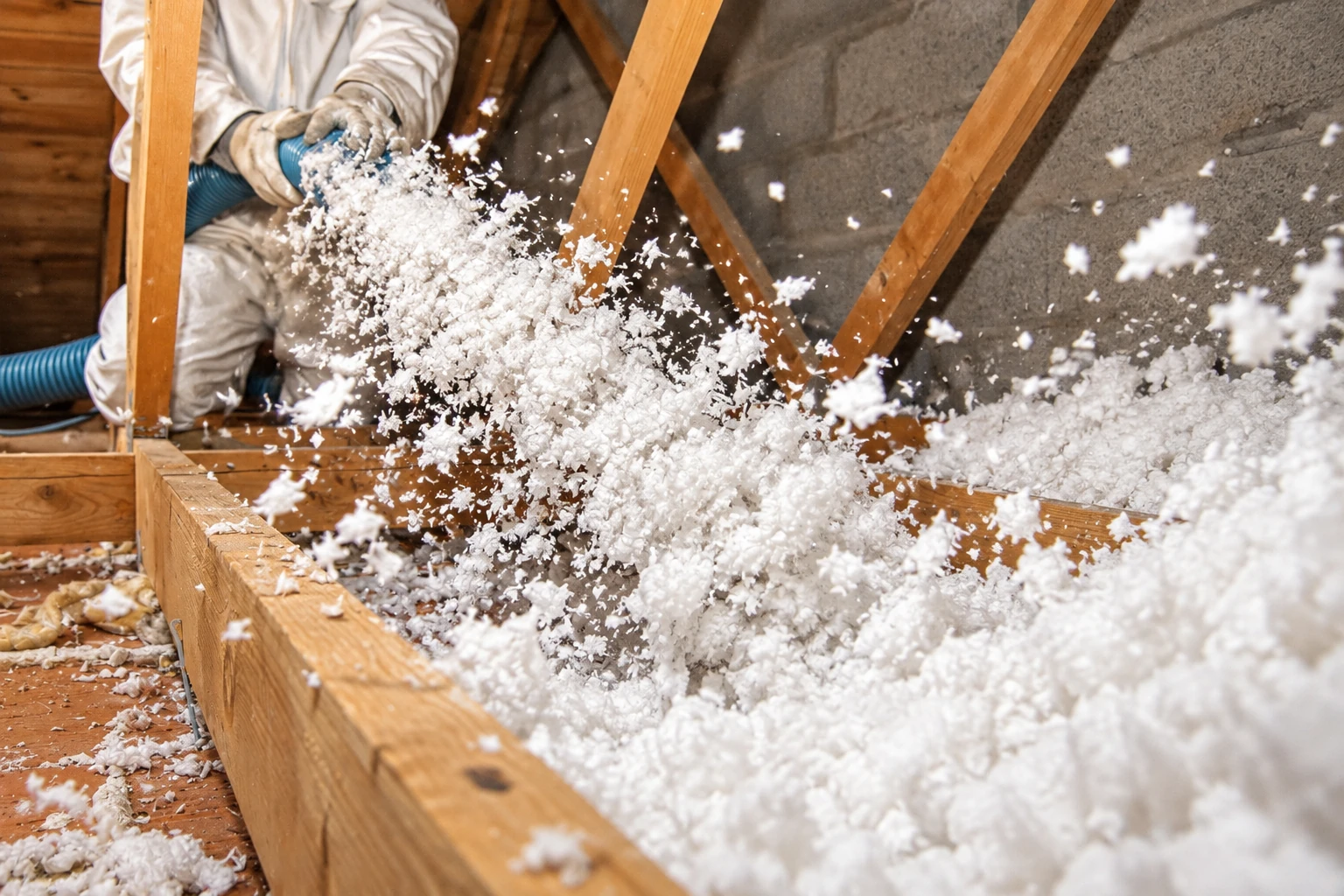
Attics with the ductwork up there
If your ducts run through the attic, foam on the underside of the roof brings them inside the sealed space, so your cool air isn't traveling through a hot attic first.
Upstairs stays hot and the power bill keeps climbing? We find where the air gets in and foam it shut, so the AC stops fighting the attic.
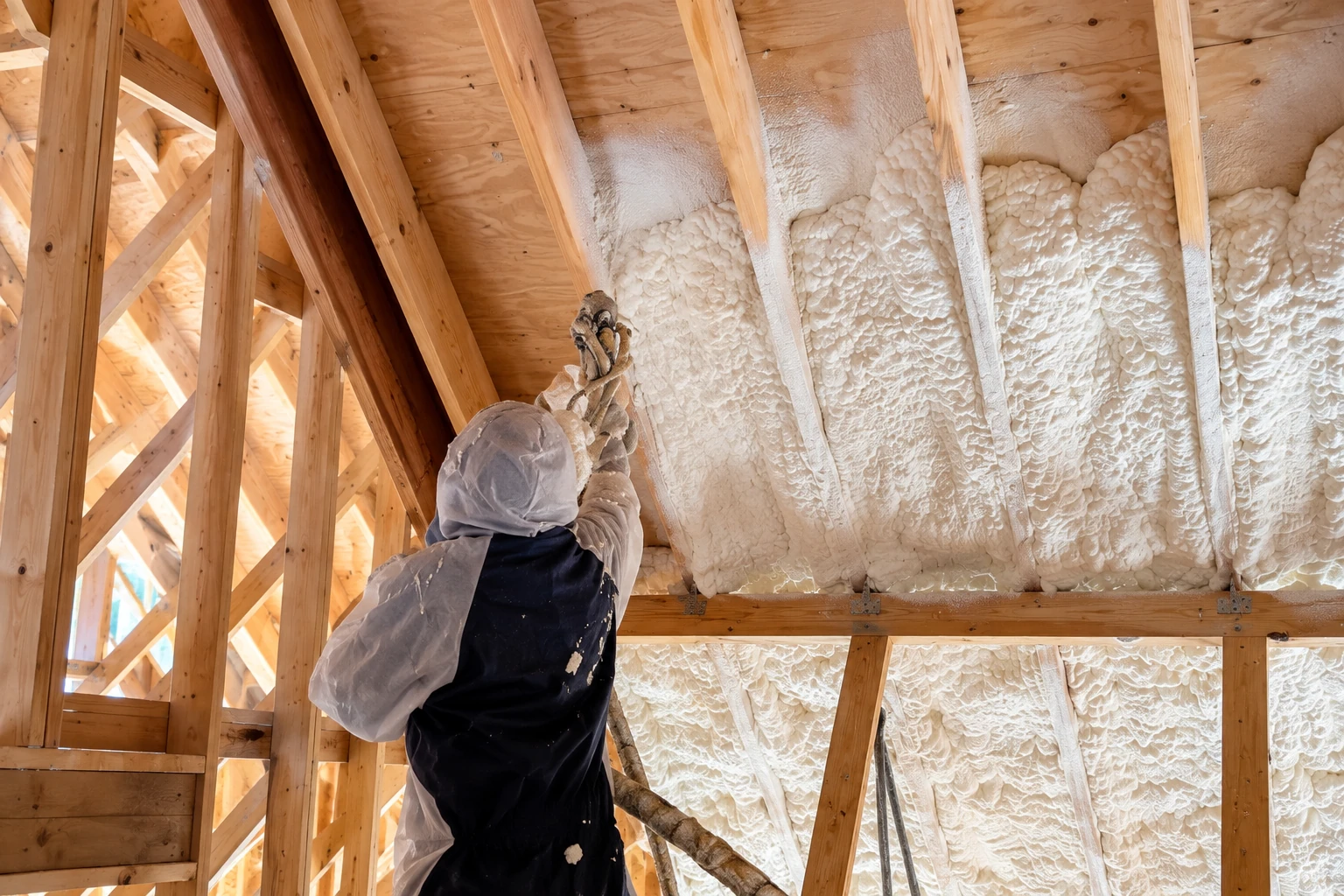
Spray foam insulation in Corona is foam we spray onto the underside of your roof, into open walls or around the room over the garage, where it expands to fill the gaps and does the insulating and the air sealing in one coat.
Most calls start with one room that stays hot no matter what the AC does, and I want to know why before anyone sells you anything, because sometimes a few sealed gaps and more loose fill do the job. The price turns on how many square feet we cover, whether it's open-cell foam or closed-cell, the denser kind that also blocks moisture, how thick it goes and whether old material has to come out first. The schedule mostly turns on finding a day when everyone at home can be out. Your estimate, written after I've been up there, puts a figure on your house, and we do this work in Corona and the cities around it, from Riverside and Jurupa Valley to Chino Hills, Pomona and Yorba Linda.
I come out, get up in your attic with a flashlight and work out why the room's uncomfortable, because the fix should match the real problem, not whatever's easiest to sell.
We're fully licensed and insured. California's licensing board has its own class for insulation contractors, covering any material that controls heat or sound, so it's a fair question for anyone you're comparing.
California requires spray foam sold here to be listed in the state's insulation directory, so ask us which product we're using and check it there yourself.
I start in your attic with a flashlight, checking how many inches are already up there, whether any of it is soaked or full of droppings and where the ductwork and can lights sit, because that tells me whether foam earns its place over a cheaper material. If it does, we pick open-cell or closed-cell for each space, and I plan the install day with you so everyone at home, pets included, is out. Our installers, with a lead installer running the job, cover what needs protecting, pull out old material that would only hide a problem and seal around pipes, wires and the hatch so drafts have nowhere left to slip through. Then they spray, trim the foam where it bulges past the framing and clean up, and before we leave I tell you what to pass on to any plumber or electrician who works near it later, which is mainly not to heat or grind it, since that can give off toxic fumes.
Foam costs more because it seals air while it insulates, and that's worth paying for when the ductwork lives in the attic. When it doesn't, sealing the gaps and topping up with blown-in insulation, loose fill blown in through a hose, usually does the job for less, and I'll tell you so. Both are part of the same attic insulation work we do, so you're not steered toward whichever material costs the most.
If your ducts run through the attic, foam on the underside of the roof brings them inside the sealed space, so your cool air isn't traveling through a hot attic first.
Closed-cell foam packs more insulating power into each inch than other materials, which matters when the rafters leave only a few inches to work with and there's no attic above.
That room runs hot upstairs and has cold floors because air moves through the floor framing around it. Foam fills those odd gaps and stops the air in the same coat.
When walls are open down to the studs, foam fills each bay tight around wires and outlets. It's the one chance to do that without tearing out drywall, so ask before they close.
Send the form or call, and we'll get back to you within one business day to set a time. I come out, look at the space and write up your estimate on site, free and with no pressure to book.
Tell us whether it's the attic, a few walls or the room over the garage, plus a rough square footage if you have it, so I know where to start looking.
Older houses often have layers of old insulation and wiring that needs a look before anything goes over it, so the year your house was built helps me plan the visit.
If someone at home has asthma, allergies or has reacted to foam before, tell us up front so we can talk through the product before anything gets scheduled.
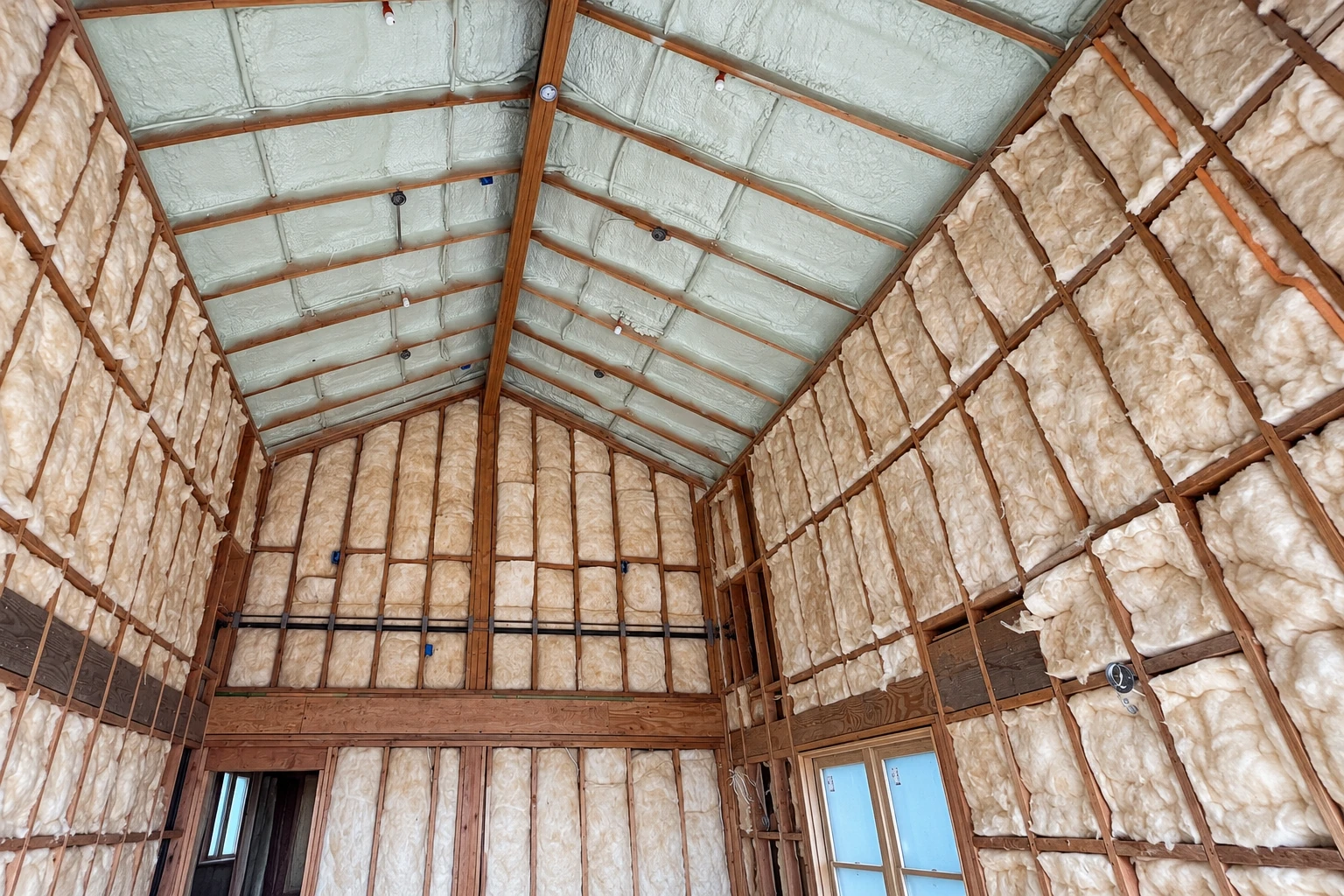
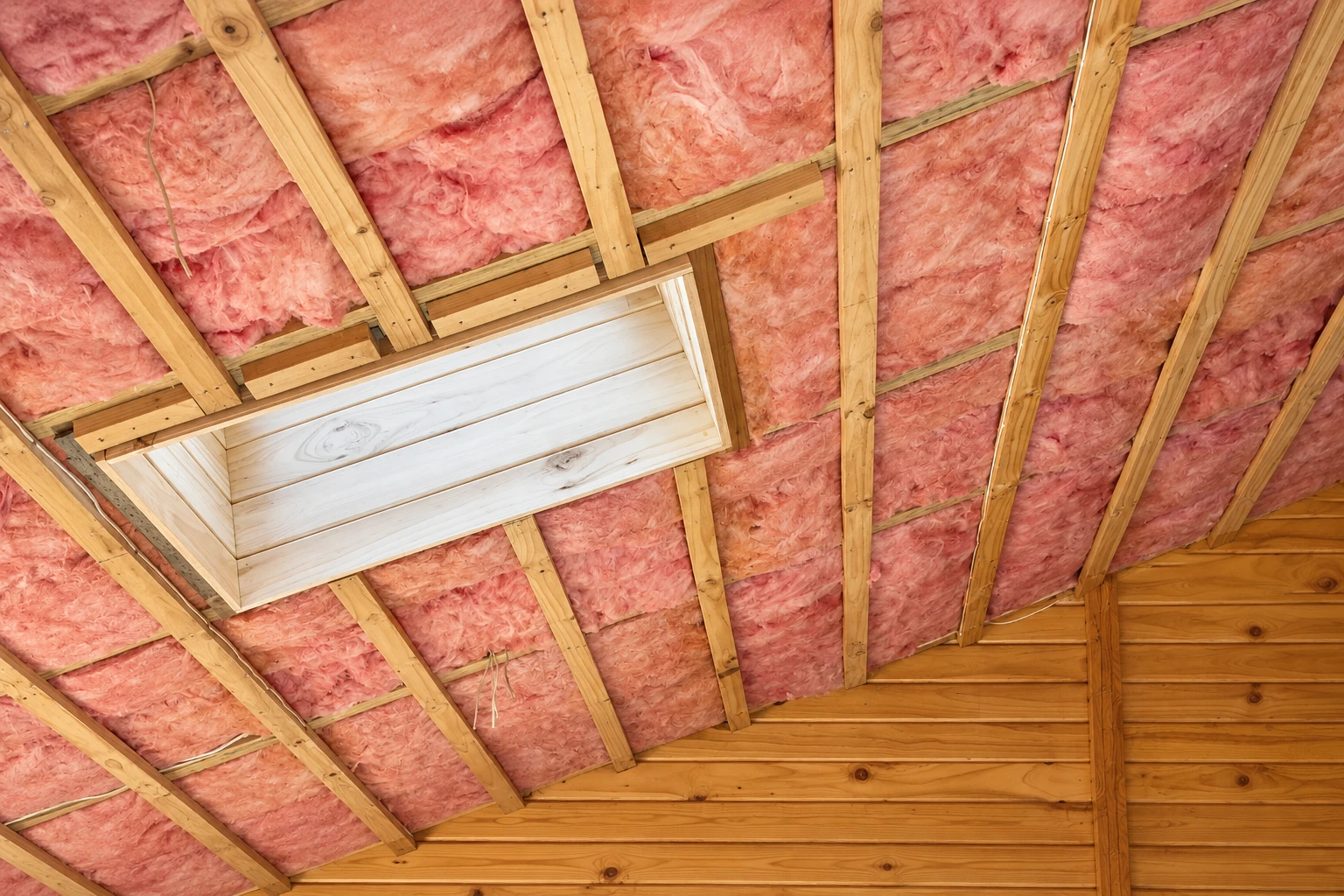
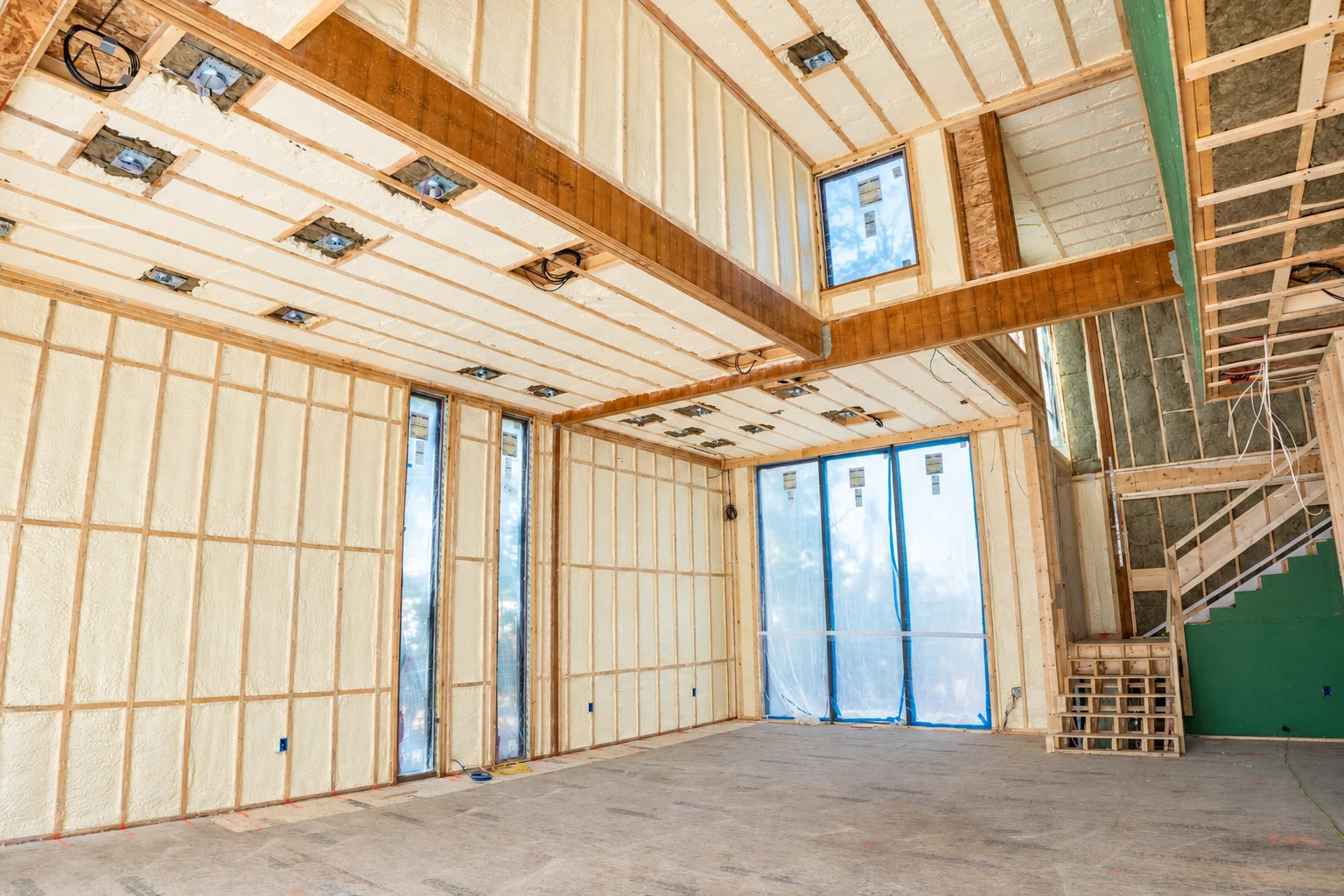
These photos show open-cell and closed-cell foam in attics, rafters and wall bays, so you can point to what you have in mind.
Plain answers on foam type, moving out for the day, price and the paperwork you should get once the job is done.
Open-cell blocks air but still lets water vapor pass, while closed-cell at normal thickness holds vapor back. That matters most in walls, because a frame wall filled with closed-cell can't dry well to the outside. I look at each space and pick the foam that fits it, so one house can end up with both.
Plan on being out during the install and for at least 24 hours after, which is what federal consumer safety staff advise. Line up somewhere for everyone to stay, pets included. They also advise anyone with asthma, respiratory allergies, a skin condition or an earlier reaction to isocyanates, the chemicals foam is made from, to read the product information first, and another material may suit your house better.
In nearby Riverside, spray foam insulation usually costs about $2 to $5 per square foot. Closed-cell foam and thicker coats sit toward the top of that range, and a space that needs old material pulled out first adds to it. That's what the market charges, not our price, so your own figure comes from the estimate once I've seen the space.
You should get a written statement from the contractor certifying that the added insulation meets the state's rules. California's Energy Code requires it whenever insulation goes into an existing attic, and we hand it over when the job's done. Keep it with your house papers, since a buyer or the next contractor may ask to see it.
The foam industry's trade group recommends covering it whenever it's inside a building. It names approved thermal, ignition or alternative barriers, coverings that keep heat and flame off the foam, added as soon as possible after the install. What your space needs depends on where the foam goes and how you use the room, so I'll go over it with you at the estimate.
Call (951) 393-1170, we pick up until 11 PM on weeknights, or send the form and tell us which room bothers you most.