The hot bedroom upstairs
A room that stays warm no matter what the AC does usually sits under thin coverage or an open gap. We look right above that room first, because that's where the clue is.
Hot upstairs, cold floors or a power bill that climbs every summer? We find where your house loses heat and fix that first.
Home insulation is the work of adding insulating material to your attic, floors and crawl space so the house holds its temperature and stays quieter, and at Truetemp Corona Spray Foam Insulation we pair it with sealing the air gaps in Corona homes.
Most calls start with one room, like the bedroom that stays hot no matter what the AC does, the room over the garage or floors that never warm up in winter. The price moves with how many inches are already up there and what shape they're in, whether old material has to come out first, how much sealing the attic needs and how easy it is to get into. The schedule mostly turns on whether removal or a repair has to happen before anything new goes in, and I come out to look and write up an estimate with your own figures.
I do the looking and write up the estimate, flashlight in hand, because a stubborn hot room usually has a reason you can only find in the attic, and guessing costs you money.
I won't promise you a figure on your power bill. I'll show you where the house loses the most, so you can decide what's worth fixing and what can wait.
When the job's done, I walk you through it in plain words, so you could explain it to the next person who works on your house without calling us.
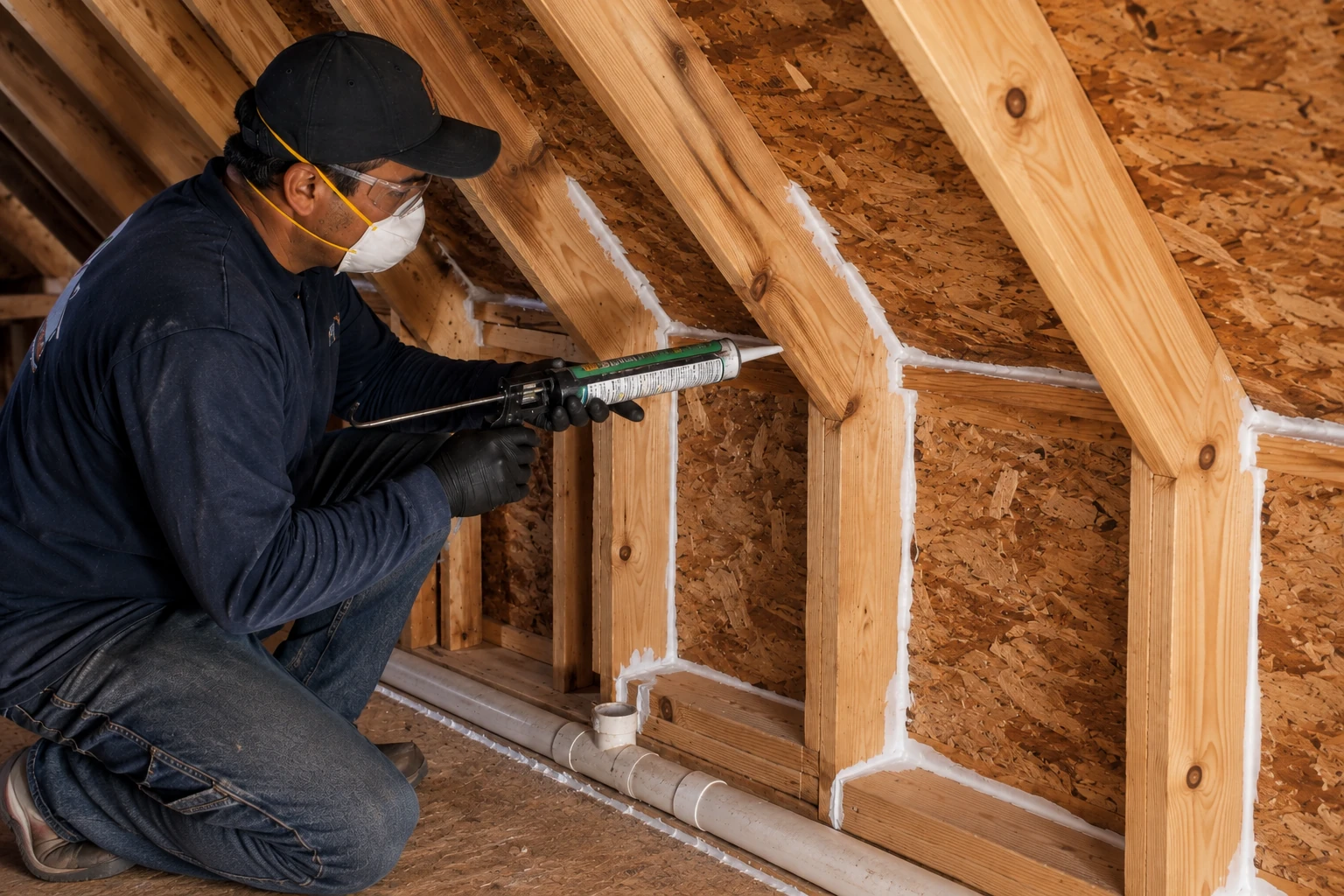
I start in the attic with a flashlight, checking how many inches are already up there, whether any of it is soaked or full of droppings, and where the air sneaks in. Gaps around can lights, pipes and the attic hatch get closed first, which is air sealing, the step that keeps new insulation from fighting a draft all day. Then our installers, with a lead installer running the job, keep the eave vents clear so the attic can still breathe, and lay the new material at full depth out to the edges, since that's where most attics run thin. Insulation and sealing together do more than either one by itself, so we don't sell you one without looking at the other.
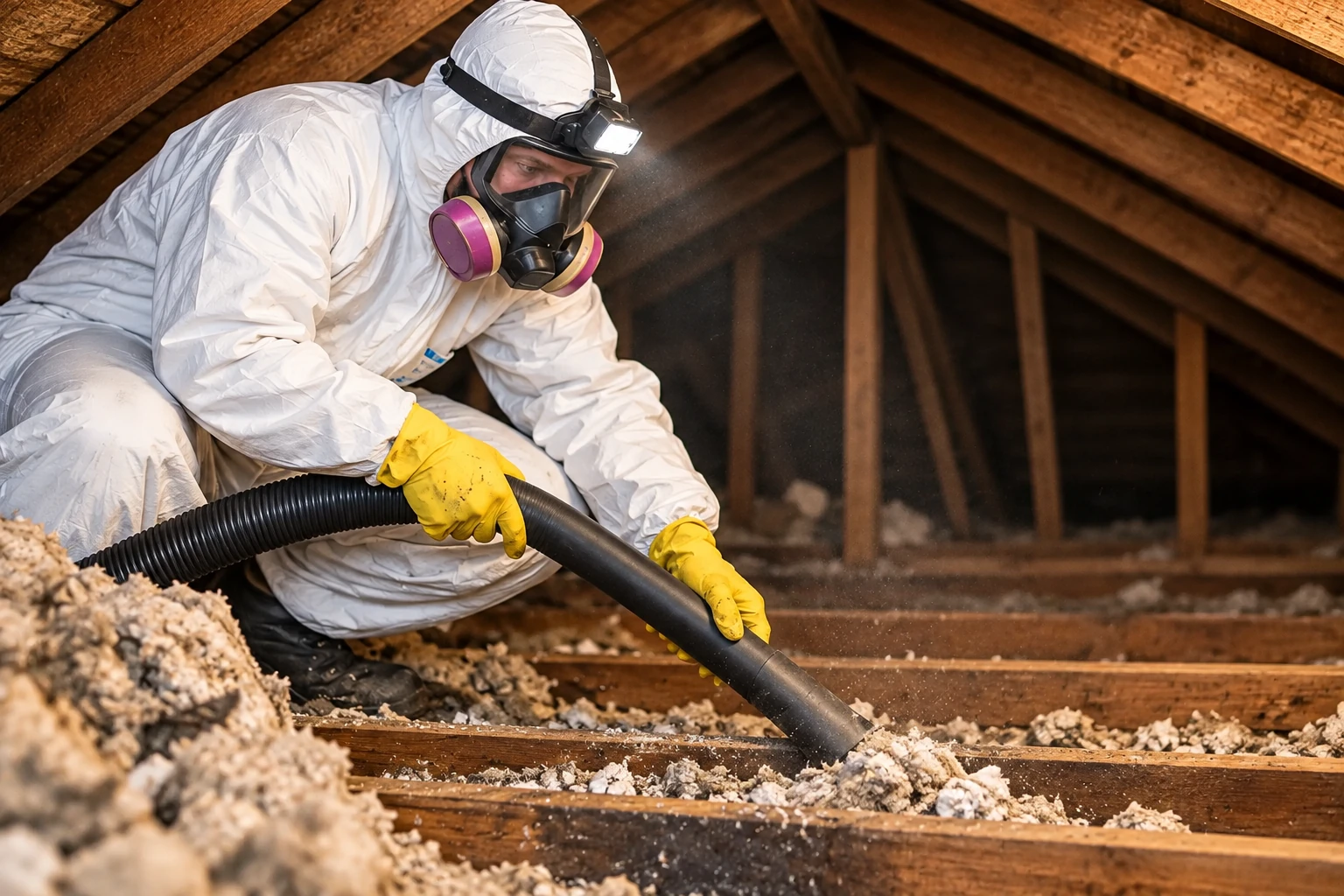
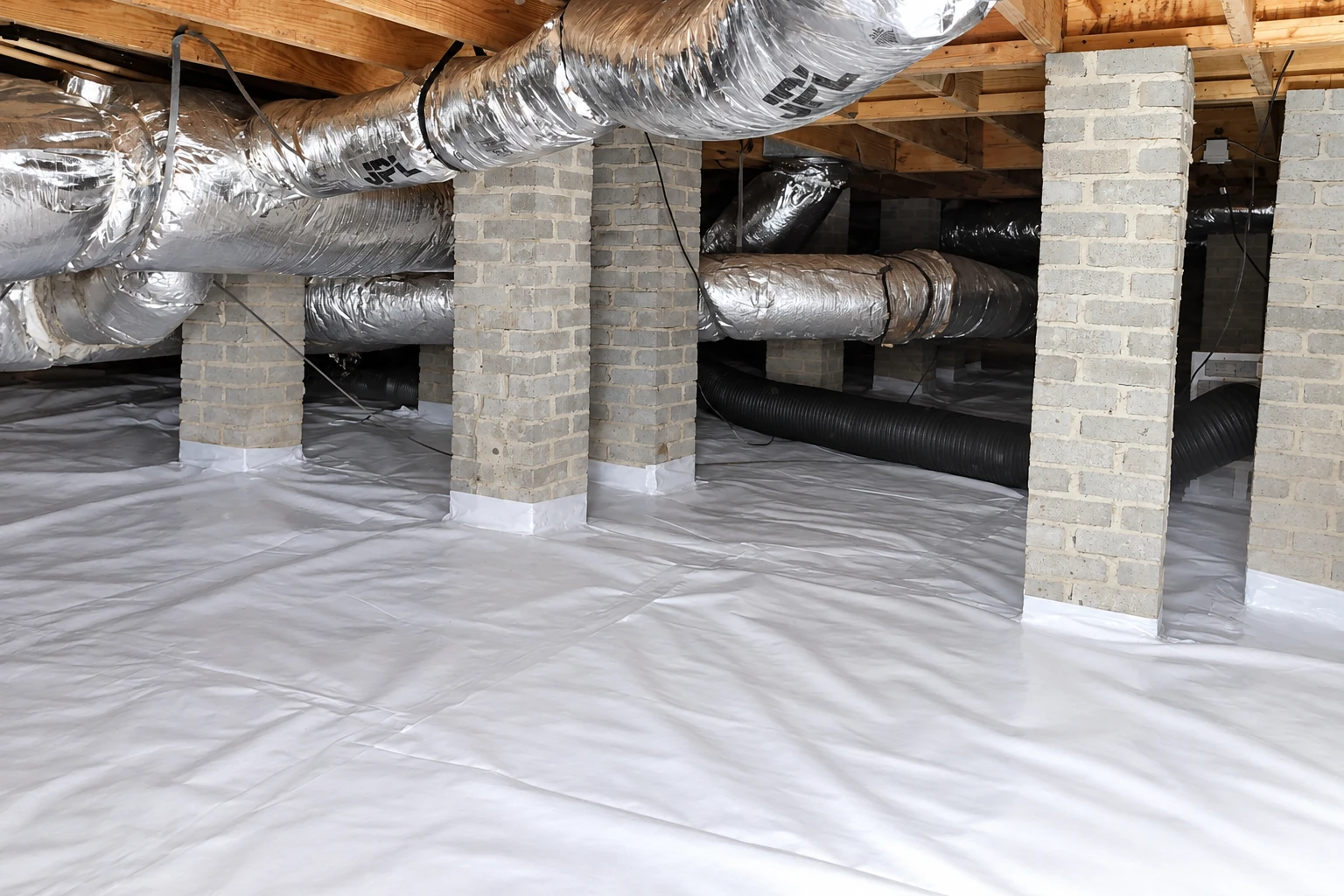
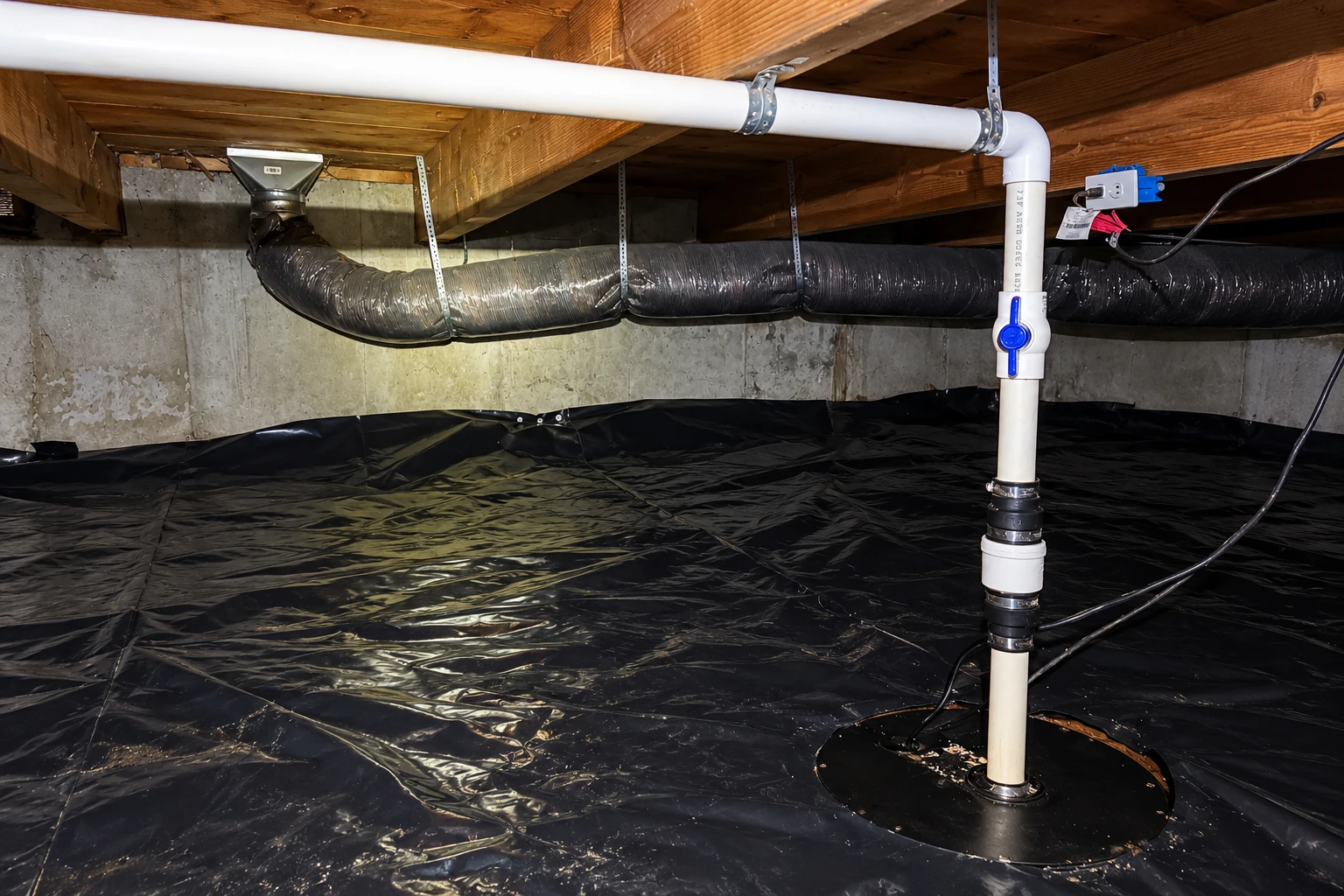
Some houses need more than a top-up. When the old material is wet, moldy or full of droppings, insulation removal comes first, because fresh insulation over a bad layer just buries the problem. If the cold is coming up through the floors, crawl space insulation is usually the fix, not another layer in the attic.
A room that stays warm no matter what the AC does usually sits under thin coverage or an open gap. We look right above that room first, because that's where the clue is.
Those rooms have outside air on more sides than the rest of the house, so the floor and the ceiling both matter. We check both before deciding where insulation goes.
Drafts you feel at outlets, the hatch or the ceiling usually trace back to gaps in the attic floor. Sealing them is often the smaller fix, and it's the one most houses need first.
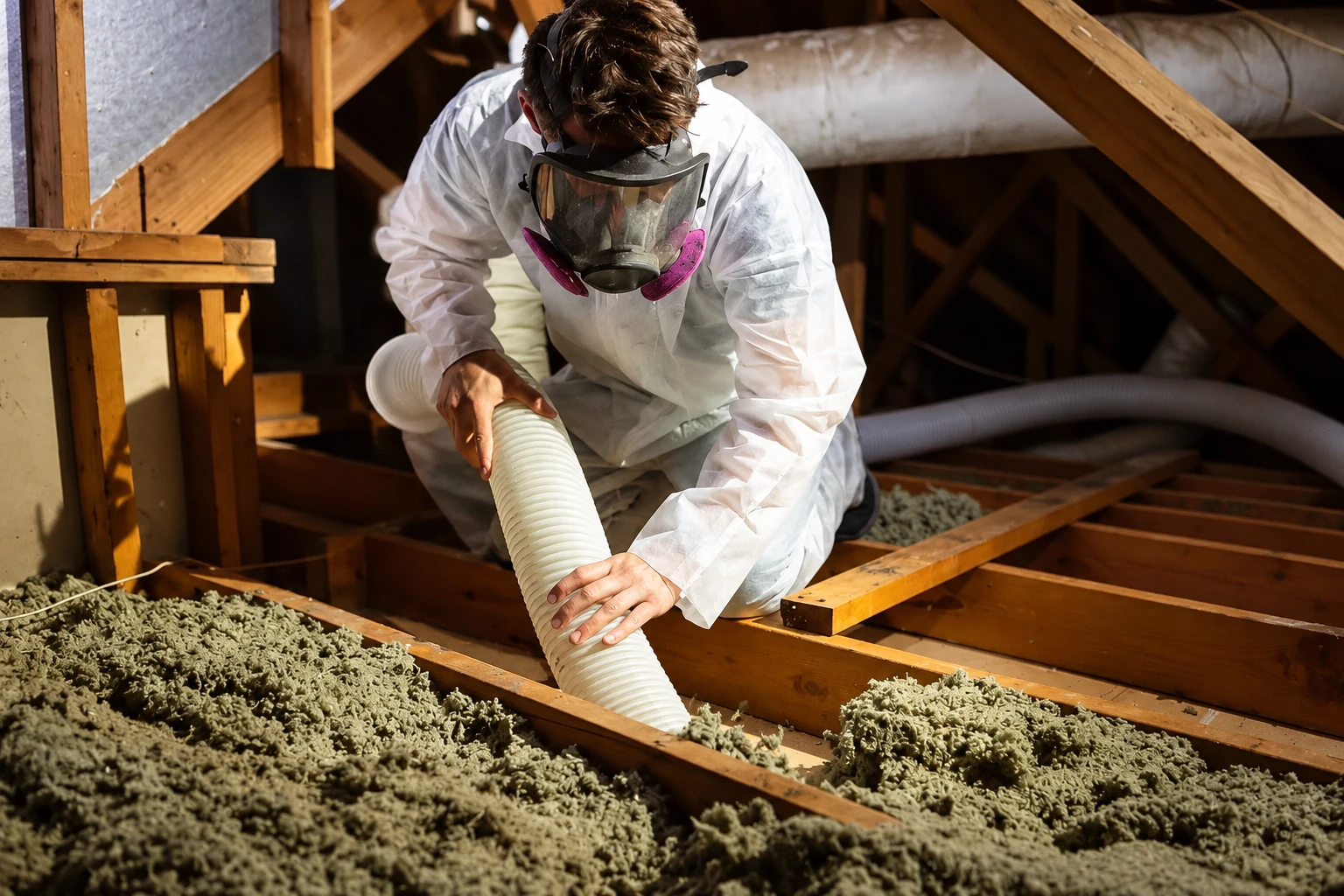
Foam costs more but seals air while it insulates. Most houses do fine with sealing and a blown-in top-up, loose fill blown through a hose, but attic ductwork usually tips it to foam.
Send the form and we'll reply within one business day to set a time. I come out, look at the attic and write up a free estimate, with no pressure to book.
The year it was built tells me what kind of insulation and wiring to expect up there, so I show up ready to check the right things instead of guessing.
A hatch in a closet, a pull-down ladder or no easy way in at all changes how we plan the job, so tell me where the access is when you write.
Damp spots on the ceiling, old flaky gray insulation or gas appliances in the house are worth mentioning up front, because those get checked before we talk about adding anything.
These photos show blown-in fill, foam and sealed attic floors you can point to when we talk about what fits your house.
Straight answers on cost, savings, old attic problems and licensing, the things most Corona homeowners ask before they book insulation work.
Insulation work of any kind in the Riverside area usually costs about $1,500 to $5,000 per job, and that range covers everything from attics to crawl spaces, not one kind of job. Where your house lands depends on what's already up there, whether old material comes out and how hard the attic is to reach. Your own figure comes with the estimate.
Some households can, through the Energy Savings Assistance program, which provides no-cost weatherization services, attic insulation included, to people who meet the CARE or FERA income limits. If your household might meet those limits, check with the program before you pay anyone for the work, us included.
On average, adding insulation and sealing air leaks can save up to 15% on heating and cooling costs, according to the Department of Energy's homeowner guide. That figure counts both steps together, so insulation alone shouldn't be expected to get there. I still won't promise your bill drops by a set amount, because every house leaks in different places.
Damp insulation, moldy rafters, poor ventilation, moist air venting into the attic and old knob and tube wiring all get fixed first, as ENERGY STAR advises. If you have gas appliances, ENERGY STAR also suggests having a Home Performance Contractor test them before and after sealing, since a tighter house can sometimes pull combustion gases back inside.
Leave it alone until an approved lab tests it, because vermiculite may contain asbestos and ENERGY STAR advises keeping it undisturbed until then. It looks like light, pea-size, flaky gray pebbles, different from fluffy fiberglass. If I spot it during the estimate, I'll point it out and tell you testing comes before anything else.
California's C-2 Insulation and Acoustical Contractor classification covers contractors who install any insulating material for temperature or sound control. It's a fair question to ask anyone you're thinking of hiring, along with whether they carry insurance. We're fully licensed and insured, and I'm happy to answer either question when I come out.
We answer until 11 PM on weeknights and 10 PM on weekends, so you can call after the kids are in bed.