Spray foam insulation
Makes sense when ducts run through the attic or the room over the garage won't cool, since foam seals and insulates in one pass. It costs more, so I'll say when it isn't worth it.
Truetemp Corona Spray Foam Insulation seals and insulates attics, walls and crawl spaces in Riverside, CA. We find out why a room runs hot or drafty, then fix that, with blown-in, spray foam or air sealing.
We're an insulation contractor based in Corona, CA, and Riverside is just up the road, so we work here along with Jurupa Valley next door and Pomona out west. The houses run the range, from older single-story homes with low, cramped attics that were insulated once and left alone, to newer two-story houses where it's hot upstairs no matter what the AC does.
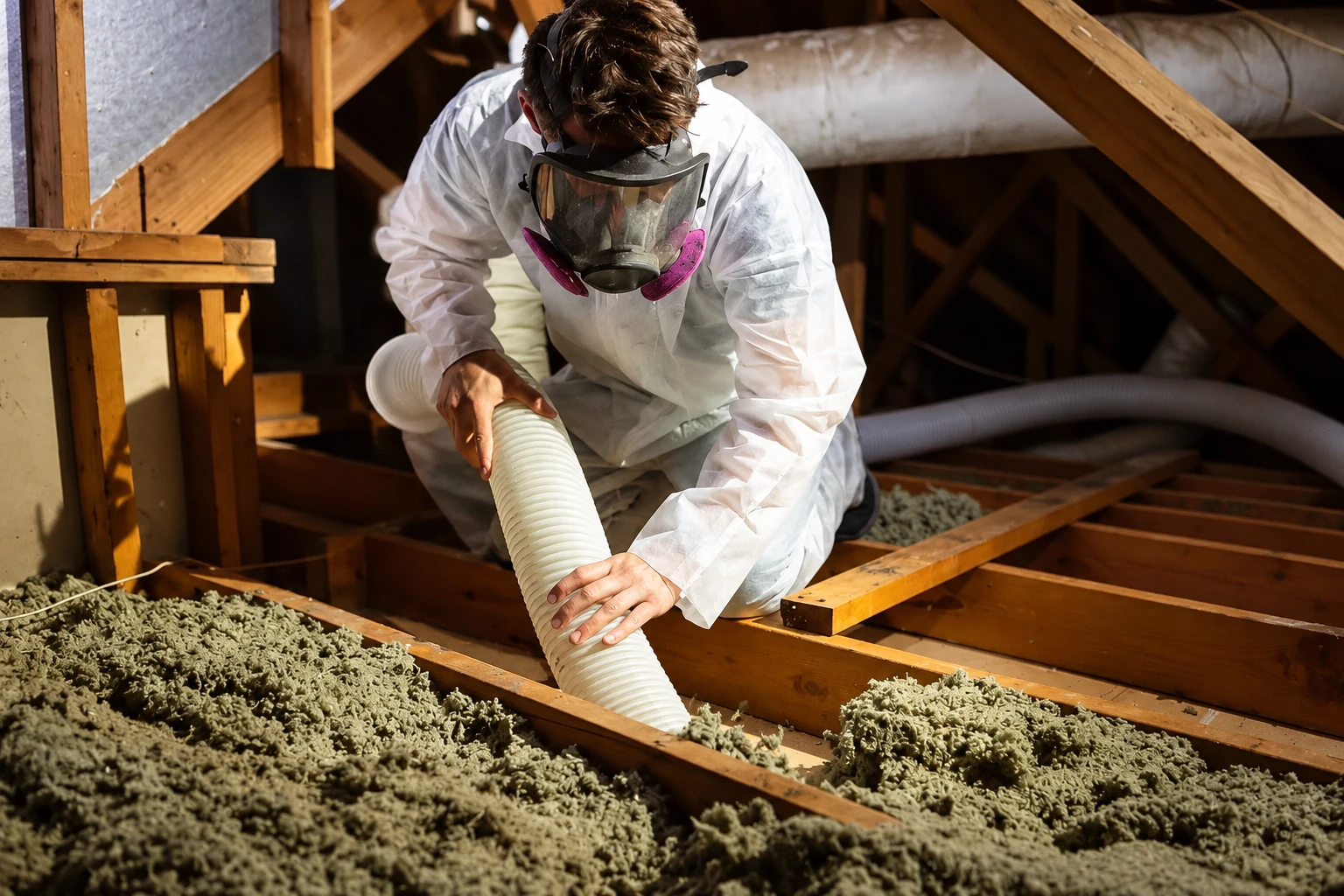
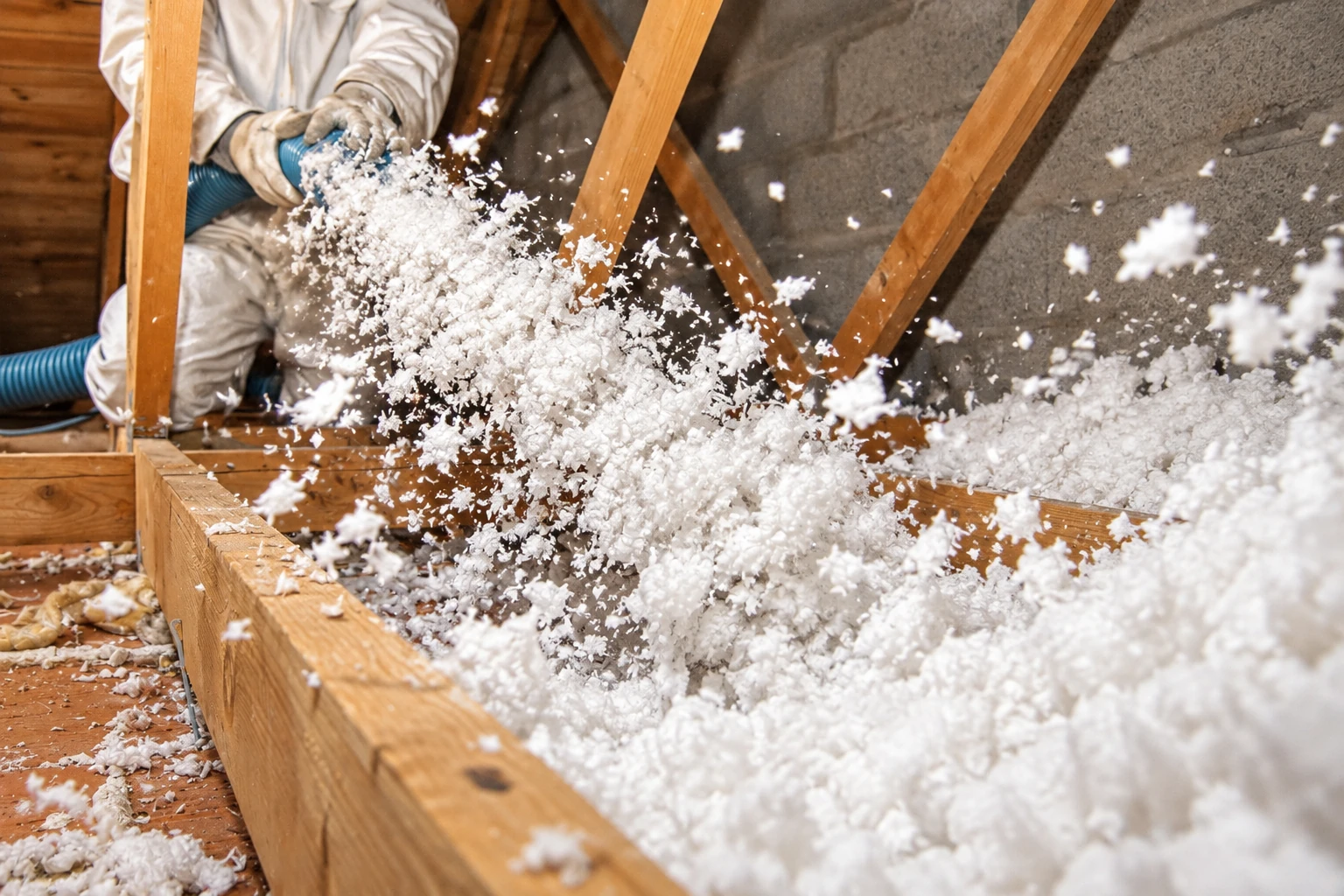
What moves the price is mostly what I find up there: how many inches are already down, whether they're clean or have to come out, how many gaps need sealing first, and whether you need foam or a top-up of blown-in, which is loose fill blown through a hose. The schedule turns on the same things, plus a permit check with the city, and the estimate I write up after looking gives you your own number. Foam costs more and seals air as it insulates, but sealing the gaps and topping up loose fill usually wins, unless your ductwork runs through the attic. In the older houses that usually means a lot of crawling and sealing around wiring, and in the two-story ones it's the room over the garage and the ducts I check first.
I do the estimate myself, with a flashlight in your attic, because the hot room isn't always where the problem starts. Our installers do the work, with a lead installer running each job.
If what's up there got soaked or is full of droppings, new material on top just buries the problem. We'd rather pull it out than cover it up and call it done.
Attics are often deep in the middle and thin at the eaves, which is backward. We fill the edges properly and keep the eave vents clear so the attic can still breathe.
Makes sense when ducts run through the attic or the room over the garage won't cool, since foam seals and insulates in one pass. It costs more, so I'll say when it isn't worth it.
We measure the inches already up there, seal the gaps around lights, pipes and the hatch, then bring the whole attic to an even depth, the edges included.
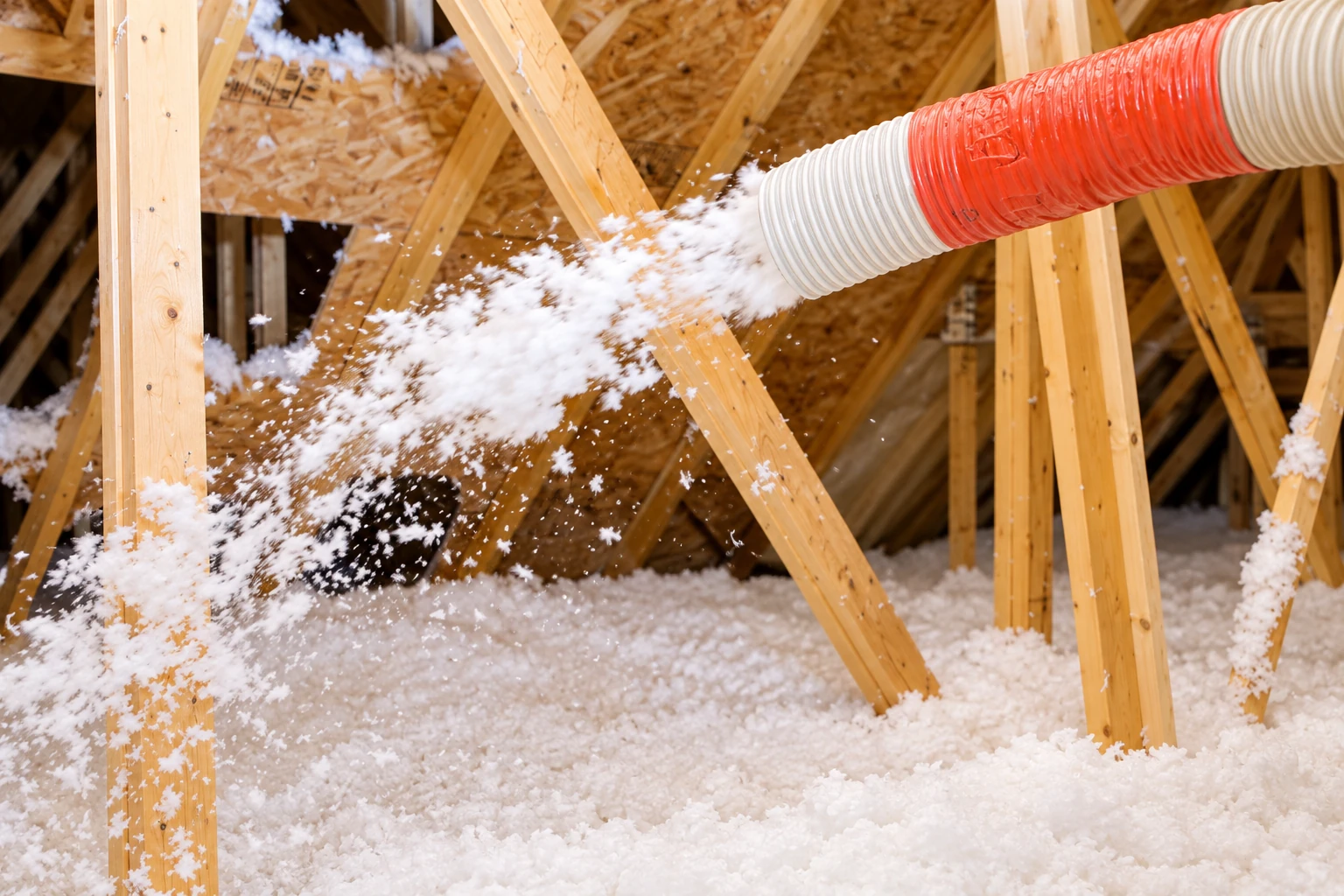
The usual way to top up an older attic, because loose fill settles in around wires and framing better than batts do in a low, cramped space.
When the whole house feels uneven, I look at the attic, walls and floors together before suggesting anything, so you're not paying to fix a spot that wasn't the cause.
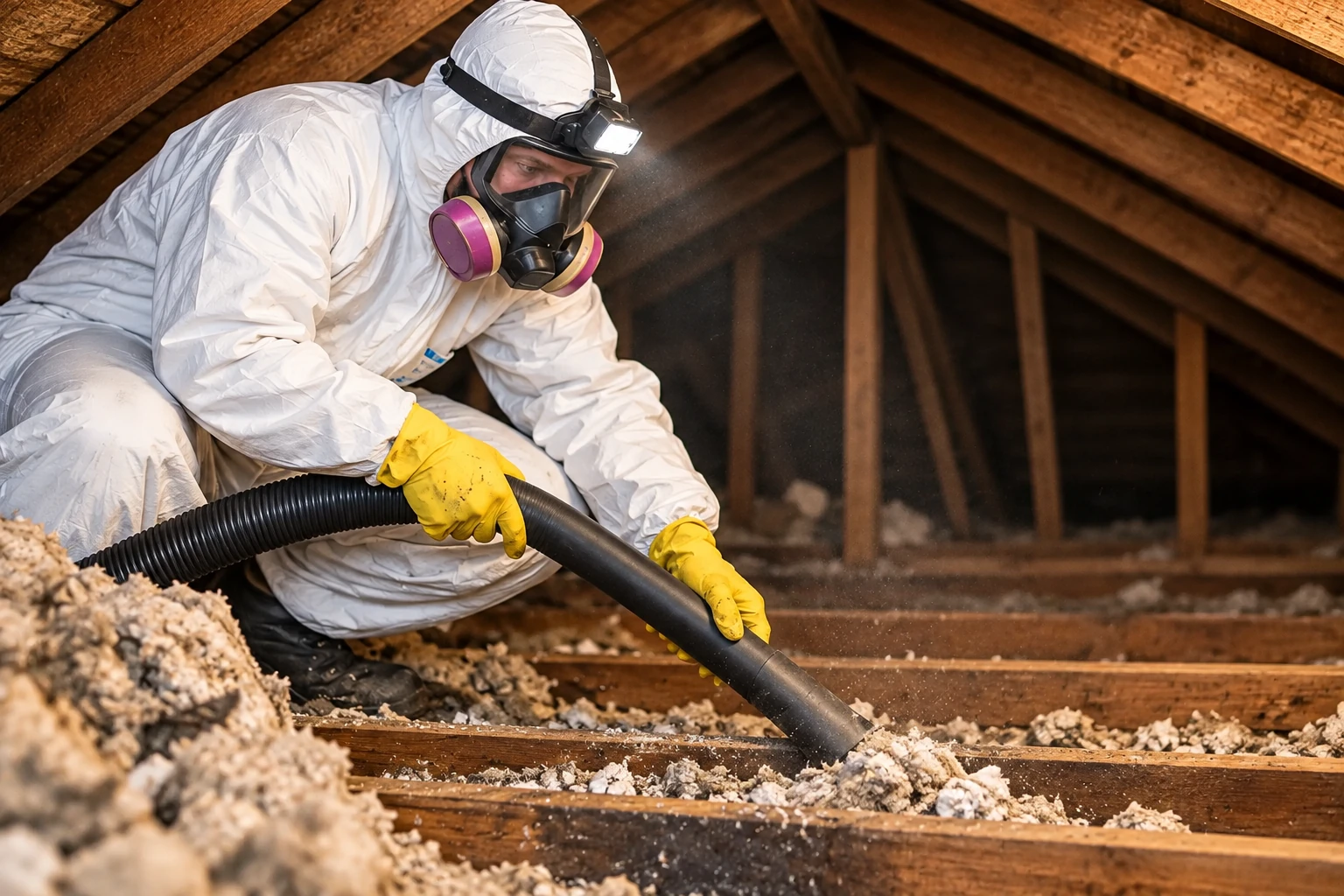
Old insulation that got wet or holds droppings comes out before anything new goes in. We bag it, clean out the attic and seal it up before the fresh material goes down.
For cold floors over a crawl space, we insulate under the floor and check for moisture first, because insulation in a damp crawl space just holds the damp.
Exterior walls in older houses can be empty or thin. We fill them through small holes and patch them afterward, so nobody has to tear out drywall.
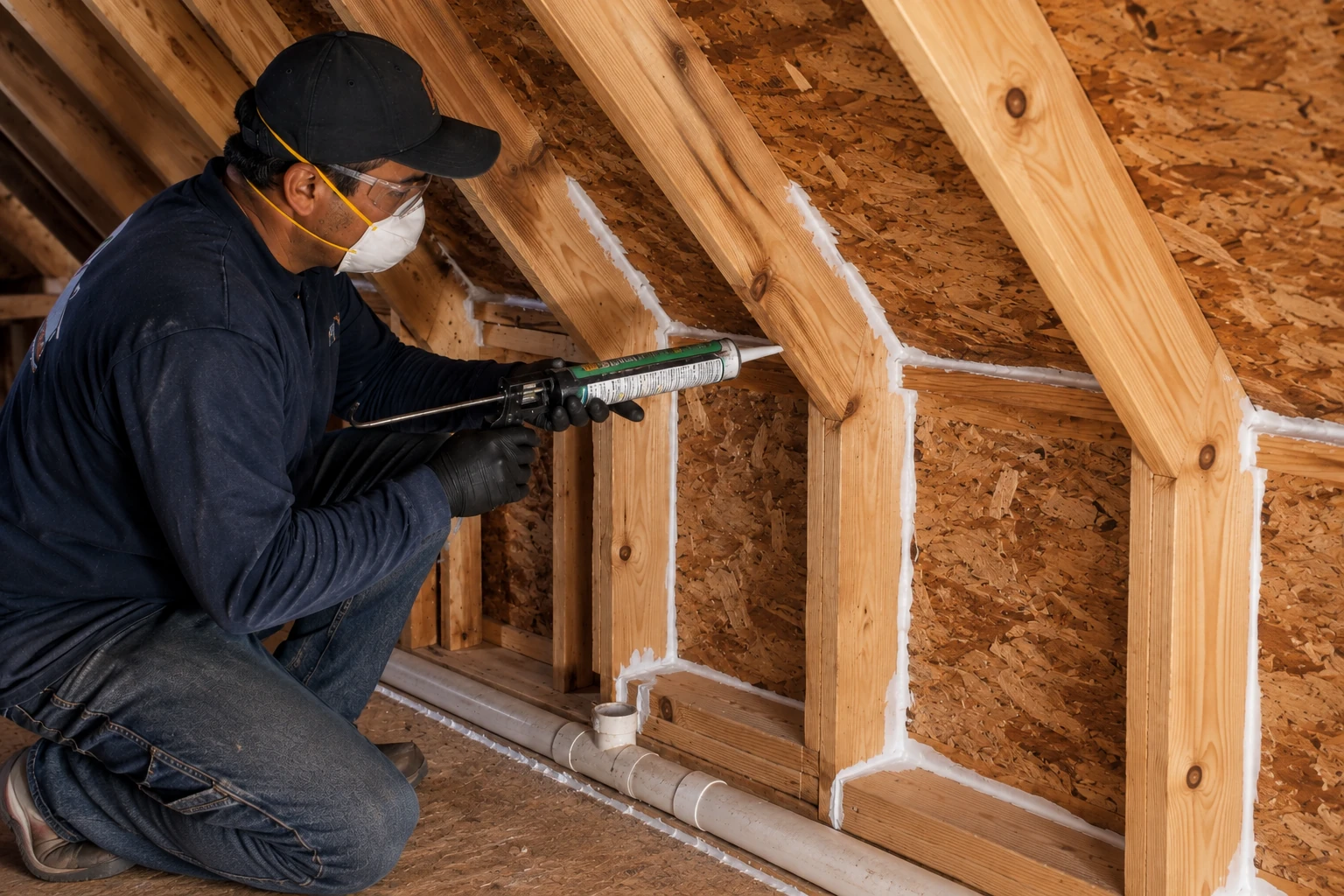
We close the gaps where your cooled air slips out, around can lights, pipes, wiring and the attic hatch, so new insulation isn't fighting a draft.
Basements are rare around here, so when we find one we check the walls for moisture first, then pick a material that won't trap damp against the concrete.
Dense foam that blocks moisture as well as heat, so we use it on rim joists, crawl space walls and anywhere damp is part of the problem.
Softer, lighter foam that seals air and fills odd cavities well. It suits the roofline of an attic with ductwork, and it costs less than the dense kind.
For landlords and small building owners, we insulate and air seal rental units, offices and small commercial spaces, and plan the work around your tenants.
Heavy plastic laid over the dirt keeps ground moisture out of the crawl space, which protects the framing and keeps the floor insulation above it dry.
We put vapor barriers where the house needs them and leave them out where they'd trap moisture, because one on the wrong side of a wall causes more trouble than none.
Before any insulation goes in, we seal the top of the walls, the can lights, the gaps around flues and the hatch, which is where attic drafts usually start.
For houses insulated once and never again, we add to what's there without opening walls or ceilings when we can, and fix the gaps the first crew left.
Send the form and we'll reply within one business day to set a time. I come out, look over the attic and the rooms that bother you, and write up a free estimate, with no pressure to book.
The hot bedroom, the cold floor and the high power bill each point me somewhere different, so a line about yours helps me bring the right questions.
We're fully licensed and insured, which matters when people are working in your attic, up on ladders and around your wiring.
That's our promise. I'd also like you to understand what we did well enough to explain it to the next person who works on your house.
Here's what Riverside homeowners usually ask before we start, about permits, who can work in the city and when you can be home.
It may need one, and the city's Building & Safety Division is the office to ask. Riverside requires permits for most work that builds, alters or repairs a structure, and its exempt list names finish work like painting and carpeting, not insulation. We check with the city for every job, and if a permit's needed, we handle the application and meet the inspector.
The city can issue many permits to the property owner, the owner's authorized agent or a properly licensed contractor. Most applications also need a sign-off from the Planning Division before Building & Safety reviews them, and a residential permit lapses if work doesn't start within 12 months, so we apply once your job is ready to schedule.
It may. Riverside requires a City Business License for any business doing business in the city, and an older city finance page says businesses outside the city limits may also need one. The city's Business License Division answers questions about it, so check the current rule with them, and feel free to ask any contractor you're considering.
Usually not for blown-in or air sealing work, since the crew stays up in the attic and you can go about your day. Spray foam is different, because the foam maker sets a re-entry time, the wait before people and pets come back inside, and we follow it. I'll tell you at the estimate which one your job needs.
Riverside is one of the cities we work in from our base in Corona. Here are others with their own page, and if your city isn't listed, call and ask.
Call (951) 393-1170 or use the form to talk through your project and its permit steps before anyone climbs a ladder.