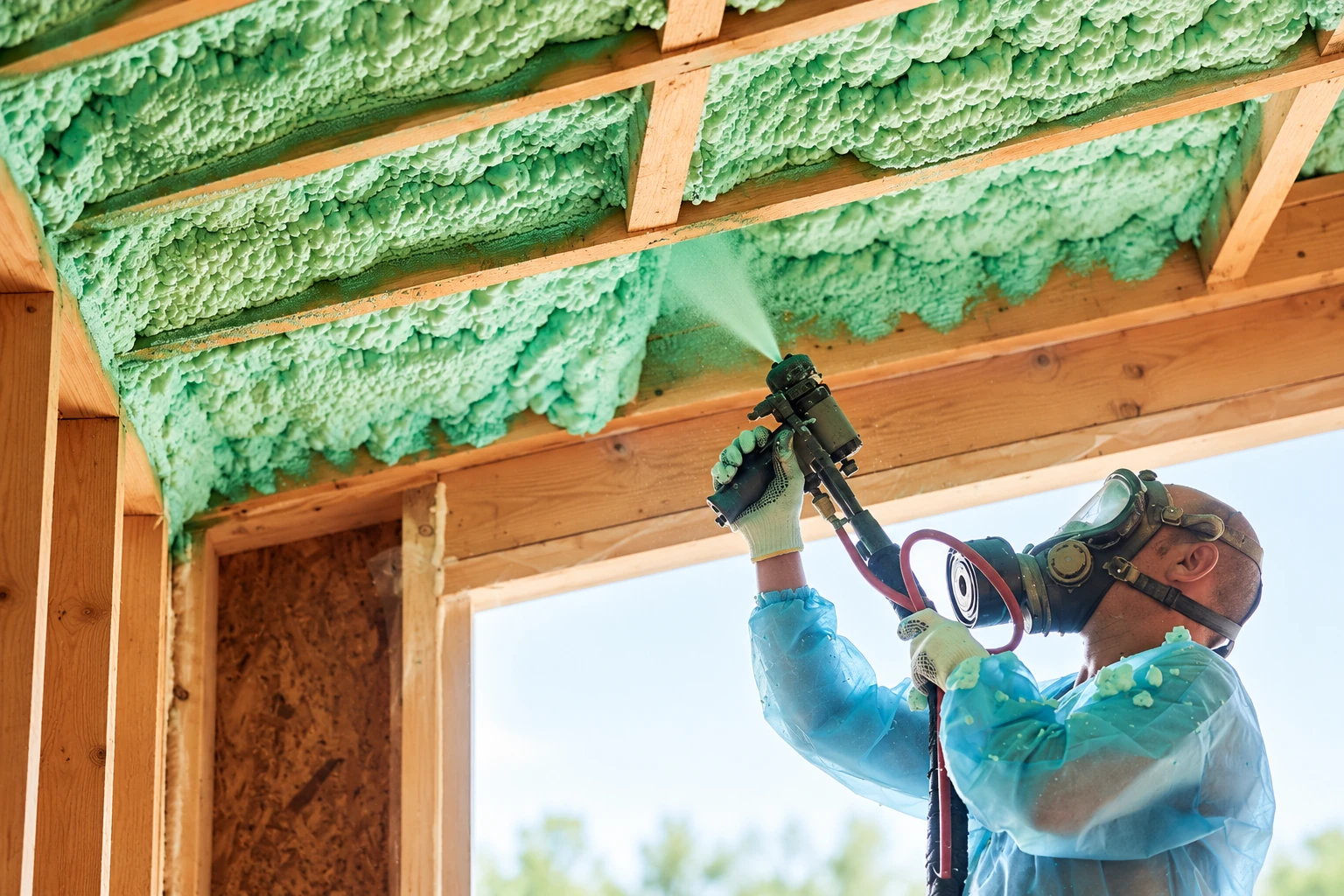
Spray foam insulation
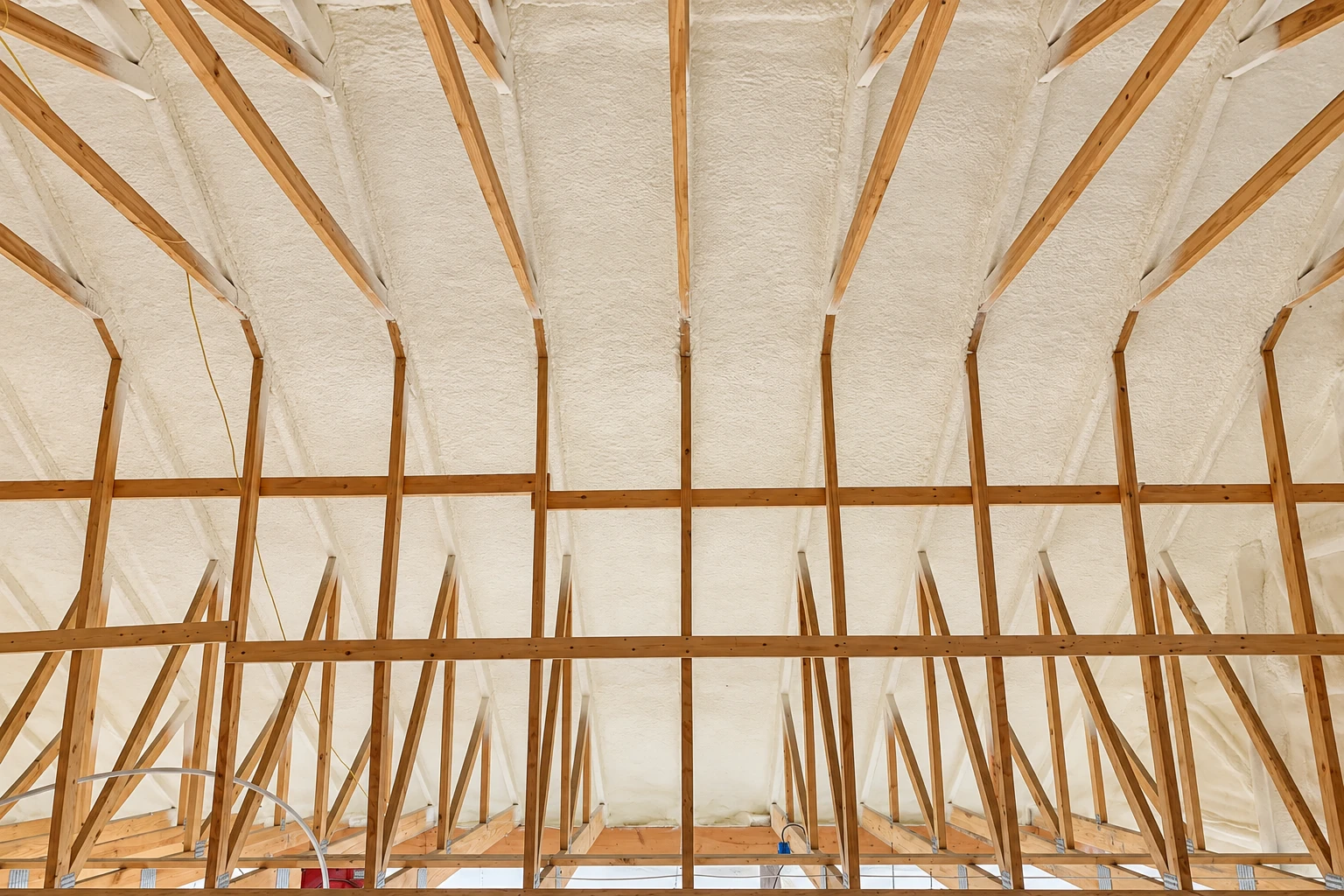
We spray foam on the underside of the roof or into tight spaces where loose fill won't stay put, like sloped ceilings and cramped corners near the roof.
Truetemp Corona Spray Foam Insulation insulates and air seals Yorba Linda homes, from attics and walls to crawl spaces. We find out why a room won't stay comfortable, then fix that cause instead of selling the biggest job.
We're based in Corona, and Yorba Linda is one of the cities around it where the calls sound a lot like the ones we get from Chino Hills and Chino. An upstairs bedroom stays hot after the AC has run all afternoon. A room over the garage is one nobody wants to sleep in. The power bill keeps climbing and nobody can say why. Usually the answer is up in the attic, so that's where I start with a flashlight, checking how many inches are already there, whether the old stuff is clean and dry, and which way the air is moving.
The price moves with the size of the attic, whether old material has to come out first, how many gaps need sealing and whether foam makes more sense than loose fill. The schedule turns mostly on removal and on whether the city's Building Division wants a permit, and the estimate I write after my visit gives you your own figure. A room over the garage changes the job more than most, because it has open air on more than one side and usually needs its floor and walls looked at, not just the attic above it.
Insulation slows heat but does little against moving air, so we close the leaks first. Skip that and the new insulation spends its life fighting a draft.
Foam costs more because it seals air while it insulates. Sealing the gaps and topping up loose fill usually wins, so I suggest foam mostly when your ductwork runs through the attic.
We keep insulation back from the vents along the eaves, because a buried vent stops the attic from breathing and the moisture shows up later in the framing.
We spray foam on the underside of the roof or into tight spaces where loose fill won't stay put, like sloped ceilings and cramped corners near the roof.
We measure the inches already in your attic and bring the whole floor up evenly, keeping the edges as deep as the middle, since thin edges are where heat usually sneaks in.
Blown-in insulation, loose fill sent through a hose, settles into corners and around framing that batts skip, which makes it our usual pick for topping up an attic that's partly covered.
When several rooms feel off, we look at the whole house, from the attic and walls to the floors, and start with whichever spot is causing most of the trouble.
We bag and haul out old material that's been soaked, packed flat or fouled by rodents, so the attic is clean and dry before anything new goes in.
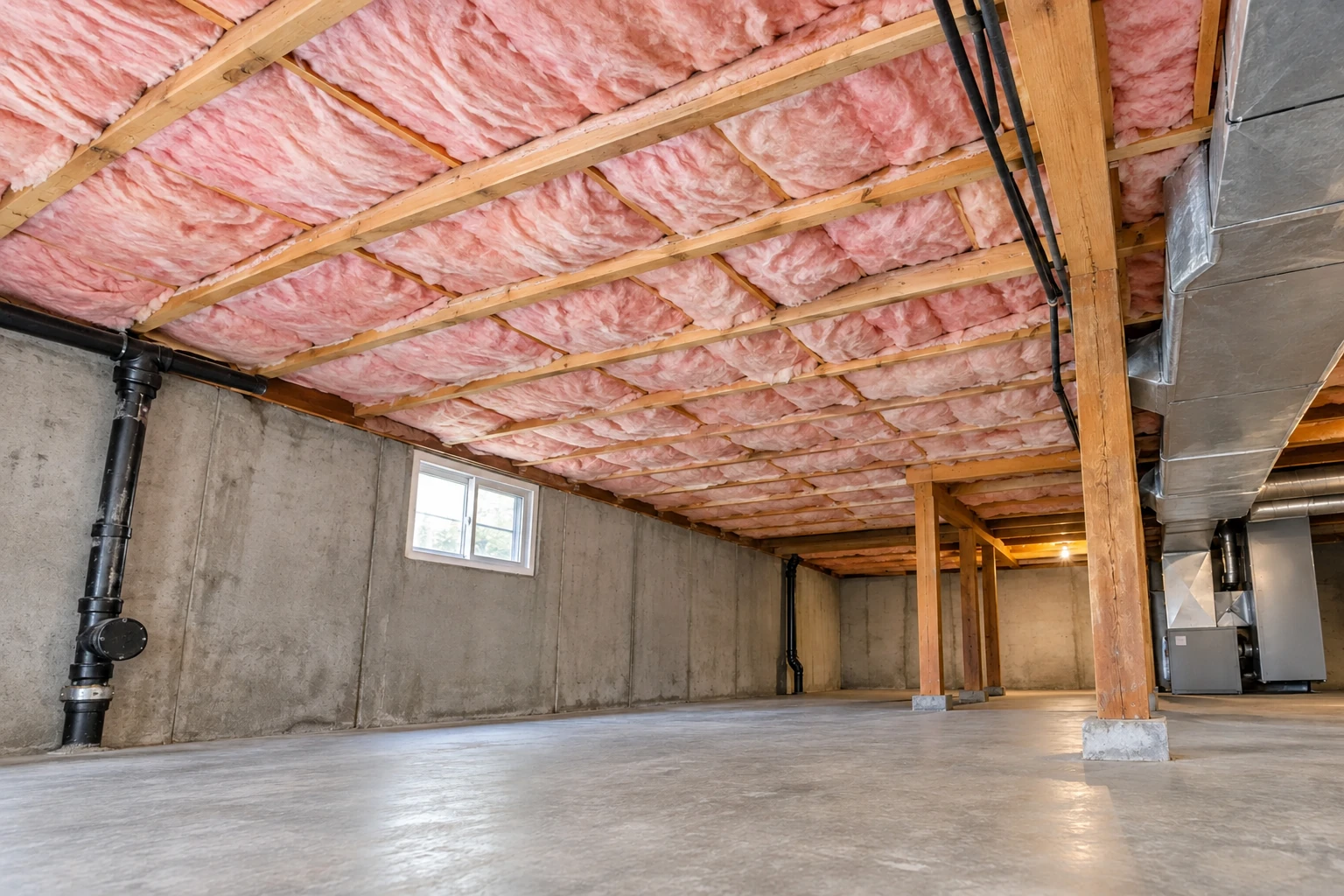
If your floors run cold over a crawl space, we insulate between the floor joists and check for damp first, since insulation that stays wet underneath stops doing its job.
When one room won't hold temperature, we check its outside walls for cavities that were left empty or have slumped, a common reason one bedroom never matches the rest.
Around the house we close gaps at outlets, plumbing runs, the wall to the garage and other drafty spots, so the cooled or heated air you pay for stays in the rooms.
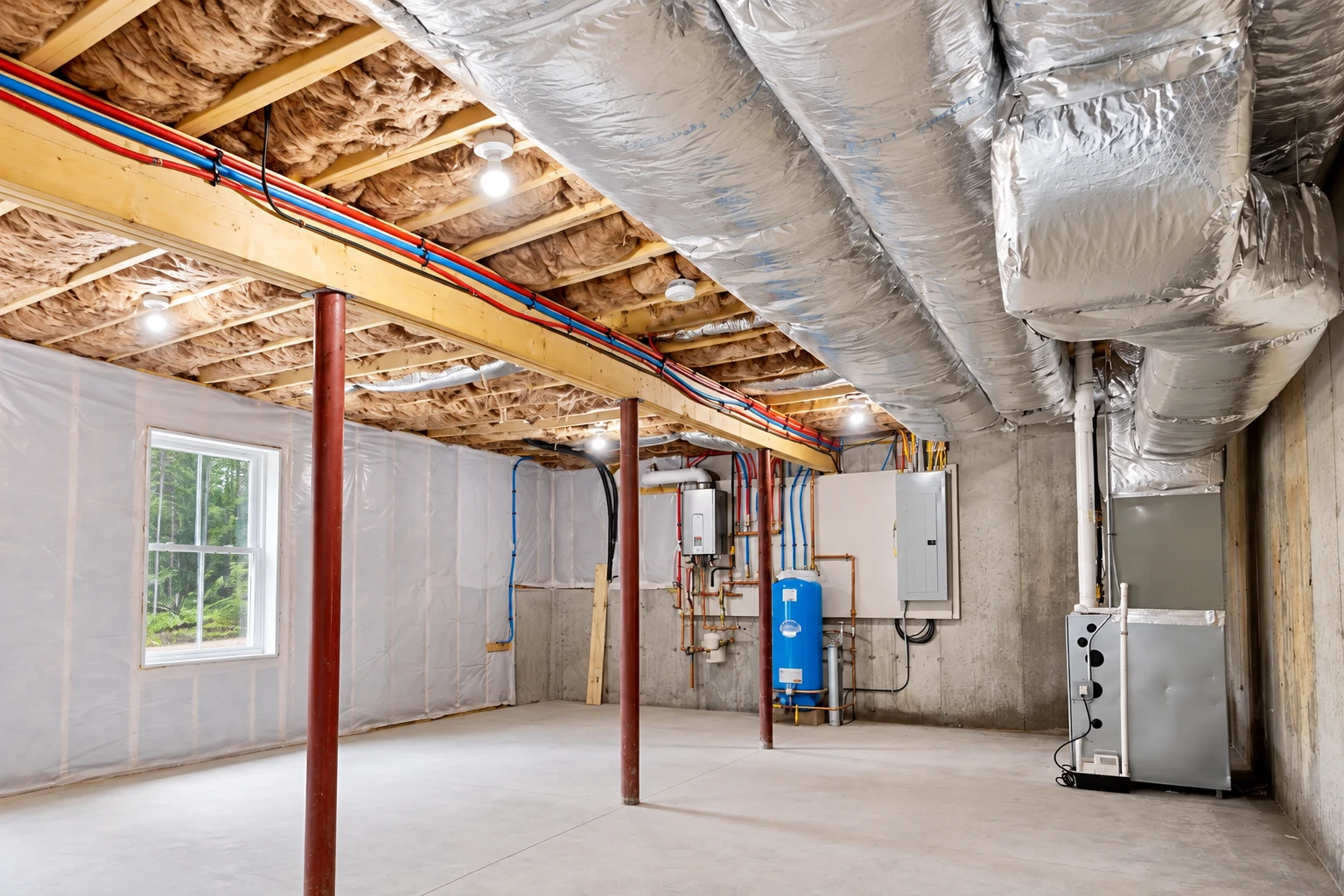
Where a house has a basement or a below-grade room, we insulate the walls and the framing on top of the foundation with materials that handle damp, so the space holds a steady temperature.
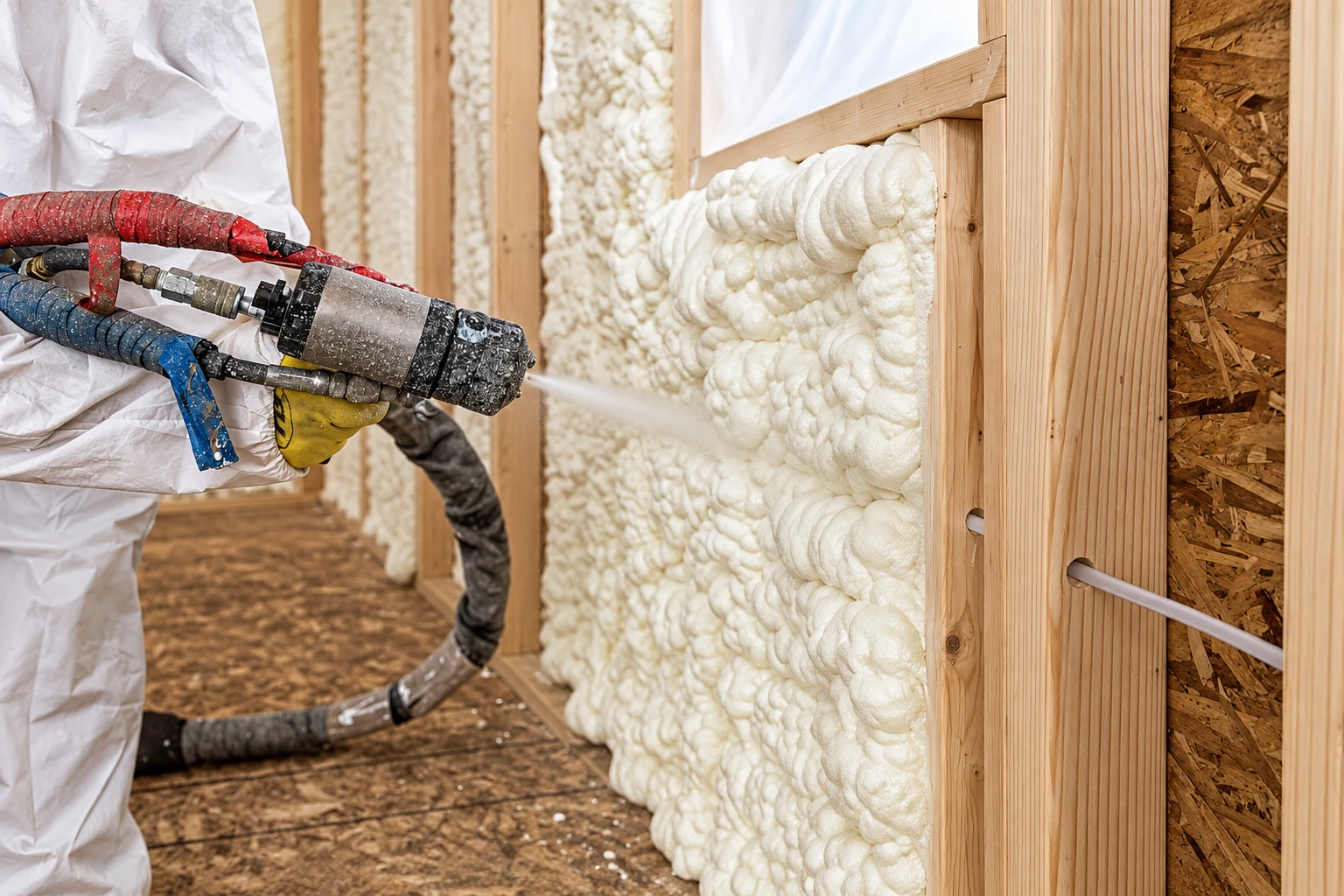
Closed-cell foam, a dense foam that blocks moisture, goes where damp is part of the problem, because it insulates and holds back water vapor in a single layer.
Open-cell foam is softer and lighter, a good fit for interior walls and roof decks where you want air sealed and some sound damped, and it usually costs less than closed-cell.
For landlords and small building owners, we insulate rental units, offices and light commercial spaces, and plan the work around tenants so the building keeps running.
We lay heavy plastic sheeting over the crawl space dirt and seal the seams, so ground moisture stays out of the floor framing and the insulation above it.
Before we insulate a wall, floor or garage ceiling, we check whether a vapor barrier belongs there, because one in the wrong spot can trap moisture inside the framing.
Air sealing, closing the gaps before insulating, starts on the attic floor around can lights, pipes, wiring and the hatch, where most of the air leaks upward.
In a finished house, we add insulation without tearing out walls, usually by blowing material into closed cavities through small holes that get patched afterward.
Send the form and we'll reply within one business day to set a time. I come out, look over the attic and the rooms giving you trouble, and write up a free estimate with no obligation.
I do the look-around and write the estimate, so the person explaining the fix is the one who crawled through your attic and saw the problem.
We're fully licensed and insured, and a lead installer runs each job, so there's one person on site to ask about anything you see.
Your satisfaction, guaranteed. Before we leave, I want you to understand what we did well enough to explain it to the next person who works on your house.
Here are straight answers to what Yorba Linda homeowners ask before an insulation job, from permits to old material to whether you need to leave.
The city's permit list doesn't name insulation by itself, so we check with the city before every job instead of guessing. The list does cover HVAC, electrical and renovation work, and the city's list of finish work that skips a permit stops at anything involving drywall, which matters if walls get opened. If a permit is needed, we handle the application and meet the inspector.
If the old insulation is dry and clean, it can usually stay and we add on top of it. If it's been soaked by a roof leak or is full of rodent droppings, it comes out first, because new material laid over it keeps the problem in your attic. I check which kind you have during the estimate visit.
For blown-in insulation and air sealing, you can usually stay home, because the work happens up in the attic. Spray foam is different. You, the kids and the pets stay out until the re-entry time passes, which is the wait the foam maker sets before anyone comes back in, and we give you that time when we schedule.
We're an insulation contractor based in Corona, CA, and these are the cities with their own page. If yours isn't listed, call or send the form and ask, because we work in plenty more.
Call (951) 393-1170 or send the form with which rooms run hot or cold, and I'll show up already thinking about where to look.