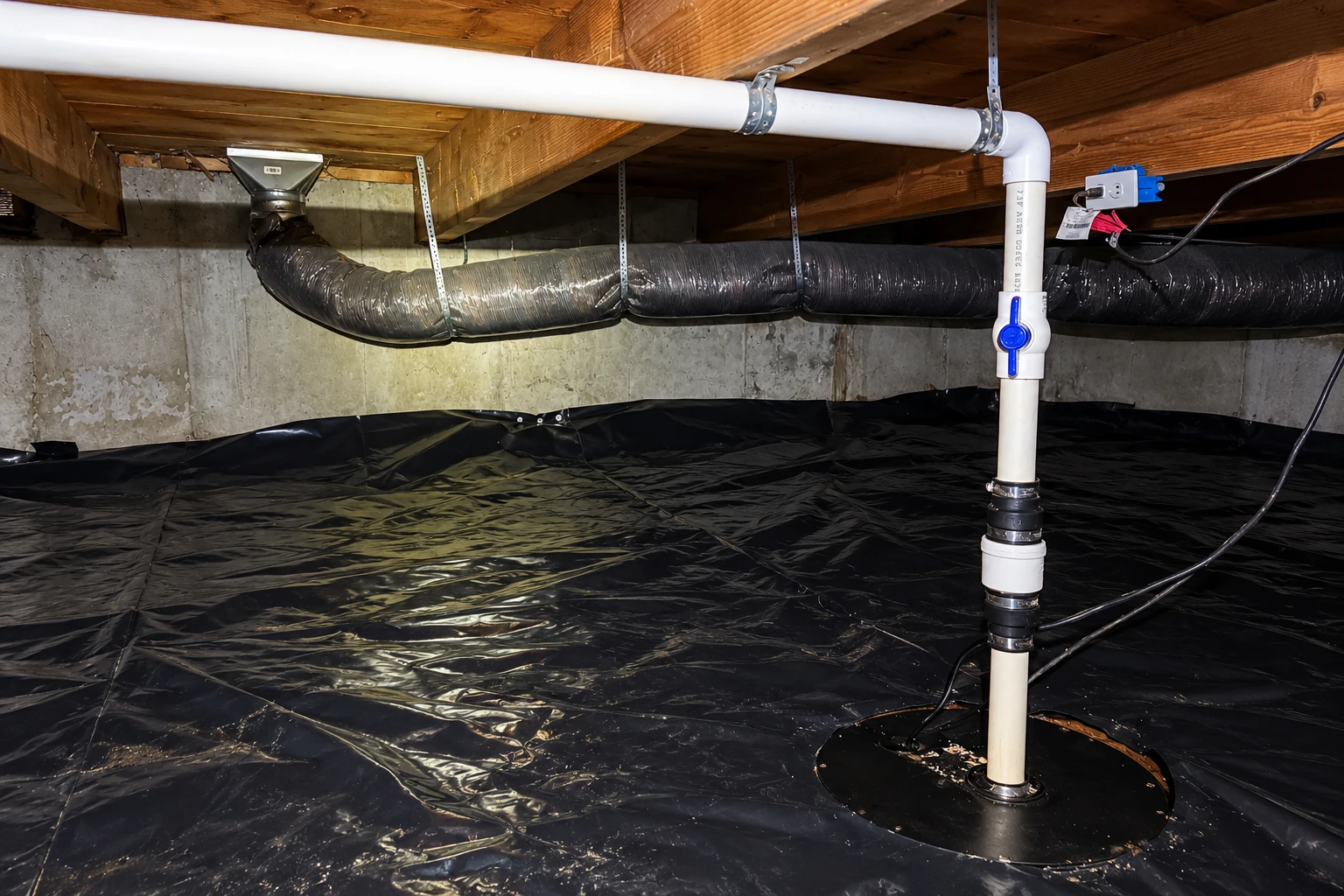
Spray foam insulation
Foam seals air while it insulates, so it earns its higher price when your ductwork runs through the attic or the roofline needs both jobs done at once.
Truetemp Corona Spray Foam Insulation is an insulation contractor based in Corona that works in Pomona, sealing and insulating attics, walls and crawl spaces so the hot upstairs bedroom and the room over the garage stop fighting the AC.
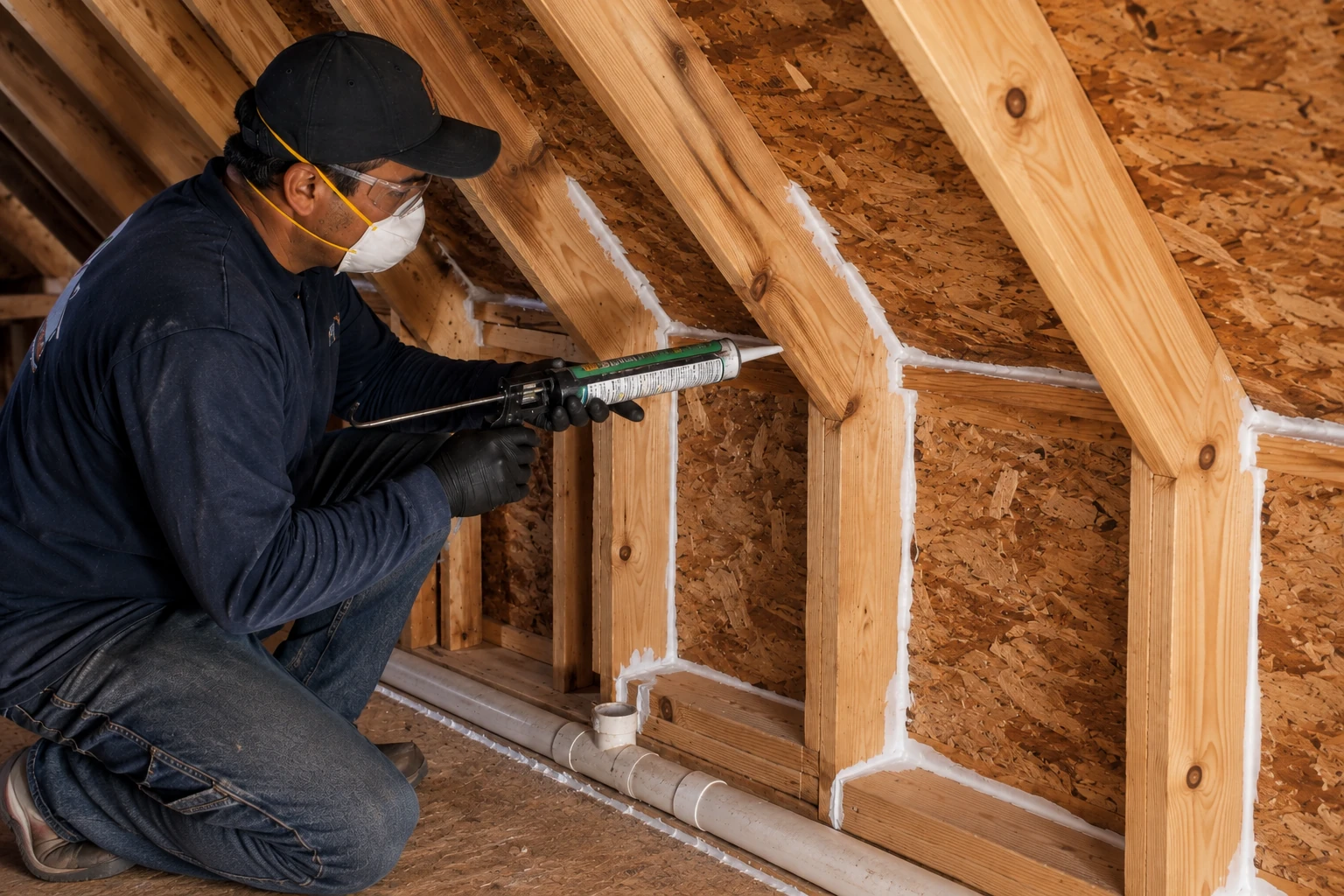
We're based in Corona and work in Pomona the same way we do in Chino and Home Gardens. That mostly means I spend time in your attic with a flashlight before anyone talks about material, and the estimate I write afterward spells out what your job needs and why.
Price comes down to how much attic you have, how many inches are already up there, whether old material has to come out first and how many gaps need sealing before anything new goes in. The schedule turns on the same things, plus how easy the attic is to reach and whether the city wants a permit for your job. Pomona has whole historic districts next to newer tracts, apartments and small commercial buildings, so I find everything from original insulation packed thin to attics topped up twice by past owners. That history decides whether we add, seal or start over.
I come out and write the estimate myself, because a hot bedroom or a cold floor usually has a cause you only find up in the attic or down in the crawl space.
Our installers do the work with a lead installer running each job, so there's one person on site who knows the plan and can answer your questions while we're there.
If the insulation up there is soaked or full of droppings, we pull it before adding anything, because fresh material laid over a problem just hides it for a while.
Foam seals air while it insulates, so it earns its higher price when your ductwork runs through the attic or the roofline needs both jobs done at once.
We check how many inches are already up there, seal the gaps first, keep the eave vents clear and bring coverage up evenly, edges included, since thin edges are where most attics fall short.
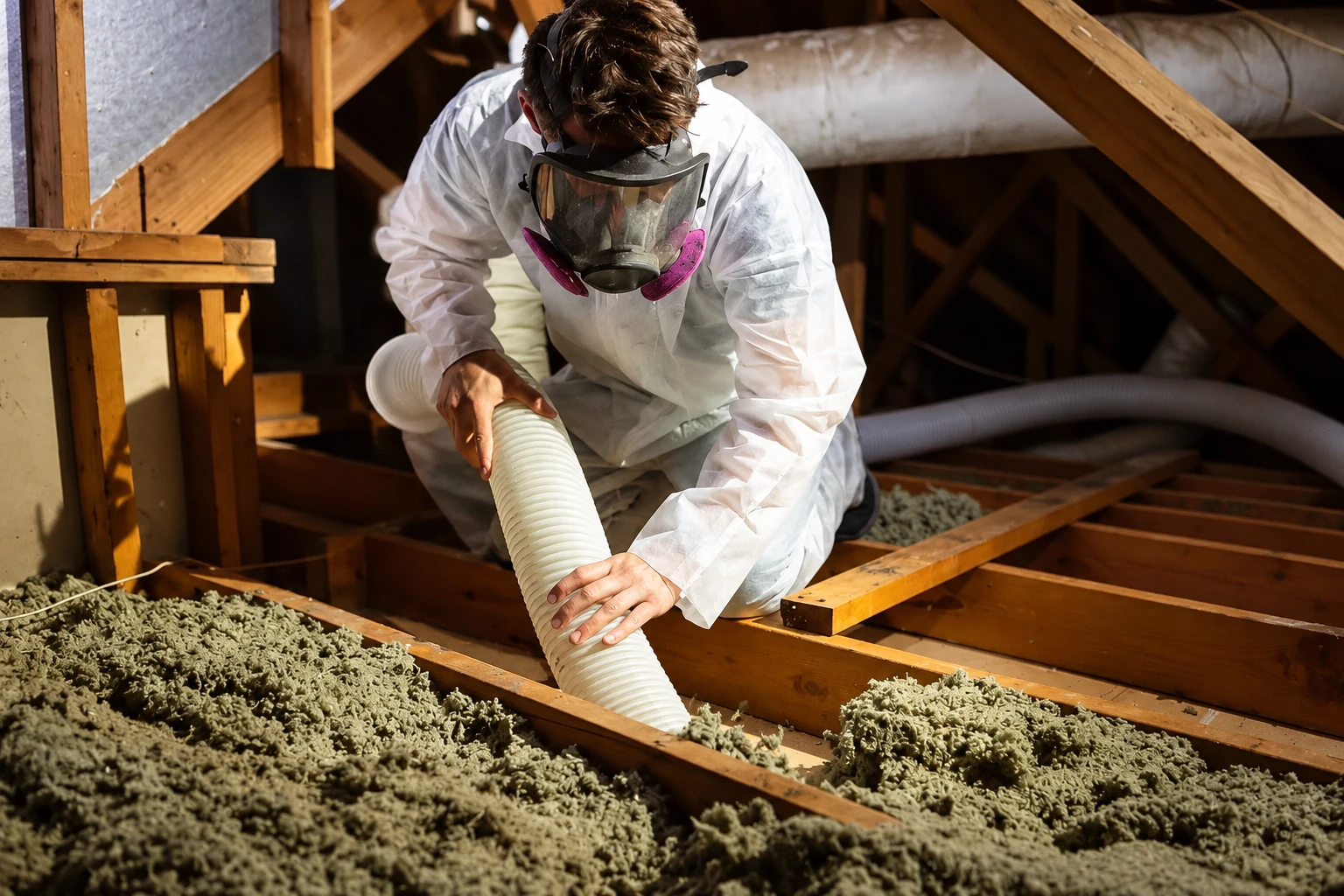
Blown-in is loose fill sent through a hose, which reaches the tight corners and low eaves of older attics without our crew crawling over every joist.
When the whole house feels off, we look at the attic, walls and floors together, so we fix the part that's actually letting heat through instead of the easiest one to sell.
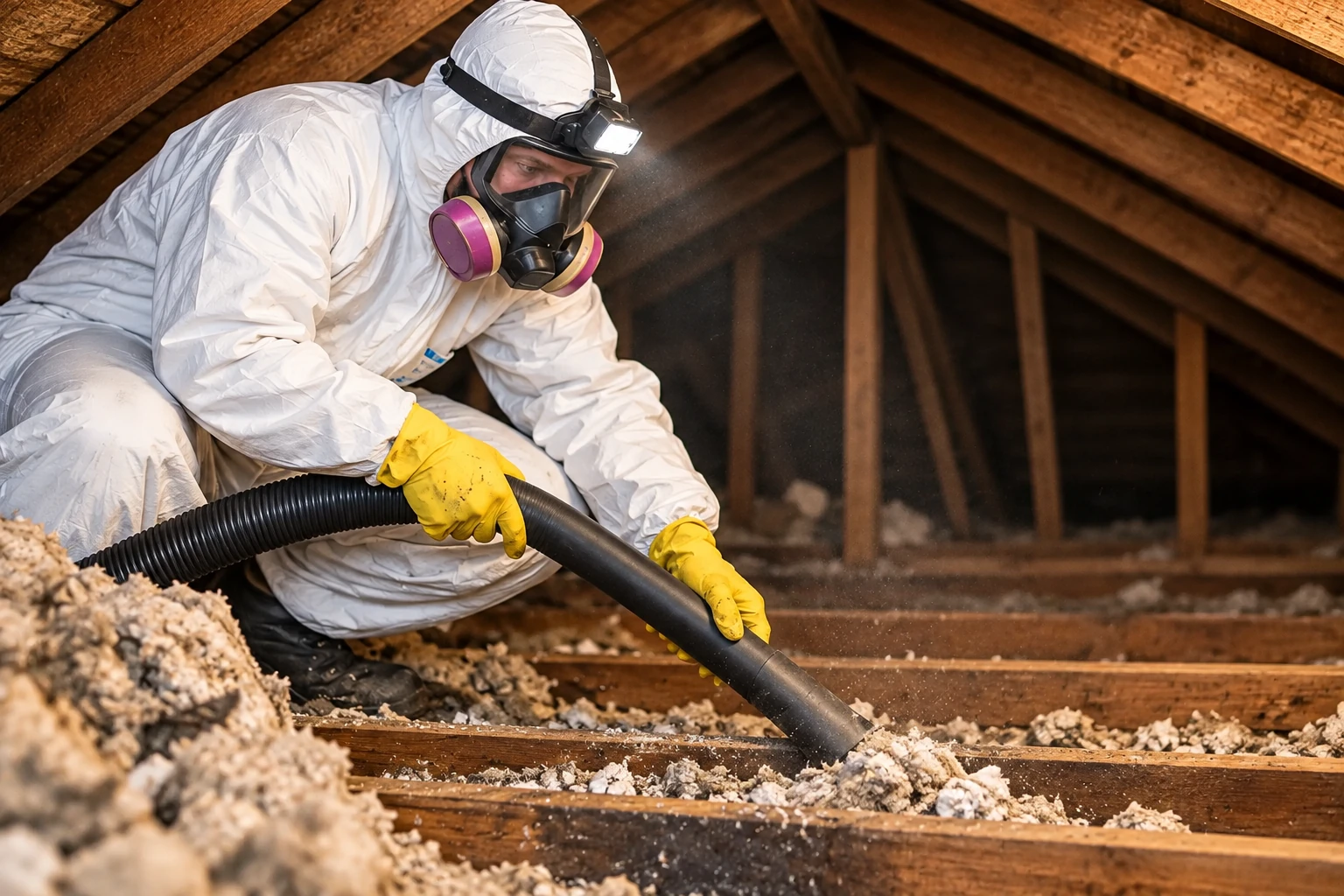
Old insulation that's soaked, flattened or full of droppings gets bagged and hauled away, so the new material starts on a clean attic floor instead of on top of the problem.
Cold floors usually trace back to the crawl space, where we insulate under the floor and close the openings that let outside air move under your rooms.
Exterior walls in older houses are often empty or close to it, and we fill them through small openings so you keep your drywall or plaster where it is.
Air sealing means closing gaps before insulating, and we hunt them down across the house, around pipes, wiring and the wall between the garage and your living space.
Where a house has a basement or a below-grade room, we insulate the walls and the rim along the top, which is where outside air usually slips in.
Closed-cell foam is dense foam that also blocks moisture, so we reach for it on crawl space walls and other spots where damp is part of the problem.
Open-cell foam is softer and costs less than closed-cell, and it fills odd rooflines and vaulted ceilings well where moisture isn't the concern.
For landlords and small building owners, we insulate and seal offices, shops and rentals, and plan the work around tenants so the building keeps running.
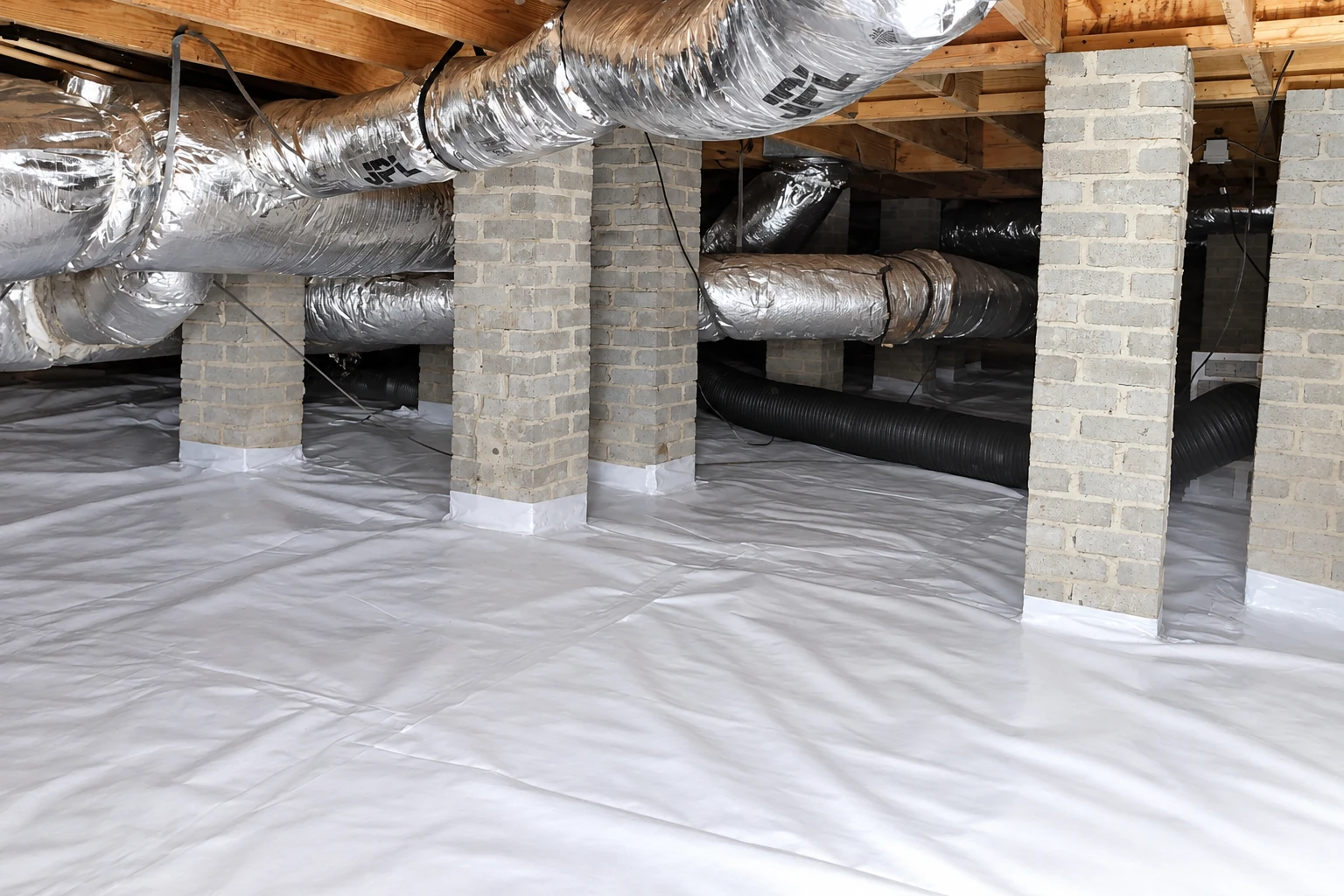
A vapor barrier is a sheet laid over the crawl space dirt and sealed at the seams and walls, so ground moisture stays out of the insulation and framing.
We install vapor barriers in walls, floors and crawl spaces where the house needs one, and we check placement first, since one in the wrong spot can trap moisture.
Before any insulation goes up, we seal around can lights, pipes, wiring holes and the attic hatch, so cooled air stops leaking into the attic.
For houses built before insulation was taken seriously, we add it to existing walls, floors and attics without tearing the place apart, working around what's already there.
Send the form or call, and we'll reply within one business day to set a time. I come out, look at the job and write up a free estimate, with no obligation to book.
A hot upstairs, a drafty room, cold floors or a power bill that keeps climbing all point somewhere different, so a line about it helps me show up with the right questions.
I'll want to get into the attic and the crawl space if you have one, so it helps to know where the hatch is and clear a path to it.
I'll walk you through what I found and why the estimate says what it does, so you could explain it to the next person who works on your house.
These are the questions Pomona homeowners usually ask me before we start, from permits to how long you'll be out of the house.
The city's Building Safety Division issues building permits in Pomona, and it also reviews plans and does the inspections. The city's list of work that skips a permit covers things like short fences and low walls, not insulation, so we check with the division on each job. If a permit is needed, we handle the application and meet the inspector.
Building and Safety takes walk-ins Monday through Thursday, 7:30 a.m. to 6 p.m., at City Hall, which is closed on Fridays. You can also call them at 909-620-2371. If we're doing your job, you usually won't need to go yourself, since we take care of any permit.
With blown-in fill and air sealing, you can usually stay home while we work, as long as kids and pets keep clear of the hatch. How long our crew is up there turns on the attic's size, how easy it is to reach and whether old material comes out first. Spray foam has a re-entry time, a wait before you come back in, and the foam maker sets it, so I'll give you that with the estimate.
For most attics, sealing the gaps and topping up the loose fill is the better buy, and foam makes more sense when your ductwork runs through the attic. Foam costs more because it seals air and insulates in one step. I'll look at where the ducts are and how much is already up there before I suggest either, because nobody wants to pay twice for the same attic.
We're based in Corona, and these are the cities with their own page here, not the only ones we work in. If yours isn't listed, call and ask.
We take calls seven days a week and late into the evening, so call (951) 393-1170 or send the form once you're home from work.