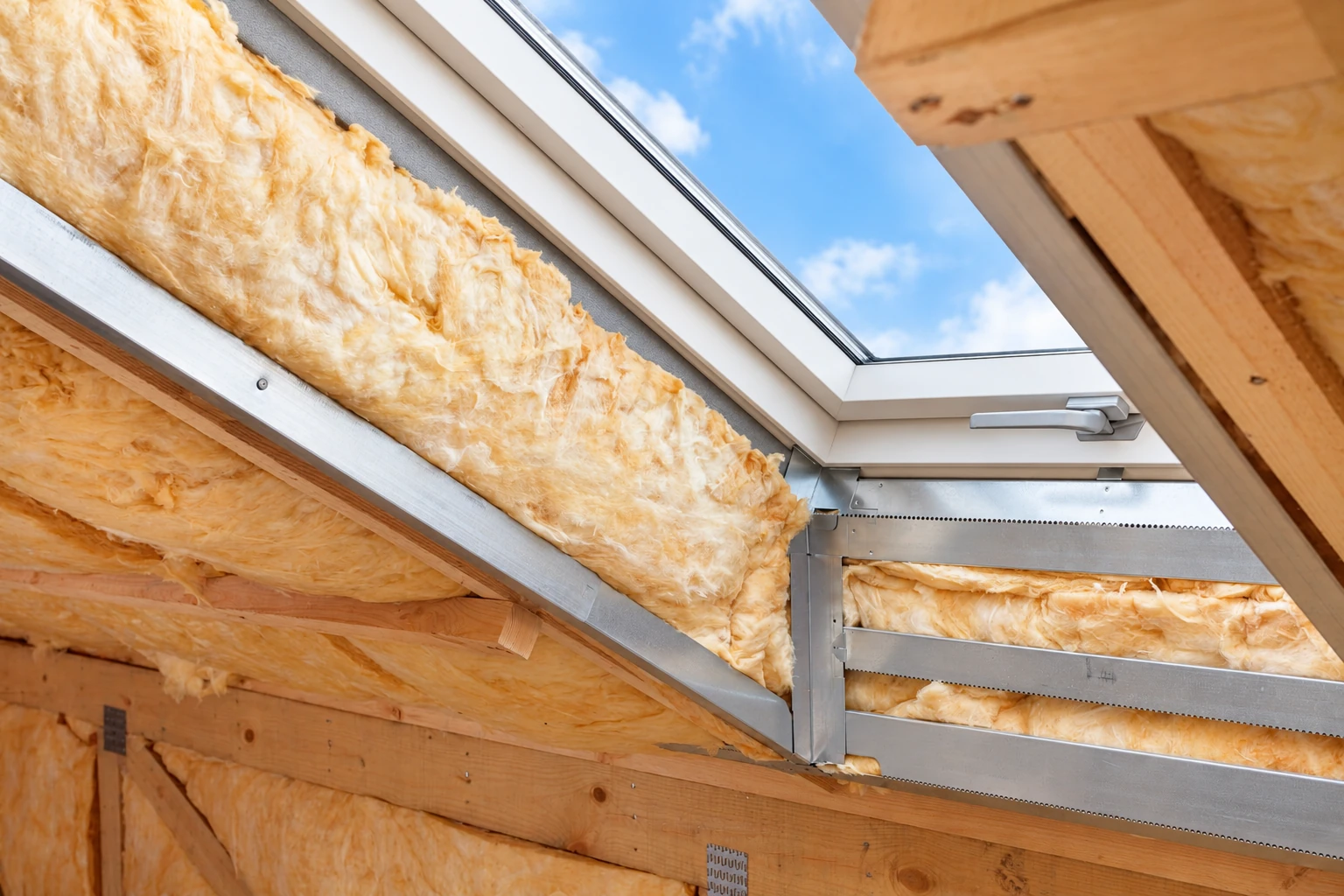
Bare dirt under the house
A crawl space with no cover at all has the most reason for this work, because the dirt floor sends ground vapor and soil gas straight into the space under your rooms.
Bare dirt or torn old plastic under the house? We cover the crawl space floor to hold down ground moisture and soil gases.
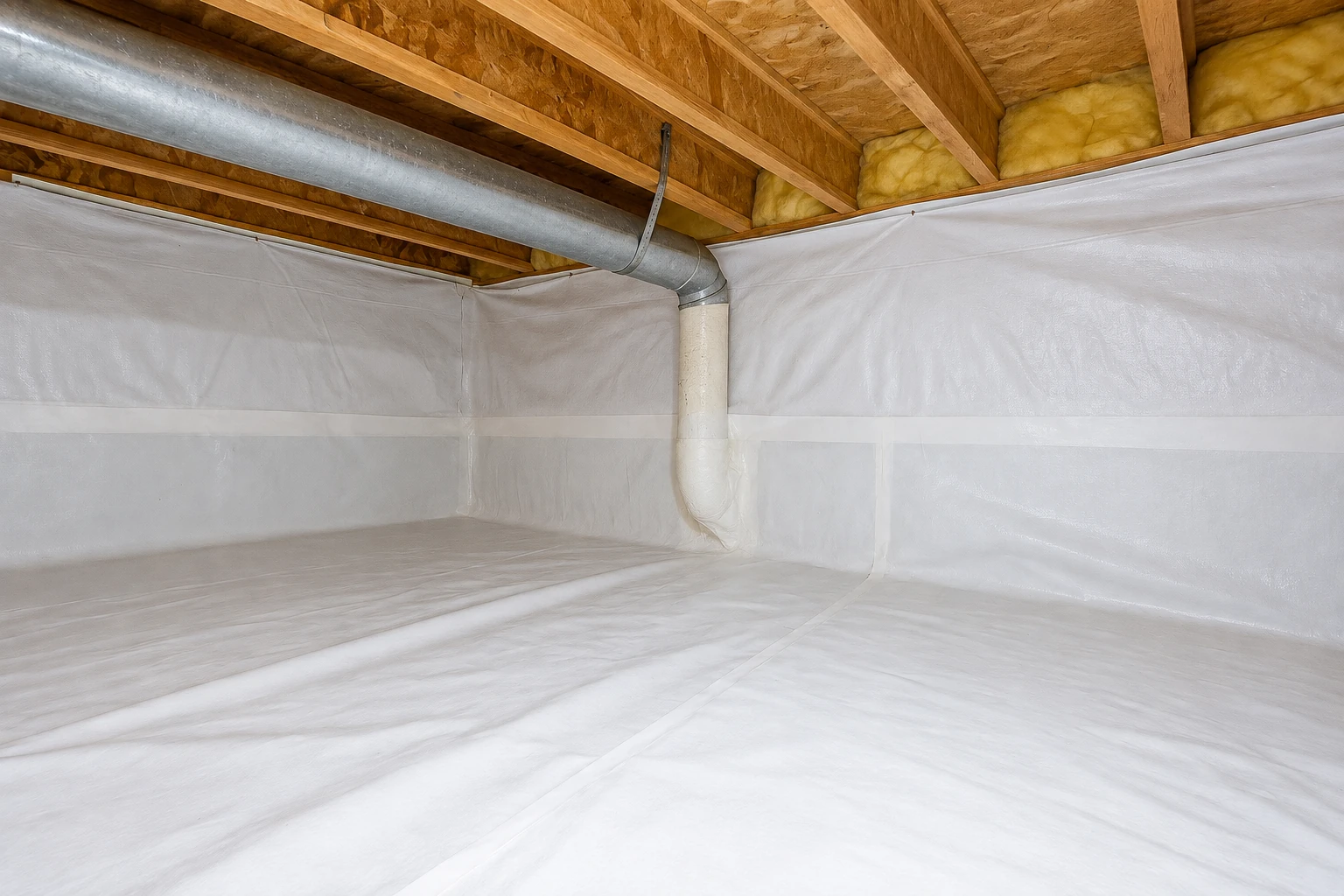
Vapor barrier installation in Corona means laying a plastic ground cover over your crawl space's dirt floor. When it's put in well, it helps hold down the ground moisture and soil gases, radon among them, that would otherwise rise into the crawl space. Truetemp Corona Spray Foam Insulation does this work in Corona and the cities around it, from Riverside and Jurupa Valley to Chino Hills, Pomona and Yorba Linda.
If you've looked under the house and found bare dirt, or plastic that's torn, bunched up or half gone, that's the case for this work, because an exposed floor lets ground vapor and soil gas into the crawl space with nothing in the way. The price turns on how big the crawl space is, how much has to come out first, whether water, mold or pests need fixing before anything goes down, how thick a sheet you pick, and whether you want a floor cover or a fully sealed crawl space. The schedule mostly follows that same prep, since the cover can't go down until the floor is clean, so I'll give you your own number once I've been under there with a flashlight.
I come out to see your crawl space and write up the estimate, and a lead installer runs the job, so the price comes from someone who actually saw your floor.
We'll tell you plainly whether your house needs a simple floor cover or a fully sealed crawl space, and I won't sell you the bigger job when the smaller one handles it.
I'll walk you through what we found and what we did, clearly enough that you could explain it to the next person who works on your house.
First I go under the house with a flashlight and look for mold, standing water, pests and damaged framing, because a cover laid over any of those just hides them. Those get dealt with first, then our crew clears out stored things and debris and pulls any old insulation or torn plastic, so the new sheet goes down on a clean floor. Before we lay it, we look at where water already runs under there and lay the cover so that drainage keeps working. The sheet goes over all the ground we can reach and up onto the walls, piers and footings, and if you've chosen a sealed crawl space, we seal the seams and every pipe or post that comes through it, because an open gap is where these covers tend to fail.
A crawl space cover handles what comes up from the ground, but the top of the house matters too. If upstairs runs hot, attic air sealing, which closes the gaps around lights, pipes and the hatch, is often the other half of the picture. When a sealed crawl space calls for insulation, or an older house is short on it somewhere else, that's retrofit insulation, meaning adding insulation to a house that's already built.
A crawl space with no cover at all has the most reason for this work, because the dirt floor sends ground vapor and soil gas straight into the space under your rooms.
Plastic that's torn, pulled loose or full of holes from years of service work does about as much as no cover, so a failed one usually gets pulled and replaced.
If you keep boxes or old lumber under there, plan on moving them out first, because the cover only does its job when it reaches the whole floor.
Landlords and small building owners call us for this too, and I look at each crawl space on its own, since two buildings on the same street can be in very different shape.
Send the form and we'll reply within one business day to set a time. I'll come out, look under the house and write up a free estimate, and there's no pressure to book.
Let us know whether the crawl space floor is bare dirt or old plastic, because that tells me before I arrive whether we're laying fresh or pulling something out first.
If you've seen standing water, a musty smell, mold or signs of animals under there, say so, since those get handled before the cover goes down and they shape the plan.
Rather talk it through? Call (951) 393-1170, weekdays 7 AM to 11 PM or weekends 8 AM to 10 PM, and we'll ask you the same questions.
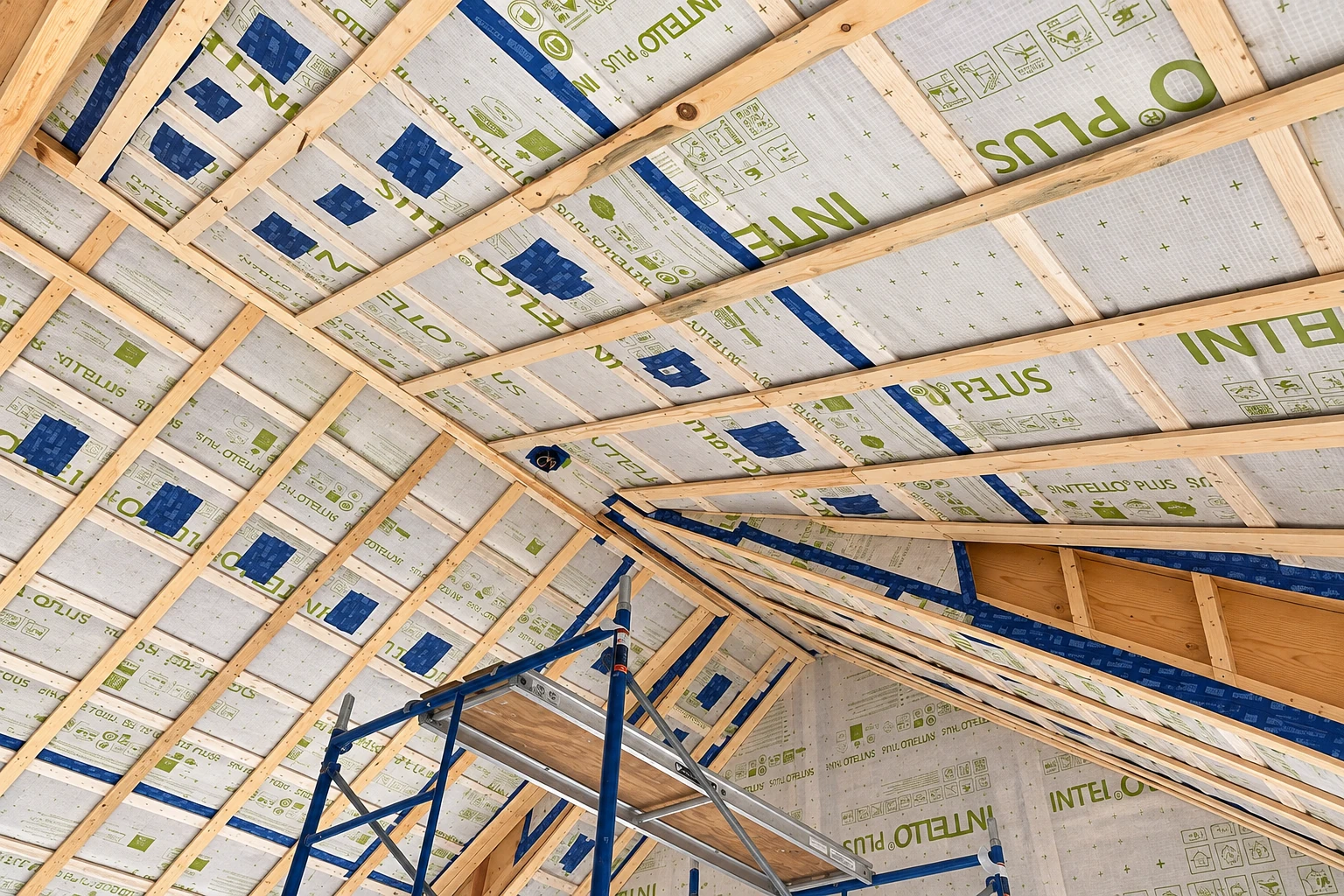
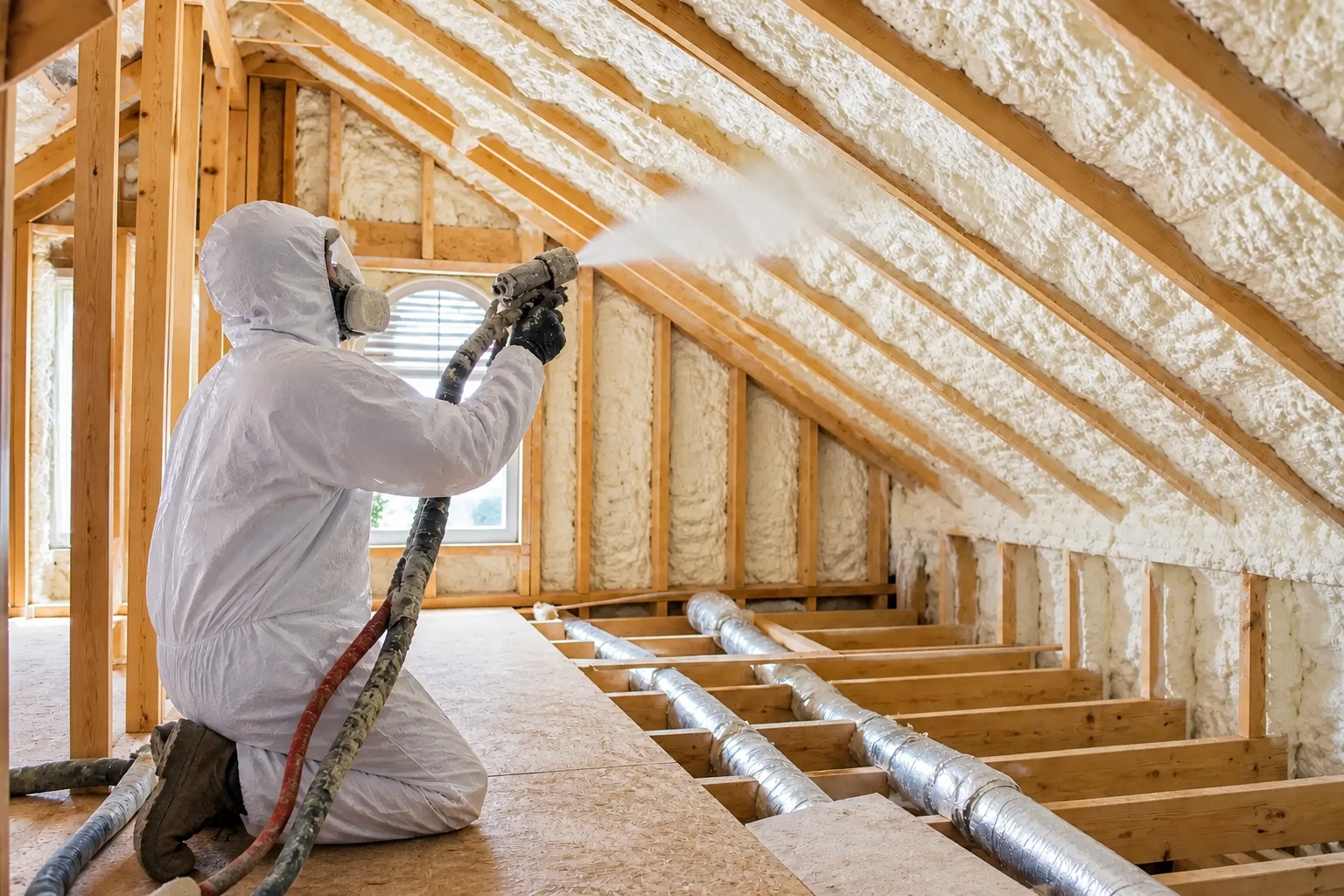
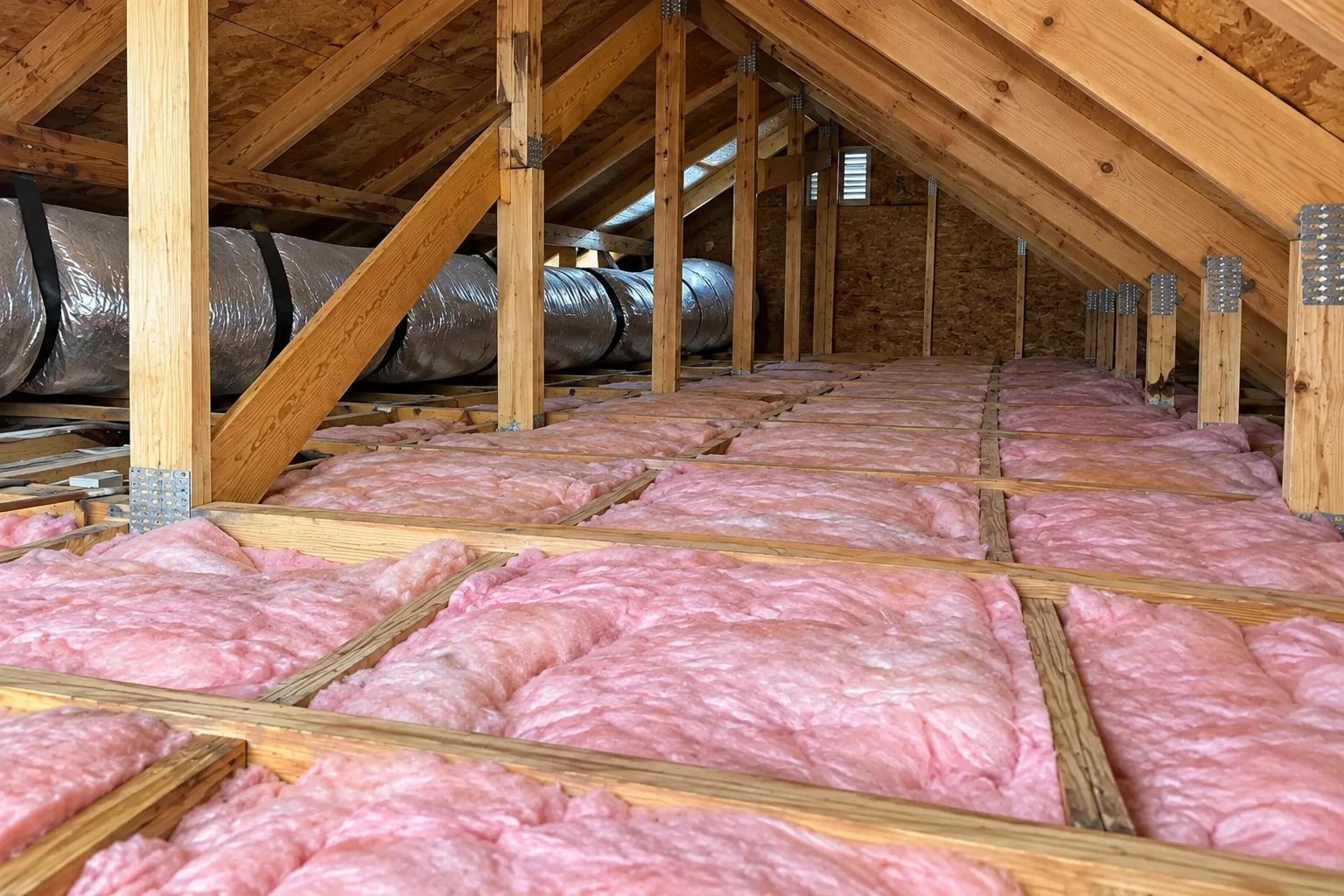
These photos show floor-only covers, sheets run up the walls and fully sealed crawl spaces, the options we'll talk through for your house.
Straight answers to what people ask before they let anyone cover their crawl space floor, from scope and lifespan to radon and licensing.
A floor cover is usually the starting point, and full encapsulation is the bigger step for crawl spaces that need more. A basic barrier covers only the floor, while encapsulation adds coverage on the walls, sealed vents, a dehumidifier and sometimes insulation and drainage. I'll tell you which one your house actually calls for after I've looked.
One national cost guide puts a 12-mil reinforced barrier at 15 to 20 years and a 20-mil barrier at 20 to 25 years or more, a mil being a thousandth of an inch of thickness. The same guide says covers fail from tears, dried-out seam tape and unsealed openings, and that a yearly look extends their life significantly.
Yes, a well-installed ground cover helps hold down soil gases such as radon in the crawl space, along with ground moisture. The words that matter there are well installed, which is why we put so much care into full coverage and sealed openings when we lay it.
Only on a small job. The state's minor work exemption tops out at $1,000, and it applies only when the work needs no permit and the person has no one working for them on it. A crawl space job with prep and repairs can easily go past that, and we're fully licensed and insured.
Corona's Planning & Development office takes those questions at 951-736-2250. City Hall is open Monday to Thursday, 7 AM to 6 PM, and closed Fridays, so plan your call around that. On our side, I check with the city or county office for each job, since some places we work fall under the county instead of a city.
Call (951) 393-1170 or send the form with how you get into the crawl space, so I know what I'm crawling into before I arrive.