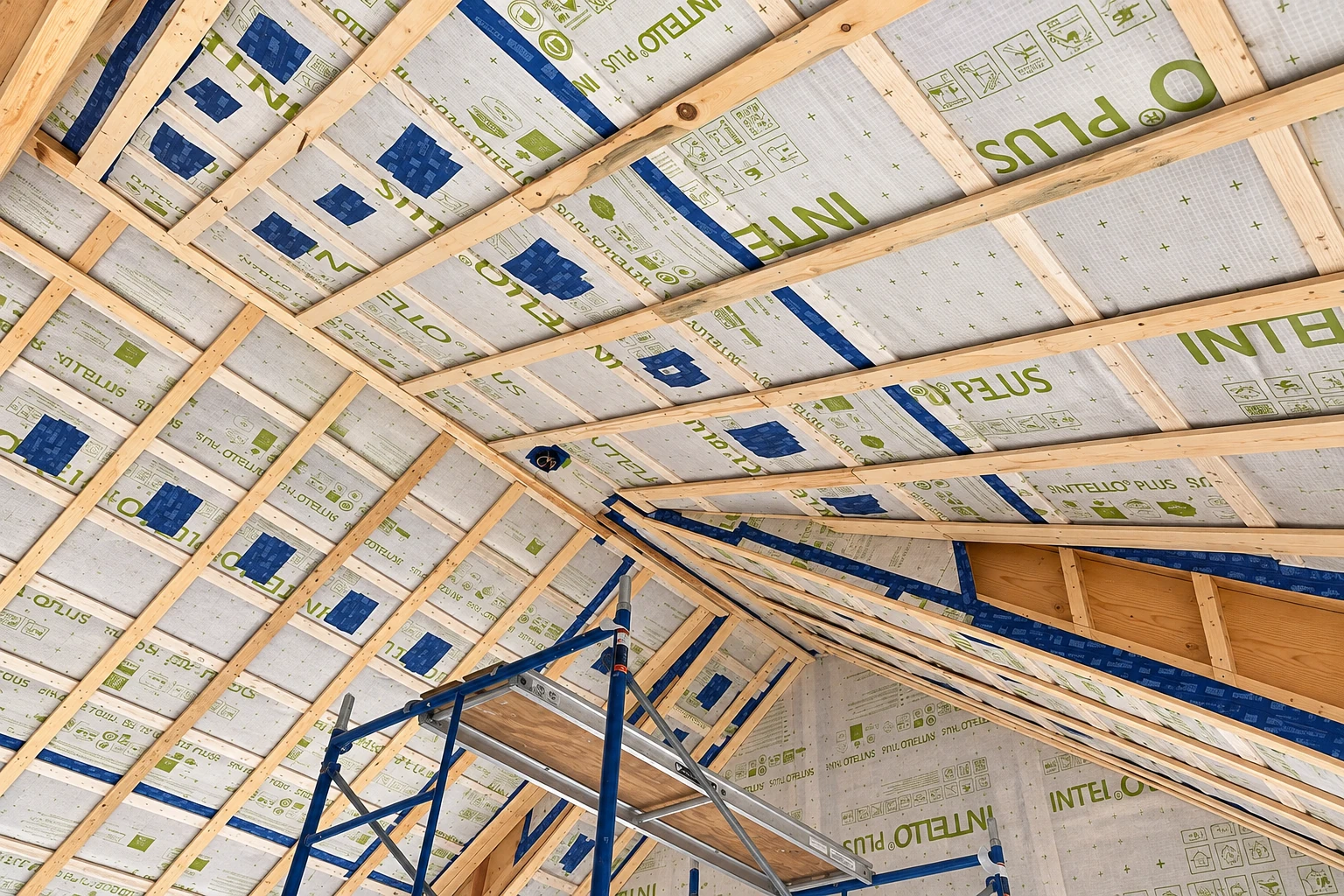
Metal buildings and warehouses
These are traditionally insulated with glass fiber rolls draped over the frame, with the vapor retarder facing in to slow moisture, before the metal skin goes on outside and encloses everything.
Office hot by noon and the AC never shuts off? We insulate roof and walls around your hours, so the space holds its temperature.
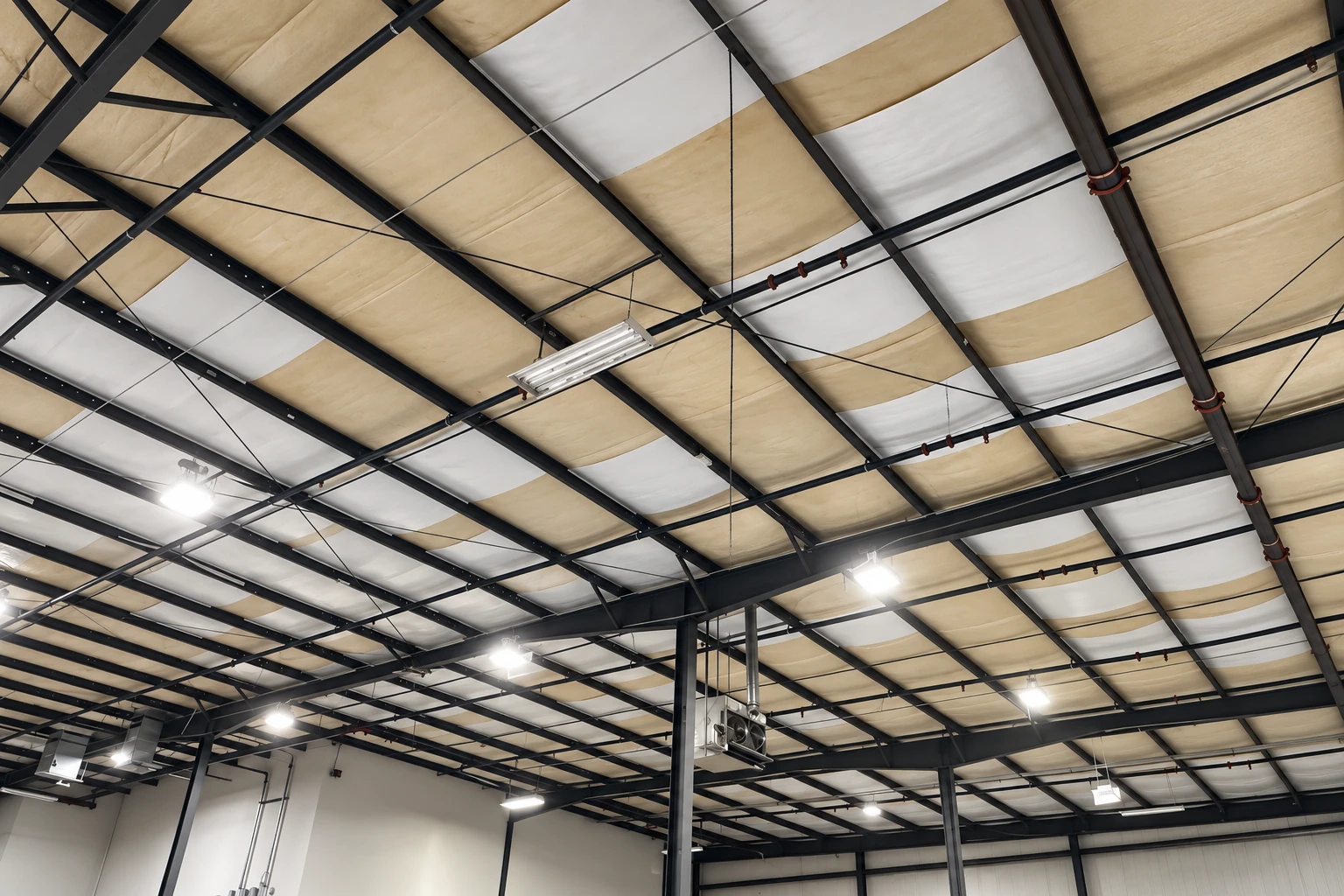
Commercial insulation in Corona is insulation added to a working building, such as spray foam on a roof deck or walls, or glass fiber in a metal building. It helps the space hold its temperature, so the power bill stops climbing every summer.
Most of my commercial calls come from landlords and small building owners in Corona and the cities around it, from Riverside and Jurupa Valley to Chino Hills, Pomona and Yorba Linda, and it's usually a space that runs hot all summer or a bill that won't quit. The price moves with the size of the building, what the walls and roof are built from, whether old or damaged material has to come out first through insulation removal, and which product fits each surface. The schedule mostly turns on your open hours, because foam work means the space sits empty for a while, and I'll give you your own figures after I've walked the building.
I'd rather spend extra time looking at your roof, walls and ceiling than guess, because the fix should match the real problem and not just the easiest thing to sell.
We're fully licensed and insured, and our installers work with a lead installer running each job, so there's one person on site who knows the plan from start to finish.
When we finish, I'll walk you through what went where and why, so you can explain it to the next roofer or HVAC tech who works on the building.
It starts with me walking the building with a flashlight, checking the roof, walls, ceiling and any old insulation, and asking when the place is busy. Before work starts we give you the name of the product we plan to use so you can check it, which matters because the state's Energy Code manual allows only insulation the Department of Consumer Affairs has certified. For a building that's open for business, we set the work around your hours so the space can sit empty while foam goes on and airs out. Then the lead installer and crew protect what stays in the room, seal the gaps around pipes, light fixtures and openings first so the new insulation isn't fighting a draft, install it evenly out to the edges instead of piling it in the middle, keep the vents clear and clean up.
Insulation is only as good as what's around it. If the building sits over a crawl space, a crawl space vapor barrier keeps ground moisture away from the floor and the new material, and where walls or a roof need their own moisture layer, we handle vapor barrier installation as part of the same plan.
These are traditionally insulated with glass fiber rolls draped over the frame, with the vapor retarder facing in to slow moisture, before the metal skin goes on outside and encloses everything.
Insulation between metal studs often isn't enough on its own, and the state's manual says a continuous layer running across the framing may need to be added to meet the Energy Code.
Corona sits in the state's Climate Zone 10, which sets several efficiency standards here. In this zone the state's manual says heavy masonry walls need no insulation, while light walls still do.
A single room that stays hot no matter what the AC does usually has a reason, like thin coverage at the edges or an open gap, and tracking that down is what we're known for.
Send the form and we'll reply within one business day to set a time. I'll come out, look the building over and write up a free estimate, with no pressure to book.
Tell us if it's an office, a shop, a warehouse or a metal building, and roughly how big, because that decides which materials are even on the table.
Block, metal studs, wood framing, a metal roof or a flat roof deck all insulate differently, so whatever you know about yours saves us a round of guessing.
Let us know when people are in the building and whether a roof replacement is coming, since both shape when we can work and what goes on top.
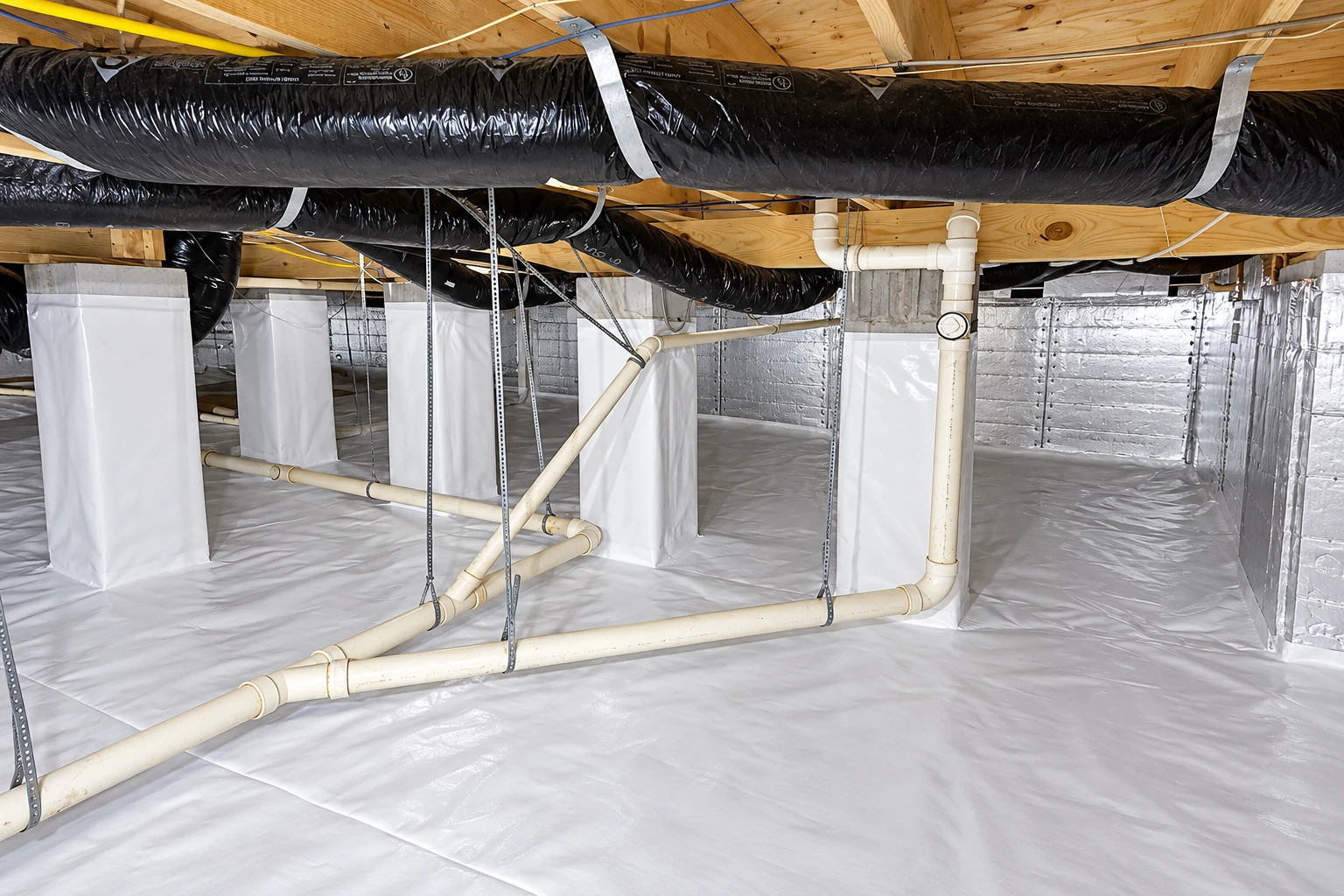
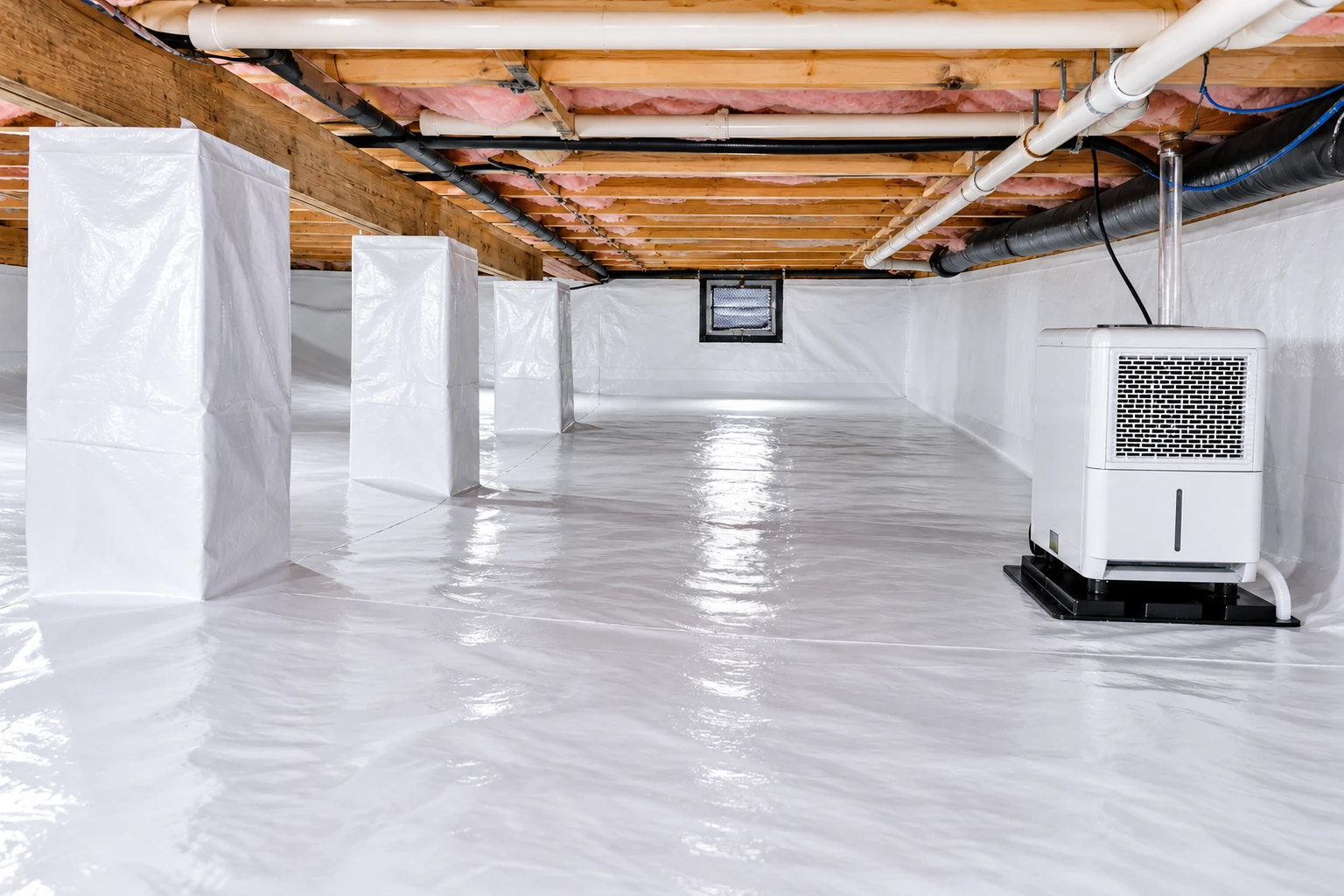
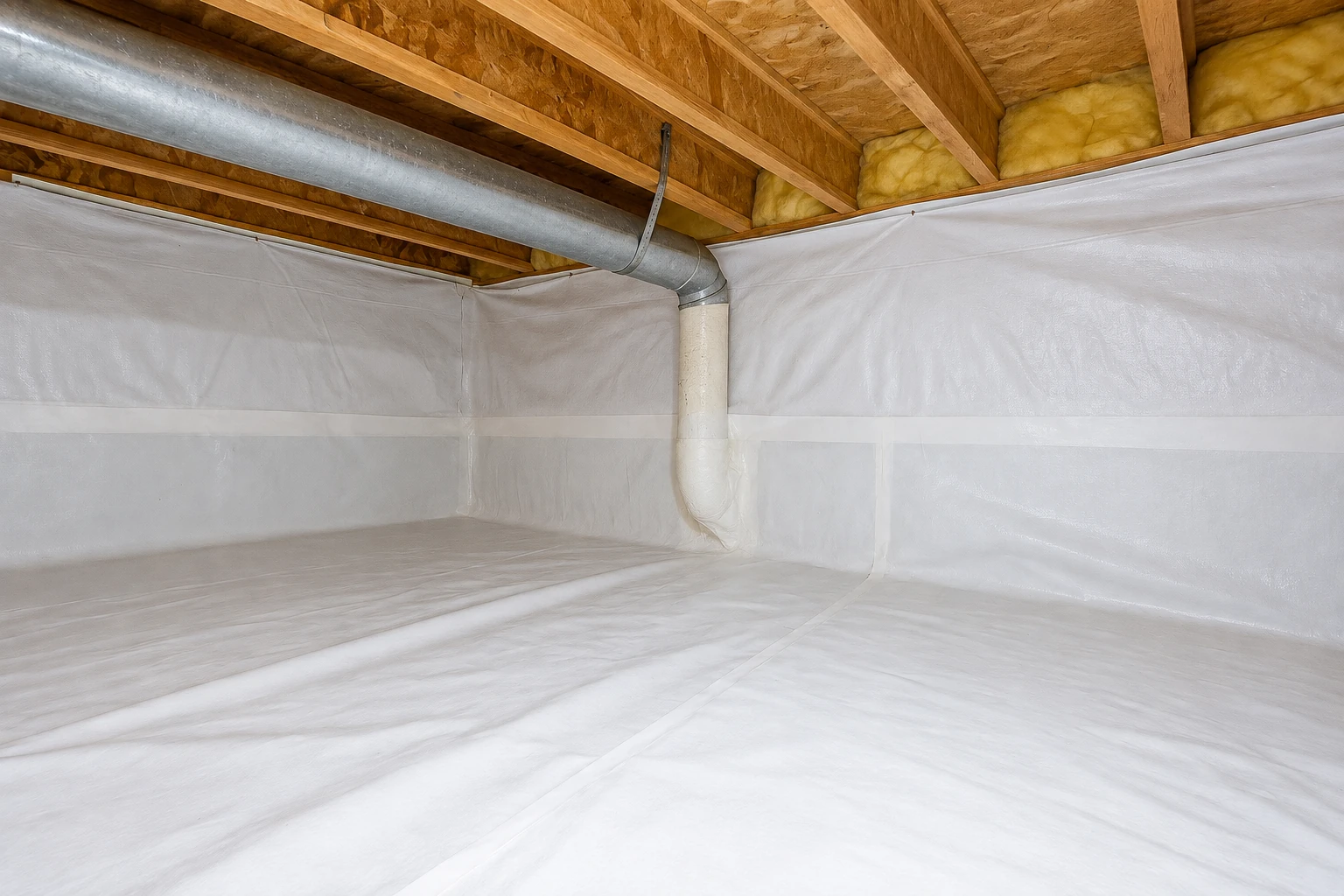
These photos show spray foam, glass fiber rolls and different layouts, examples to point at while we talk through what fits your building.
Here are the questions property managers and building owners ask most when they're planning insulation work on a building that stays open.
Closed-cell foam, the dense kind that blocks moisture, is the one for outside surfaces. A national spray foam trade group says closed-cell suits both exterior and interior surfaces, while open-cell is best kept to interior ones. So once we know which way each surface faces, the choice usually narrows quickly.
Some foam makers recommend 24 hours before people return, though it varies by product. National EPA guidance, on a page that's now archived, says staff and other trades should stay out until the foam cures and the space is aired out and cleaned. Use the product name we give you to check that foam's re-entry time, the wait before anyone goes back in.
It can, depending on how much roof you're doing. The state's Energy Code roof rules apply when you replace, recover or recoat 50 percent or more of the roof, or more than 2,000 square feet, whichever is less. Small repairs fall outside them, so if a reroof is coming, tell us early and we'll plan the insulation around it.
Call the city's Building Division at 951-736-2250 or email BuildingPlanCheck@CoronaCA.gov. They're the ones who answer plan review questions on a Corona project, so if your job involves plans, it's worth reaching out before the work is scheduled.
Often the cheaper fix is the right one. Foam costs more and seals air while it insulates, but sealing the gaps and topping up with blown-in insulation, loose fill blown through a hose, usually does the job. The exception is when ductwork runs through the space above your ceiling, and then foam tends to earn its price.
Call Truetemp Corona Spray Foam Insulation at (951) 393-1170 or use the form, since our hours run into the evening seven days a week.