
The room over the garage
That room has a hot garage under it and attic space beside or above it, so I usually check both before we decide where the insulation should go.
Hot upstairs, a drafty room over the garage or a power bill that keeps climbing? We add insulation to your house where it'll actually help.
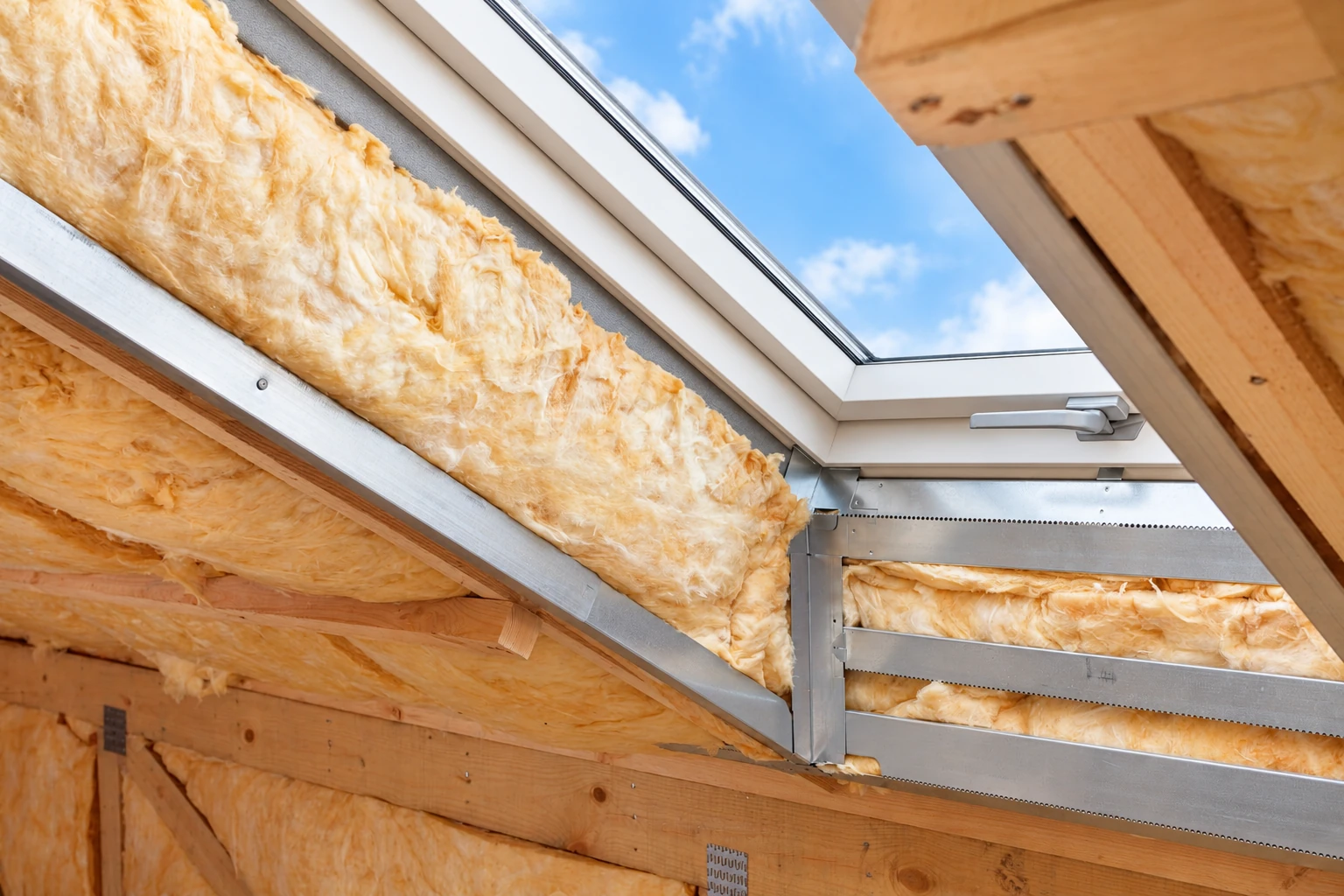
Retrofit insulation in Corona means adding insulation to a house that's already built and lived in, in the attic, the walls or both, so your rooms hold onto what the AC does instead of losing it through the ceiling.
Most calls start the same way, with one bedroom that stays hot no matter what the thermostat says, or a room over the garage nobody wants to use in August. The price turns on how much attic or wall there is to cover, how easy it is to get into, whether old insulation has to come out first and how many gaps need sealing before anything new goes down. The schedule mostly turns on what we find up there, since some of it has to be dealt with before the insulation can go in. I come out, take a look and write up an estimate for your house, so you're working from your own number and not a guess.
I come out myself and go up into the attic before I write anything down, because guessing at what's up there is how people end up paying for the wrong fix.
If sealing a few gaps and topping up what you already have will fix the hot room, that's what I'll tell you, even when the bigger job would pay us more.
Since 2020 we've been the call for the room that won't cool down when nothing obvious is wrong, and tracking down the cause is the part of this work I enjoy most.
I start with a question you might not expect, which is the year your house was built, because older houses can turn up wiring or old insulation that changes the whole plan. Then I'm in the attic with a flashlight, checking how many inches are already up there, whether it's clean or soaked or full of droppings, and where air sneaks in around the can lights, pipes and the hatch. From there I work out whether the attic, the walls or both will make the biggest difference, and I plan around what's already in place instead of tearing it all out. On install day a lead installer runs the job. The crew seals the gaps first, keeps the eave vents clear so the attic can still breathe, and gets full coverage out to the edges instead of piling it up in the middle. Before we leave, we walk you through what went in and where, so you can explain it to the next person who works on your house.
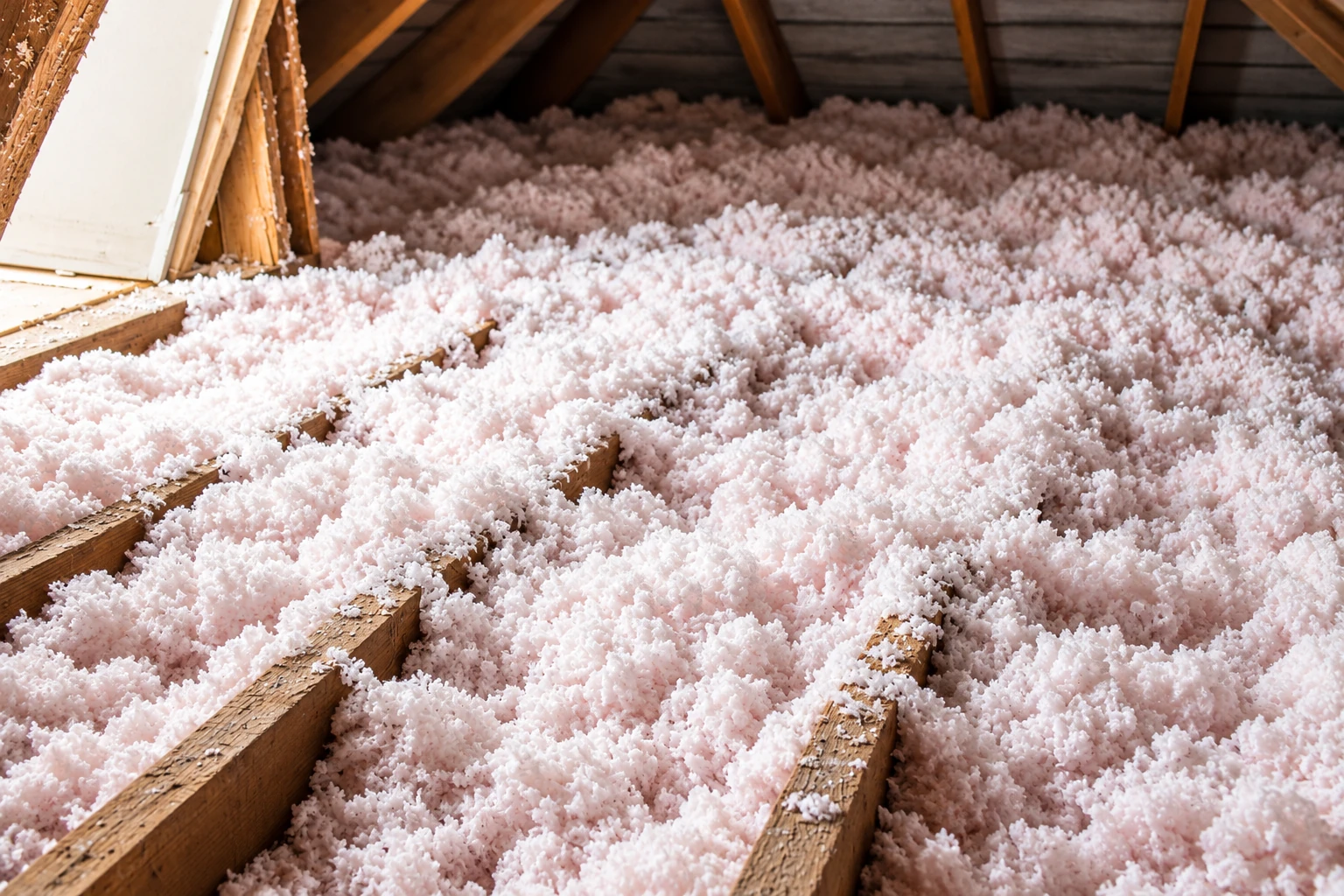
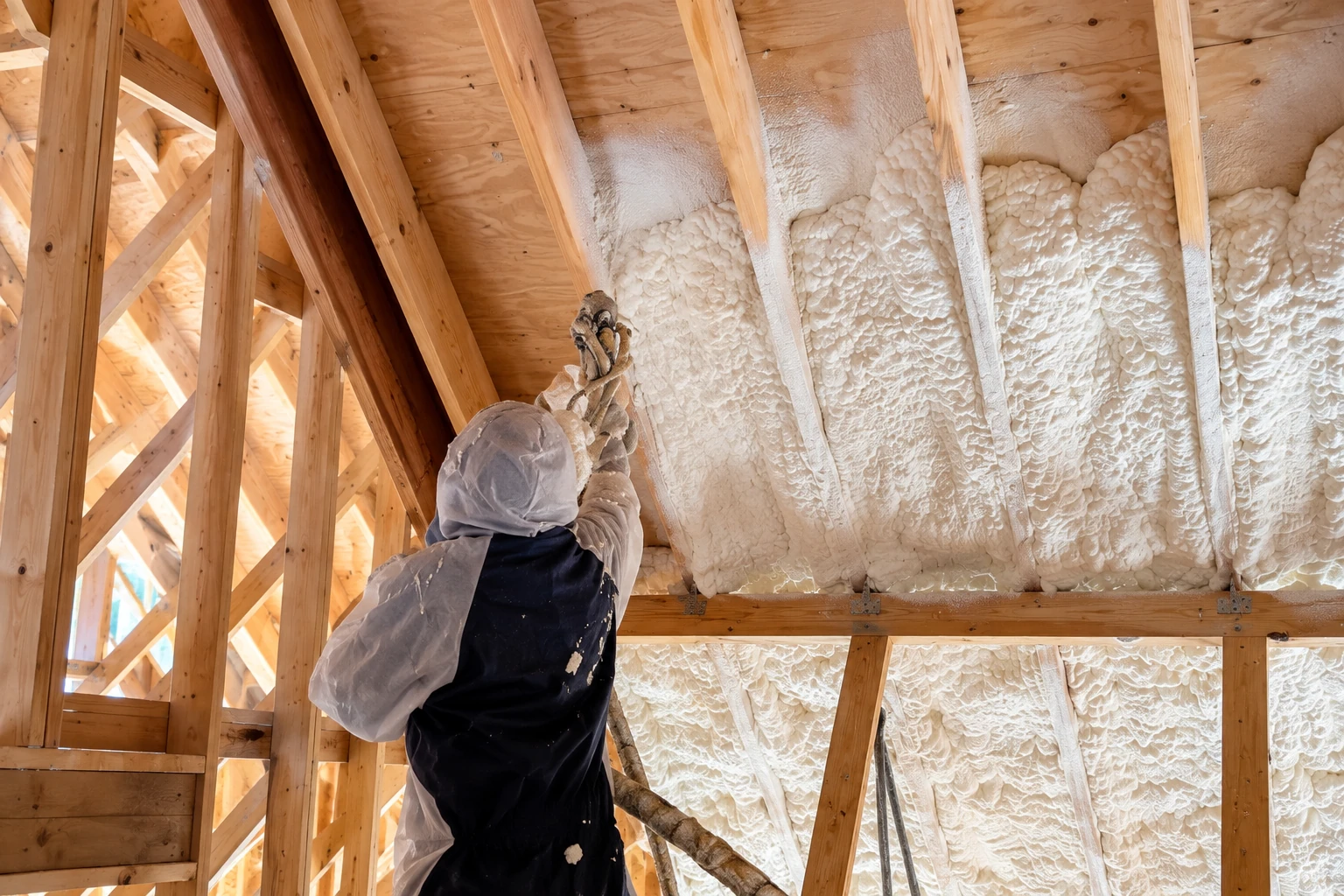
In a lot of houses the answer comes down to attic insulation, which means sealing the gaps and topping up with blown-in, loose fill blown through a hose, because it's the least disruptive way to fix a house you're living in. Spray foam insulation costs more, but it seals air while it insulates, and it's my pick when your ductwork lives up in the attic. If it doesn't, sealing and loose fill usually wins.
That room has a hot garage under it and attic space beside or above it, so I usually check both before we decide where the insulation should go.
When the AC runs all afternoon and the bedrooms still feel hot, the attic floor is where I look first, at how deep the insulation is and where air slips through.
Insulation in older houses has often settled or been walked on for years, so the inches already up there tell us whether a top-up is enough or something has to come out.
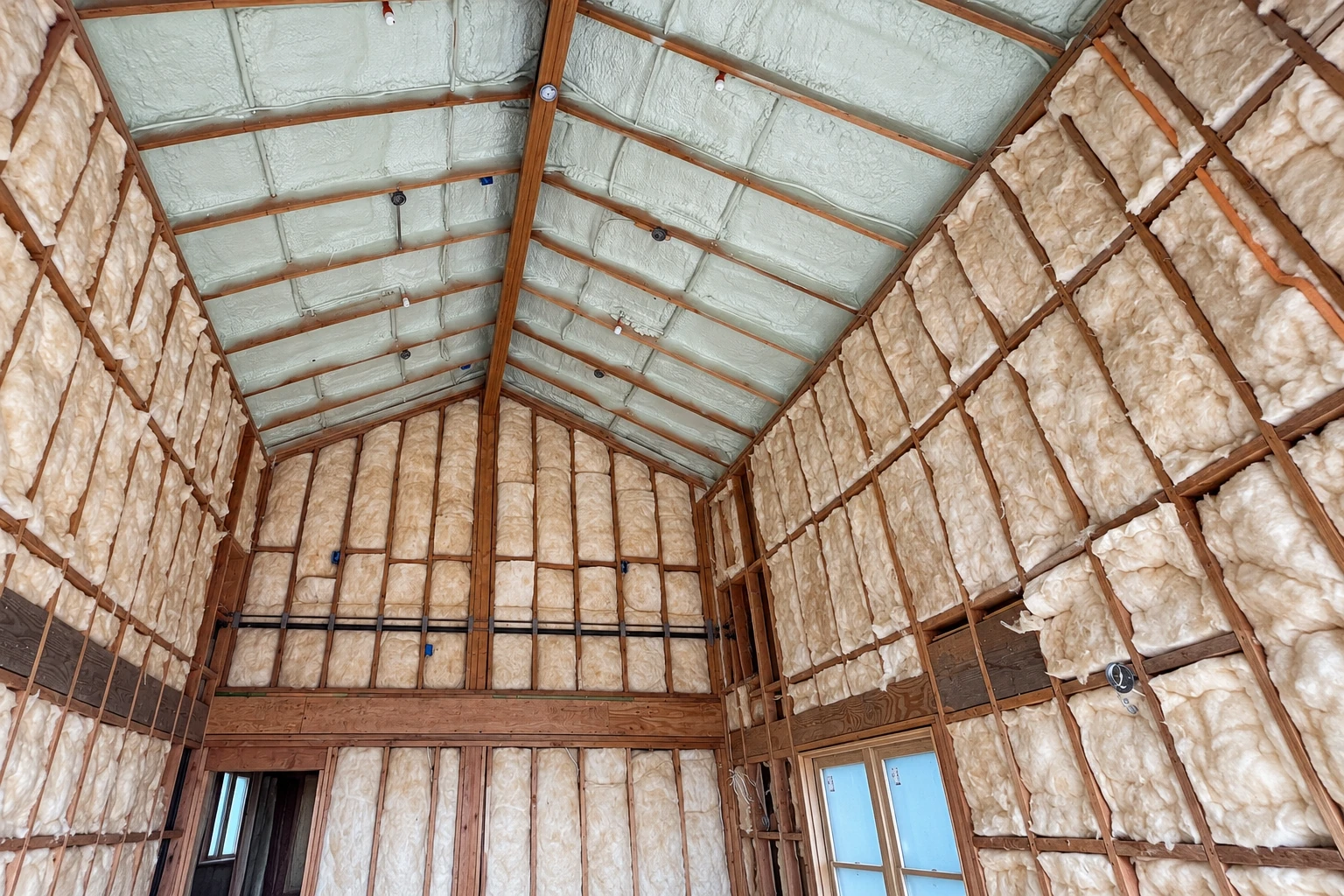
If an outside wall feels warm on a summer afternoon, there may be little or nothing inside it, and filling those cavities can matter as much as the attic does.
We'll reply within one business day to set a time. I come out, look at the attic and walls, and write up a free estimate on site, with no pressure to book.
Tell us where the hatch is, whether it's in a closet, the garage or a hallway ceiling, so I know what to bring and our installers can plan a clean path through your house.
Older houses can turn up wiring or old insulation that changes the plan, so knowing the year helps me know what to look for before I'm even up there.
Your best guess is fine, along with which rooms bother you most. I'll check it on site, but knowing where you feel it tells me where to start looking.
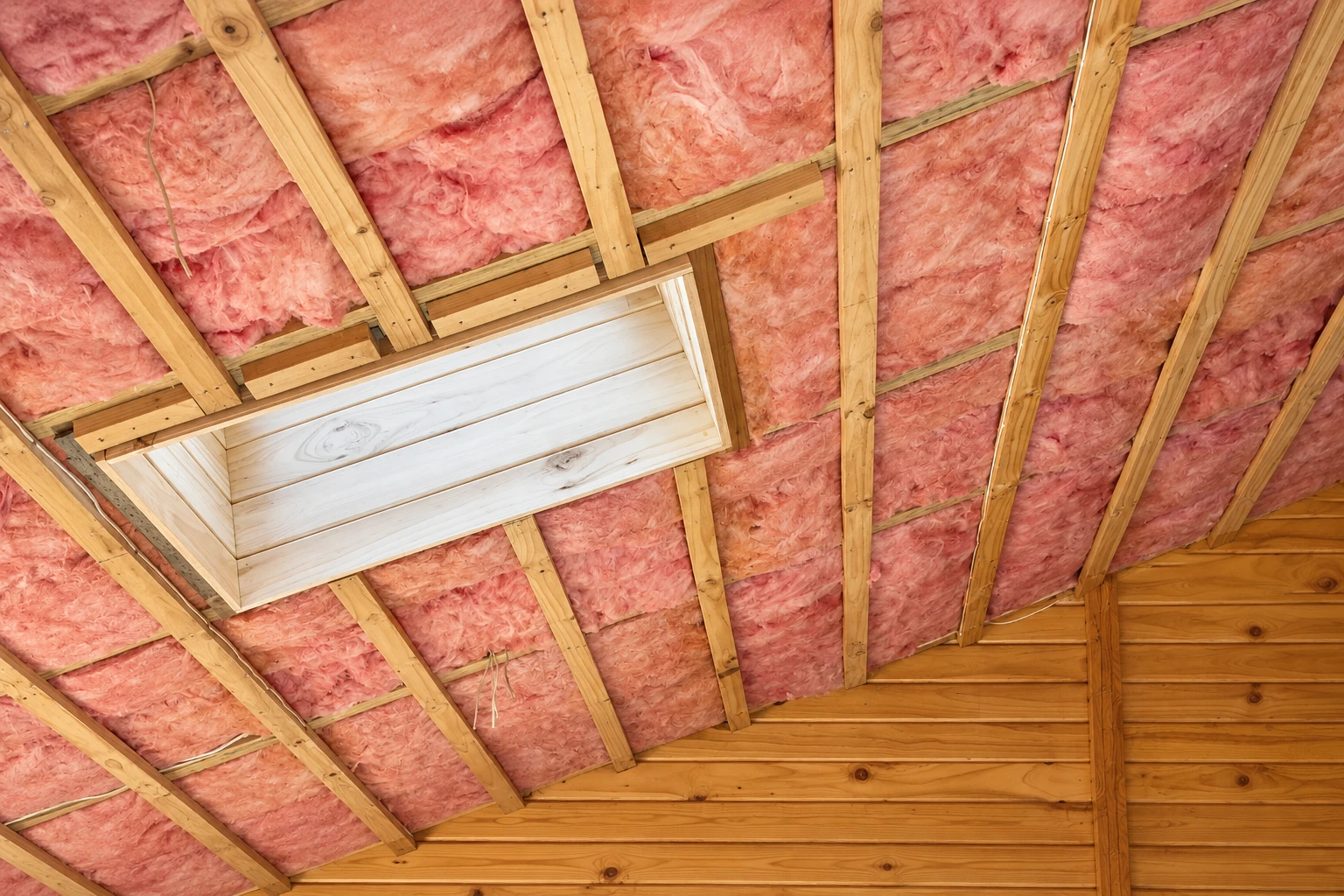
Example photos of blown-in attic floors, sealed attic openings and foam-filled framing, so you can point at what you'd like to talk about.
Straight answers to what Corona homeowners usually ask me before adding insulation to a house they already live in.
Yes. For an existing vented attic, the standard advice is to seal every opening through the attic floor first, and an insulation job is the right time to do both. It's fair to ask any crew how they'll seal those openings, whether with sealant, one-part spray foam or rigid blocking, since each one suits a different gap.
From inside is usually the better choice for the wall. Drill and fill blows insulation into each cavity through small holes near the top, and doing it from outside breaks the water-shedding layer behind the siding, which then needs patching or replacing. In homes built before 1980, lead safety rules may apply, depending on how much wall gets disturbed.
Then that part comes first, and it's a normal step, not a crisis. The standard attic checklist says insulation goes in only after live knob and tube wiring, the old wiring strung on porcelain knobs, is replaced or properly boxed. If the old insulation is vermiculite, which may contain asbestos, work stops until that's sorted out, so I check for both on my visit.
The state license that covers installing any insulating material for heat or sound control is the C-2 Insulation and Acoustical Contractor license. The state's minor work exemption for unlicensed people is $1,000, and it only applies when the job needs no permit and the person has no employees. We're fully licensed and insured.
Clear out anything stored up there that would keep the insulation from lying level and touching the attic floor. Boxes, holiday bins and old luggage are the usual suspects. If something's too heavy to move, mention it when I come out for the estimate and we'll plan around it.
Corona's plan review staff answer questions and help with plan review at 951-736-2250. We check with the city or county office for every job, since some areas we work in fall under the county, and if a permit is needed we handle the application and meet the inspector. Corona schedules inspections online for Monday through Thursday.
We're open until 11 PM on weekdays and 10 PM on weekends, so call (951) 393-1170 the evening the upstairs is too hot to sleep.