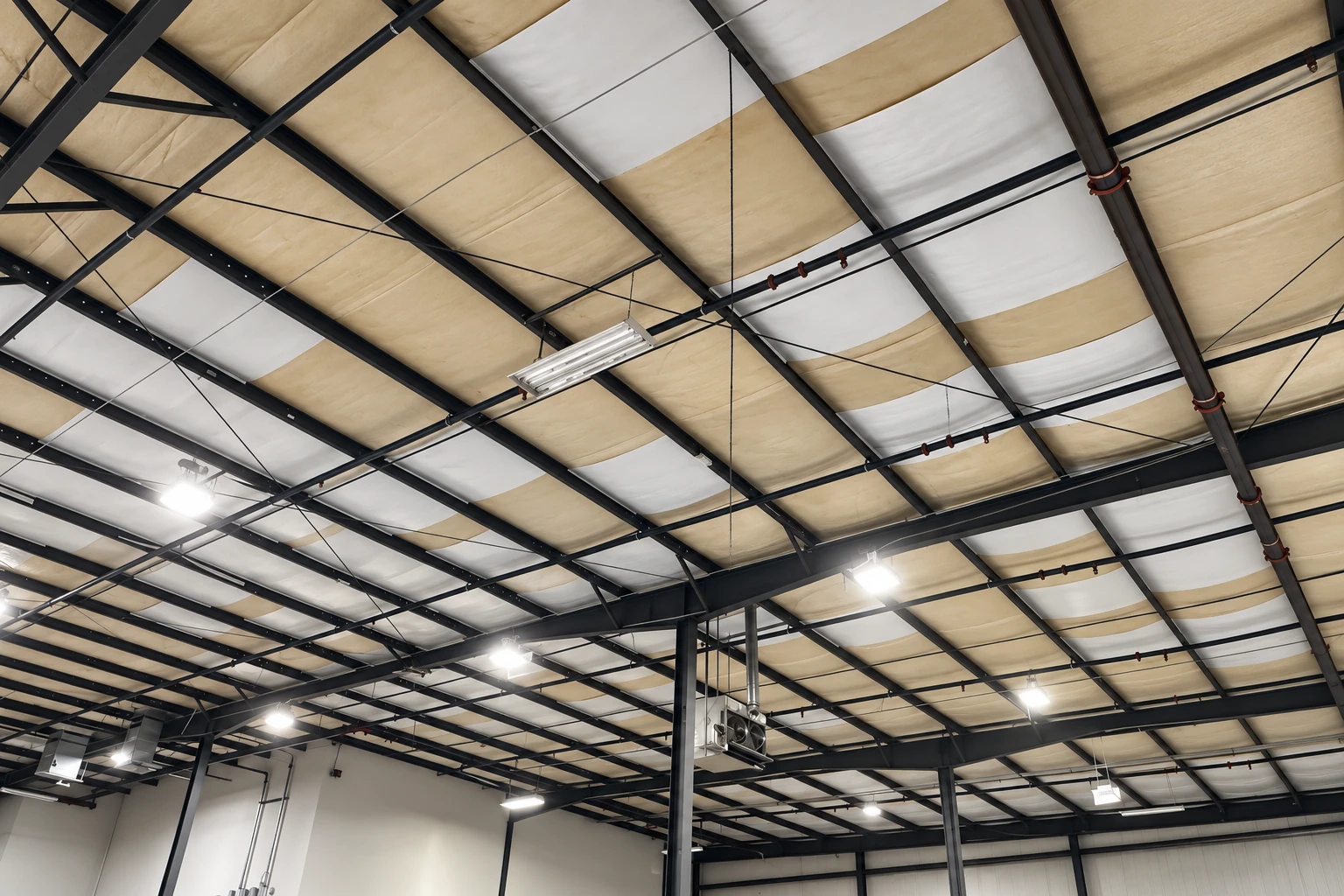
Spray foam insulation
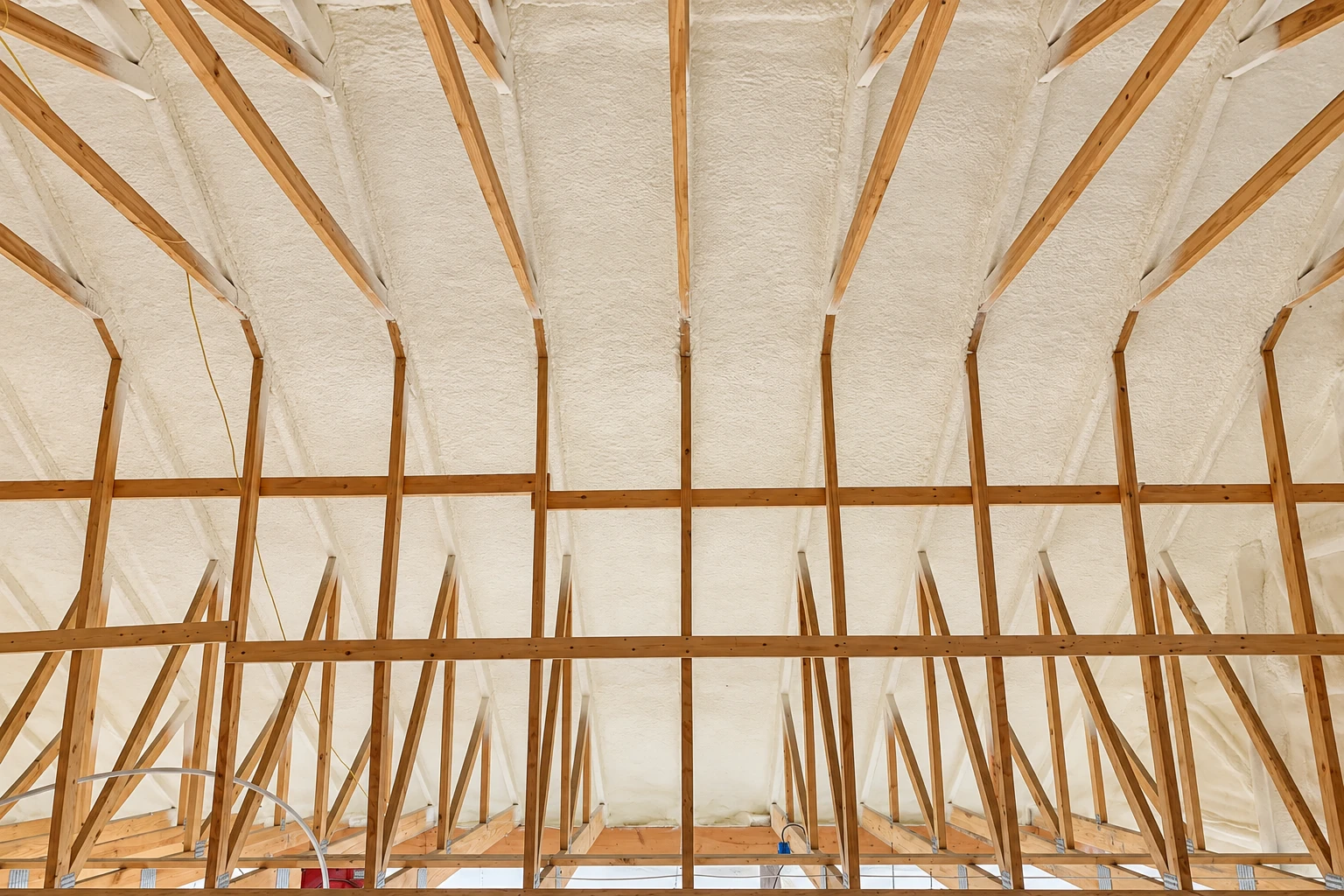
Foam sprayed onto the underside of the roof deck seals air and insulates at the same time, which earns its higher cost when your ductwork runs through a hot attic.
Truetemp Corona Spray Foam Insulation insulates and air seals attics, walls and crawl spaces in Chino, CA. We track down why one room runs hot, then fix that cause with blown-in, spray foam or sealing work.
Chino summers are long and hot. In a normal year about 99 days reach 90 degrees and 23 of them go past 100, while only about 11 nights drop to freezing, so most of the calls we get here are about heat, not cold. That usually sounds like an upstairs bedroom that never cools off, or the room over the garage that's fine in April and miserable by July. We're based in Corona, and we hear the same complaint from here out to Temescal Valley.
The price moves with the size of the attic, how easy it is to get into, how many inches are already up there and whether any of it has to come out first. The schedule turns mostly on removal and on a permit, if the city wants one. I look at all of that in person and write up the estimate, so you get a number for your house instead of a guess. With houses here running from older single-story ranches to newer two-stories, the attic decides most of the job.
I come out, climb into your attic with a flashlight and write up the estimate, so what we recommend matches what's actually up there and not what's easiest to sell.
Buried vents stop the attic from breathing and moisture ends up in the framing, so we keep them open before any new insulation goes in.
Our installers do the work with one lead installer in charge, so one person knows the plan and can answer your questions while the crew is in the attic.
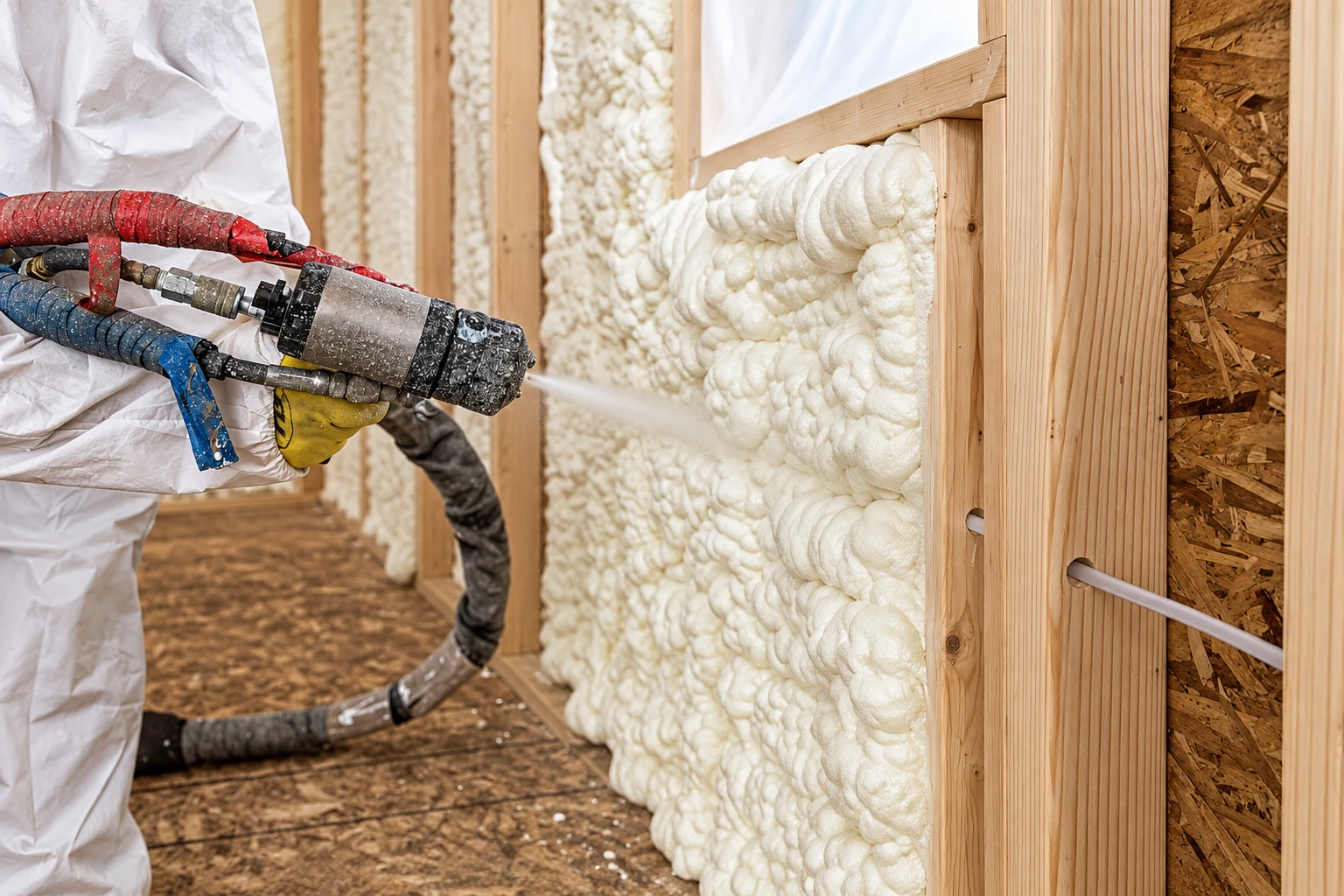
Foam sprayed onto the underside of the roof deck seals air and insulates at the same time, which earns its higher cost when your ductwork runs through a hot attic.
We check how many inches are already up there, keep the eave vents clear, then bring the edges up to match the middle, where coverage usually runs thin.
Blown-in, loose fill blown through a hose, tops up an attic quickly and settles around wiring and framing. We seal the gaps underneath first so it isn't fighting a draft.
When several rooms feel off, I go through the whole house, attic to floor, and look for the pattern before recommending anything, so you fix the cause once.
If the old insulation was soaked or full of droppings, we take it out before anything new goes in, because fresh material laid on top just keeps the problem.
On houses built over a crawl space, cold floors on winter mornings usually trace back to bare floor framing. We check the crawl for moisture, then insulate between the joists.
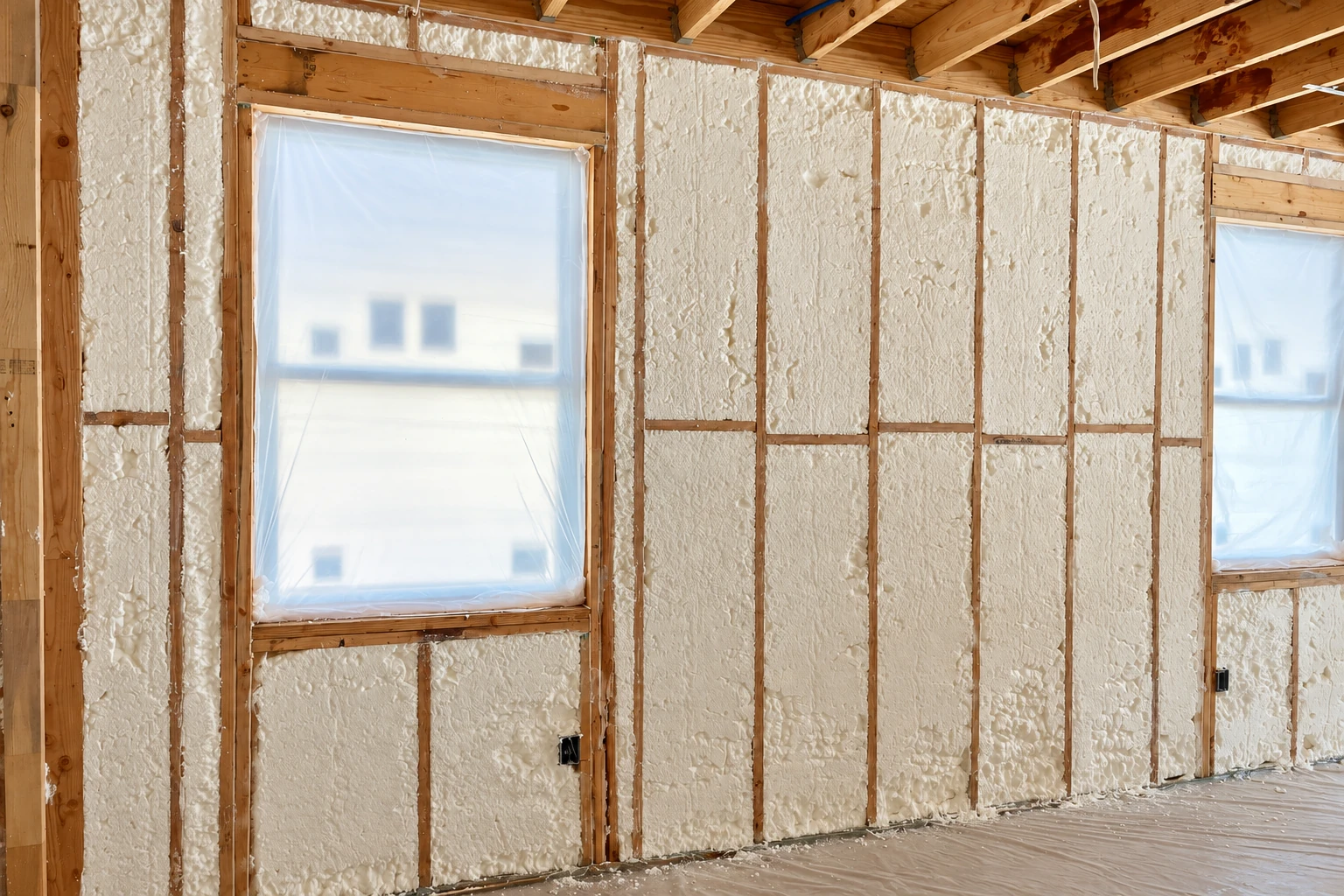
Older walls are often empty or half full, which shows up as a room that soaks up heat all afternoon. We fill them through small holes and patch them afterward.
Air sealing, closing gaps before insulating, goes after the holes around can lights, pipes and the attic hatch. It's often the smaller fix that makes the insulation you have work.
For houses with a basement or a below-grade room, we insulate the walls with materials that can handle the damp that comes through concrete, so the insulation stays dry.
Closed-cell foam, a dense foam that blocks moisture, suits crawl spaces and below-grade walls where damp is part of the problem. It costs more, so we use it where it matters.
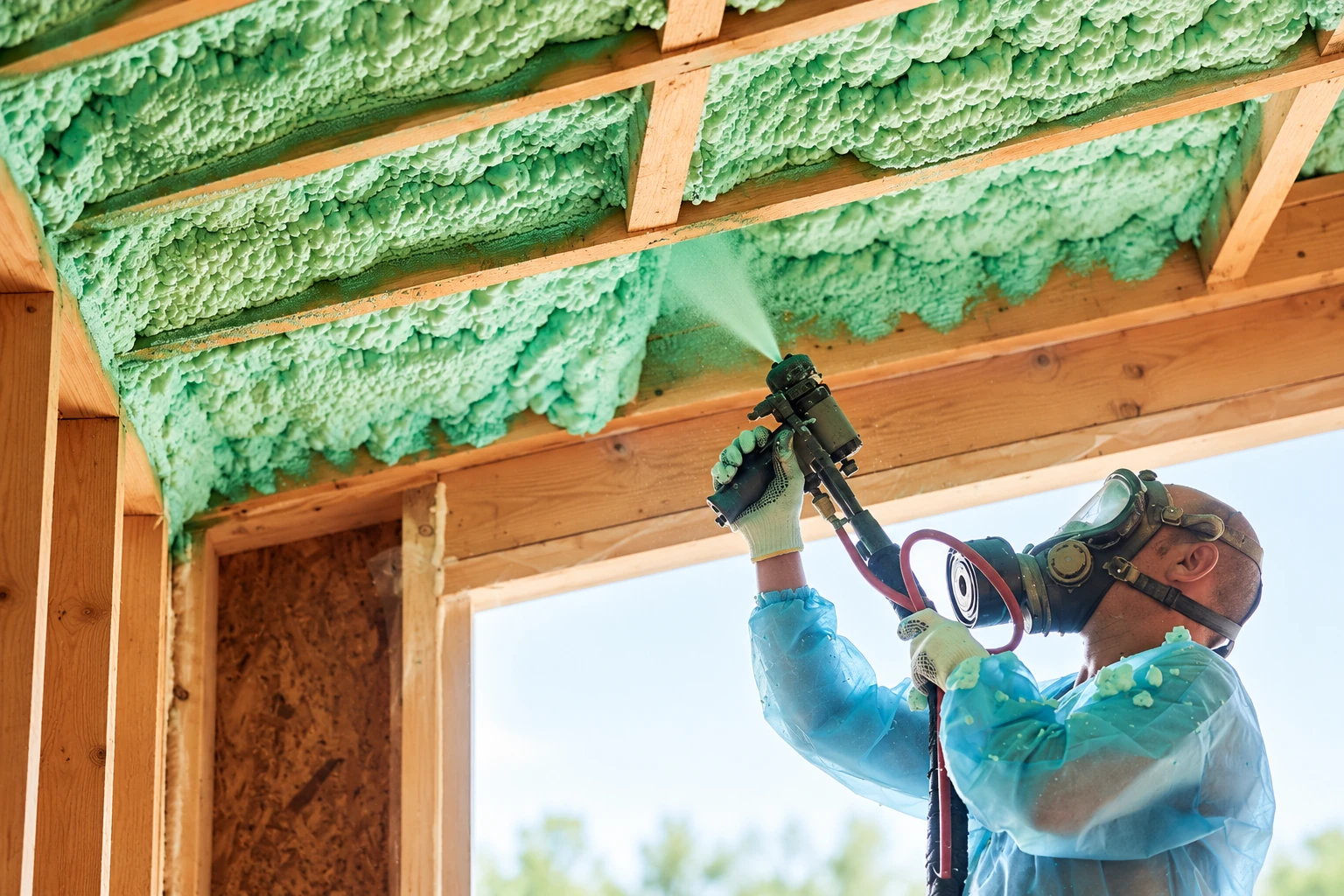
Open-cell foam is lighter and softer, a good fit for sealing a roof deck over ductwork. It also dulls sound between rooms, which helps over a noisy garage.
We insulate rentals and small commercial buildings for landlords and building owners, working around tenants and business hours so the space keeps running while we're up top.
A heavy plastic sheet over the dirt in a crawl space keeps ground moisture out of the framing and insulation above. We seal its seams and edges so it stays put.
We add vapor barriers where moisture would otherwise work into insulation, and we're careful about which side they go on, because the wrong side traps damp instead of stopping it.
Before insulation goes in, we seal the attic floor around can lights, plumbing stacks, wiring holes and the hatch, so cooled air from your house stops leaking up.
Retrofit work adds insulation to a finished house without tearing it open, through the attic, small holes in the walls or the crawl space, depending on where the gap is.
Send the form and we'll reply within one business day to set a time. I'll come out, look over your attic and write up a free estimate, with no pressure to book.
Mention the hot bedroom, the room over the garage or the cold floor, because that clue tells me where to start looking once I'm up in your attic.
If what's up there is soaked or full of droppings, I'll show you, because new material over it keeps the problem and wastes your money.
We're fully licensed and insured, and the promise behind the work is simple. Your satisfaction, guaranteed. Ask me about either when I come out.
Here's what Chino homeowners ask us most about permits, licenses and which fix fits their attic, answered the way I'd answer on site.
Ask the city's Building Division, because Chino requires a permit for all work except what the state codes exempt, and its own examples of exempt work are things like painting, carpet and tile, not insulation. We check with the Building Division for each job, and if a permit is needed, we handle the application and meet the inspector.
A Chino building permit expires 180 days after it's issued, or 180 days after work stops, according to the Building Division's guidance. The building official can grant one 180-day extension at no cost if a letter with the reason arrives before it expires. When a permit is part of the job, we plan the work around that clock.
Yes. The city requires anyone doing business in Chino to hold a city business license, and that includes contractors and service companies from out of town. It's a fair question to ask anyone you're thinking of hiring, us included, since we're based in Corona.
Under the Contractors State License Board's rules, anyone who alters a building in California needs its license when the job needs a building permit, uses any additional workers, or totals $1,000 or more in labor and materials. A crew job meets that test on its own. We're fully licensed and insured, and you can ask about it when I come out.
Sealing the gaps and topping up the blown-in usually wins on cost. Foam costs more but seals air while it insulates, so it earns its price when your ductwork runs through the attic. I'll look at what's up there and how many inches you already have before I recommend either.
Chino is one of several cities with its own page here, and we work in plenty more. If yours isn't on the list, call or send the form and ask.
Call (951) 393-1170 any day of the week or use the form, since a fall attic is a lot friendlier to work in than a July one.