
Upstairs that won't cool down
When the AC runs all afternoon and the bedrooms still feel warm, the attic is usually pushing heat through the ceiling, and that's the first place we look.
Hot upstairs rooms and a climbing power bill usually start in the attic. We find what's actually wrong, then insulate to match.
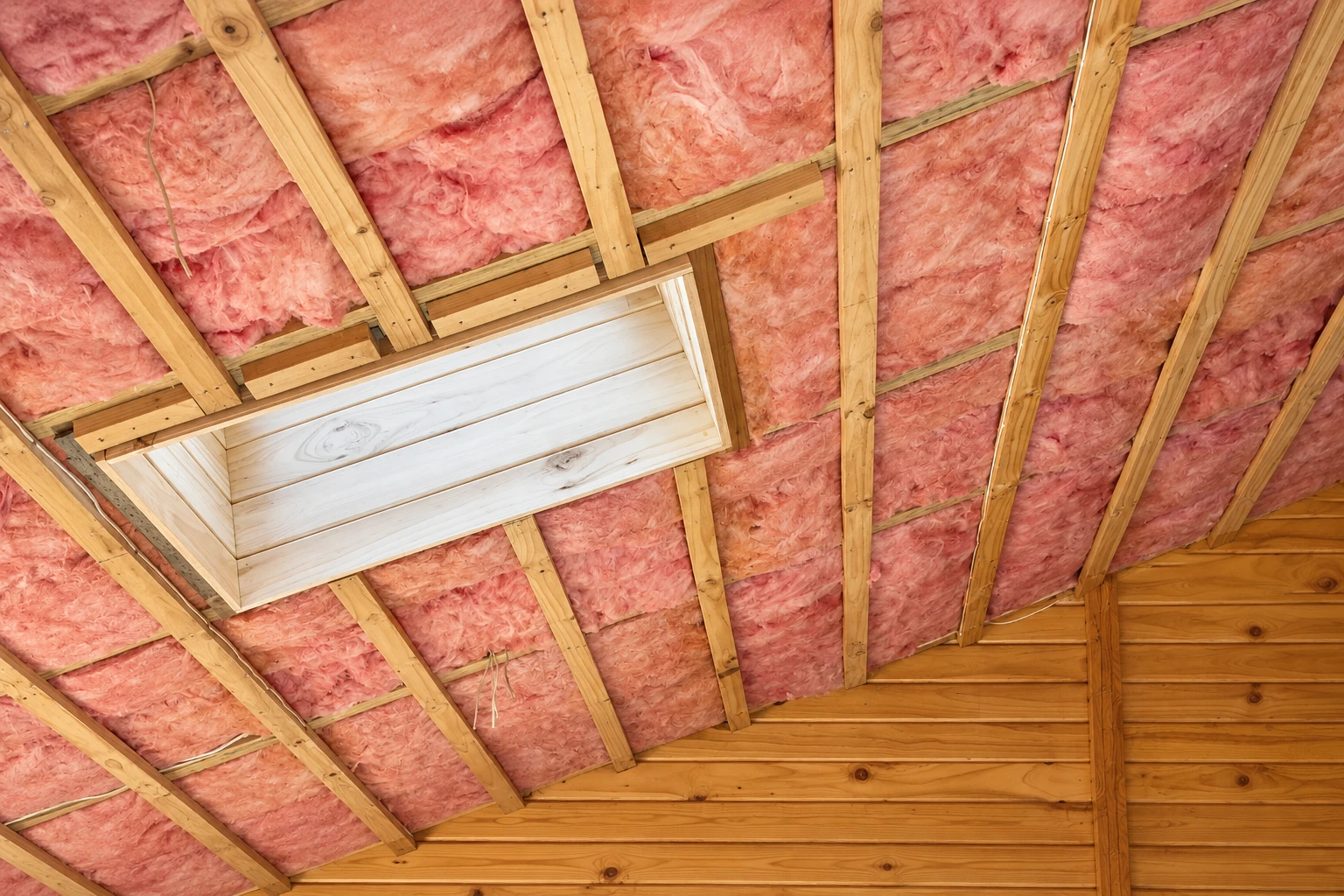
Attic insulation in Corona is a layer of insulation across your attic floor plus air sealing, which closes the gaps that let attic air leak into your rooms, so summer heat stays up there instead of coming down through the ceiling.
Most calls start with one bedroom that stays warm no matter what the AC does, or a room over the garage that's miserable by August. The price moves with the size of the attic, how many inches are already up there, the material you pick and whether anything has to be fixed or pulled out first. The schedule turns on that same prep work, so I'd rather see the attic than guess, and the estimate gives you the number for yours. We're based in Corona and work in the cities around it, from Riverside and Jurupa Valley to Chino Hills, Pomona and Yorba Linda.
I come out myself, go through the attic with a flashlight and write up the estimate, because the fix should match what's actually wrong, not whatever's easiest to sell.
We're fully licensed and insured. California's licensing board has a contractor class just for insulation work, covering anyone who installs insulation to control heat or sound in a building.
I explain what we found and what we changed in plain words, so you could tell the next person who works on your house exactly what's in the attic.
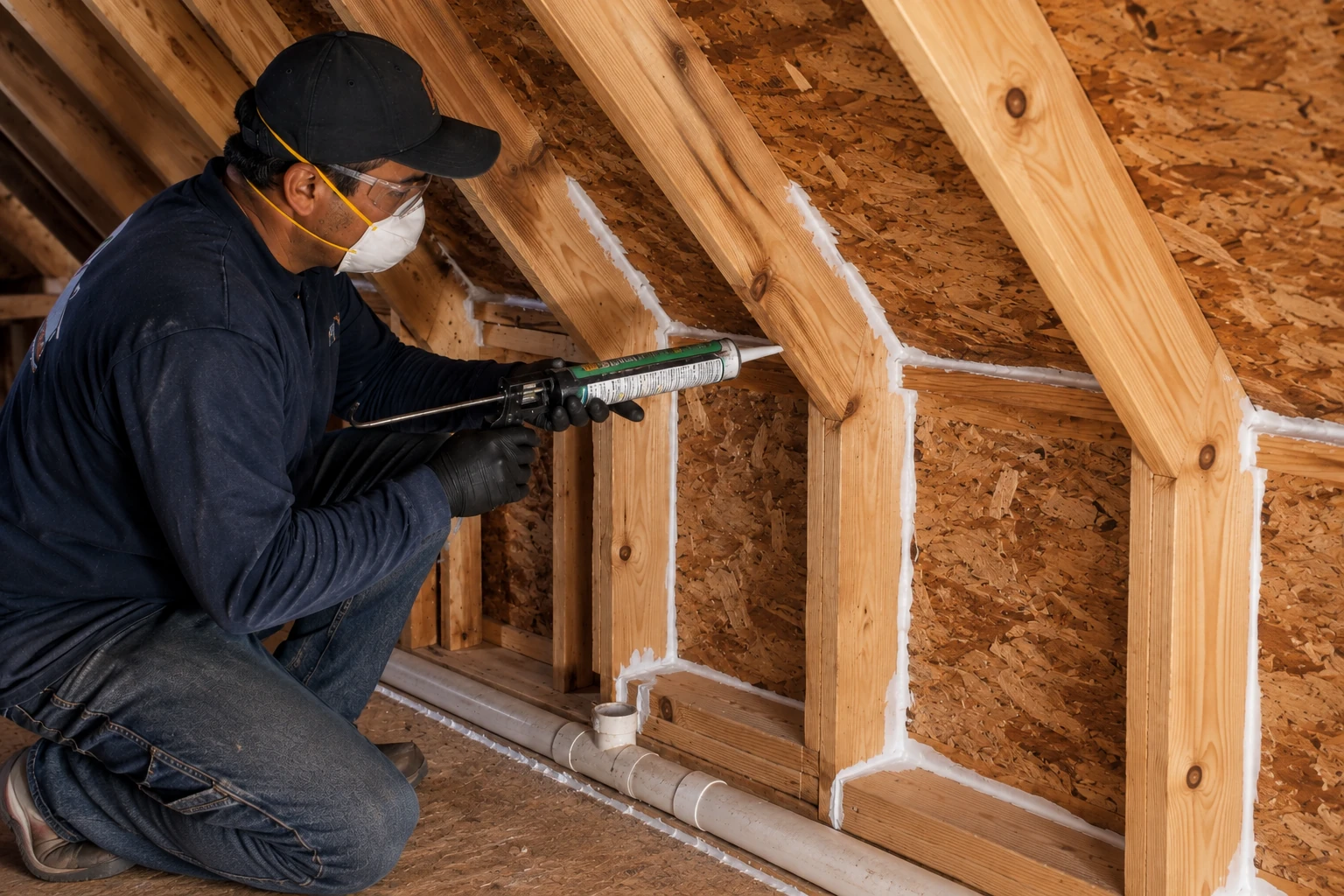
Before we add anything, I go through the whole attic looking for roof leaks, old wiring and fans that dump into the attic, because those get sorted first or the new insulation just buries the problem. Then we help you pick a material that fits the attic and the budget, and the lower cost option is often the right call. Our installers do the work with a lead installer running the job. They seal the gaps around can lights, pipes and the hatch so the insulation isn't fighting a draft, keep the eave vents clear so the attic can still breathe, and lay the material full depth out to the edges instead of piling it up in the middle.
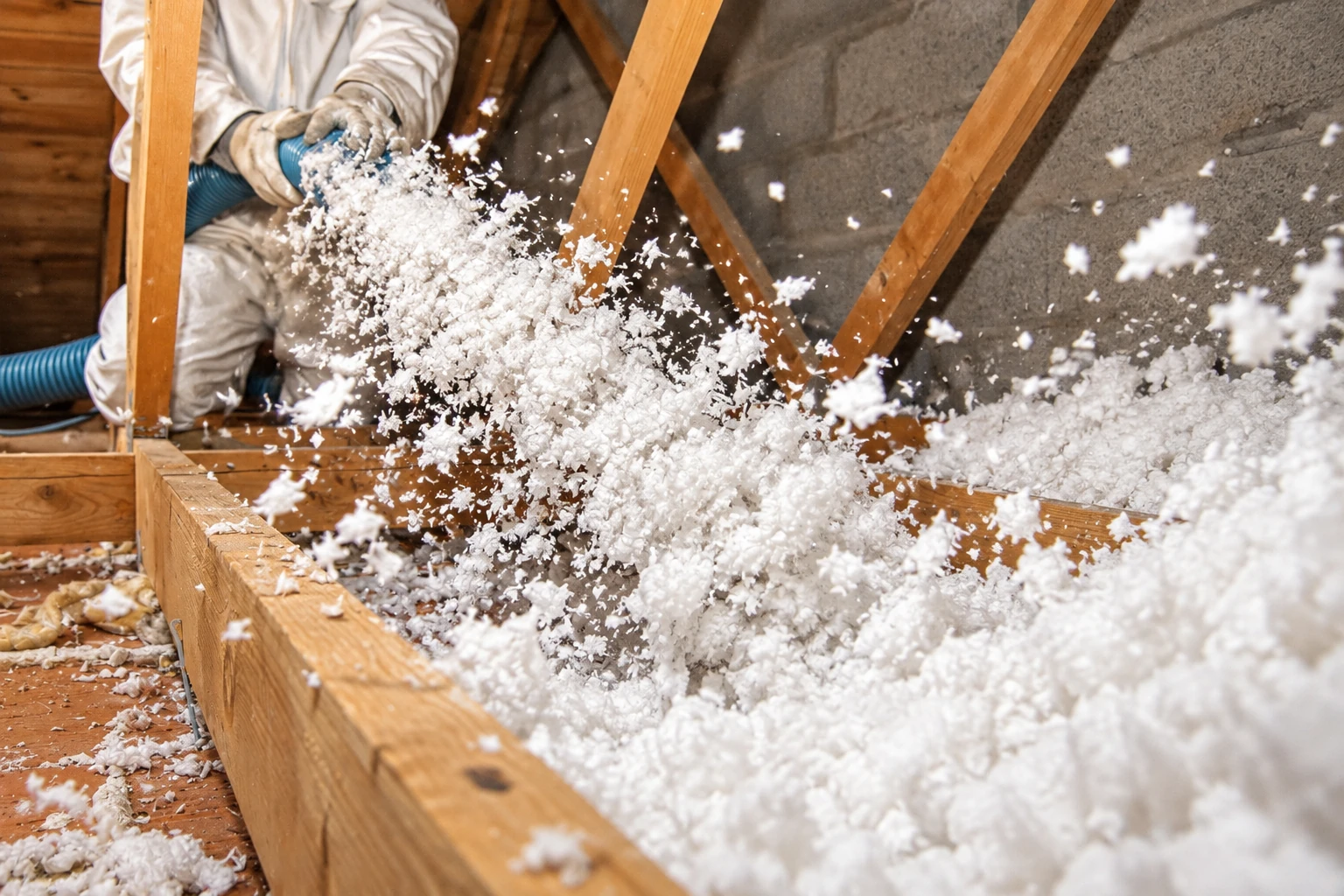
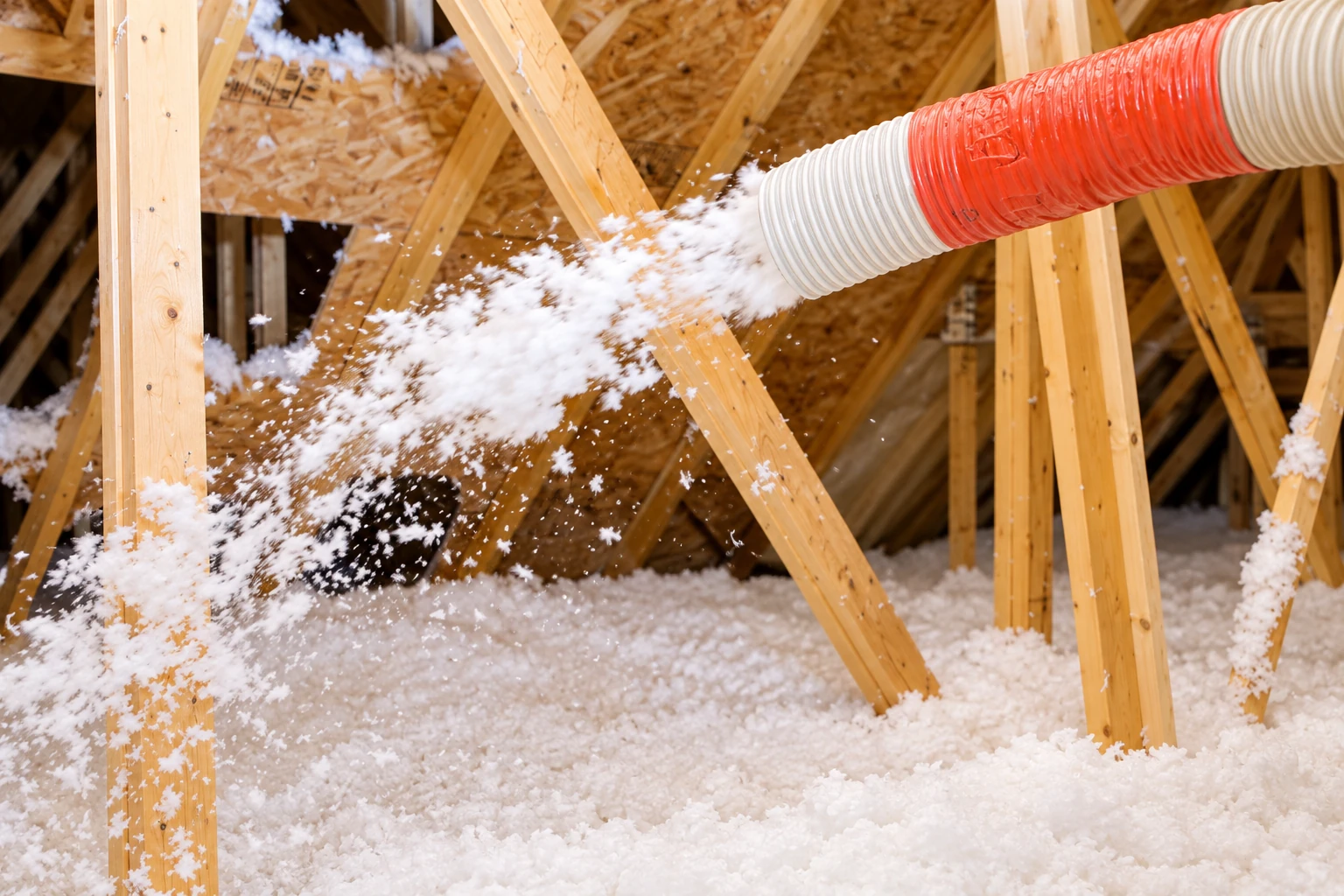
In a lot of vented attics that means blown-in insulation, loose fill blown through a hose so it settles around framing and wiring where batts leave gaps. If the drafty rooms or cold floors go past what the attic explains, we look at the walls and crawl space as part of home insulation before suggesting more work.
When the AC runs all afternoon and the bedrooms still feel warm, the attic is usually pushing heat through the ceiling, and that's the first place we look.
These rooms often sit under a thin or patchy layer with gaps at the edges, so they run hotter and colder than the rest of the house.
If you can see the tops of the ceiling joists, there isn't much up there. Material that's been soaked or is full of droppings comes out before anything new goes in.
Foam costs more but seals air while it insulates, so it can earn its price when the ducts live up there. Without them, sealing gaps and topping up loose fill usually wins.
Send the form and we'll reply within one business day to set a time. I'll come out, go through the attic and write up a free estimate, with no obligation to book.
Mention any roof leaks, old wiring, fans that vent into the attic, or gray-brown pebbly fill you've seen up there, because those shape the job before any insulation goes in.
Tell us which rooms run hot or cold and when, since one stubborn bedroom points to different clues than a whole floor that feels drafty.
Your satisfaction, guaranteed. You deal with me on the estimate and a lead installer on the job, so you always know who to ask about your attic.
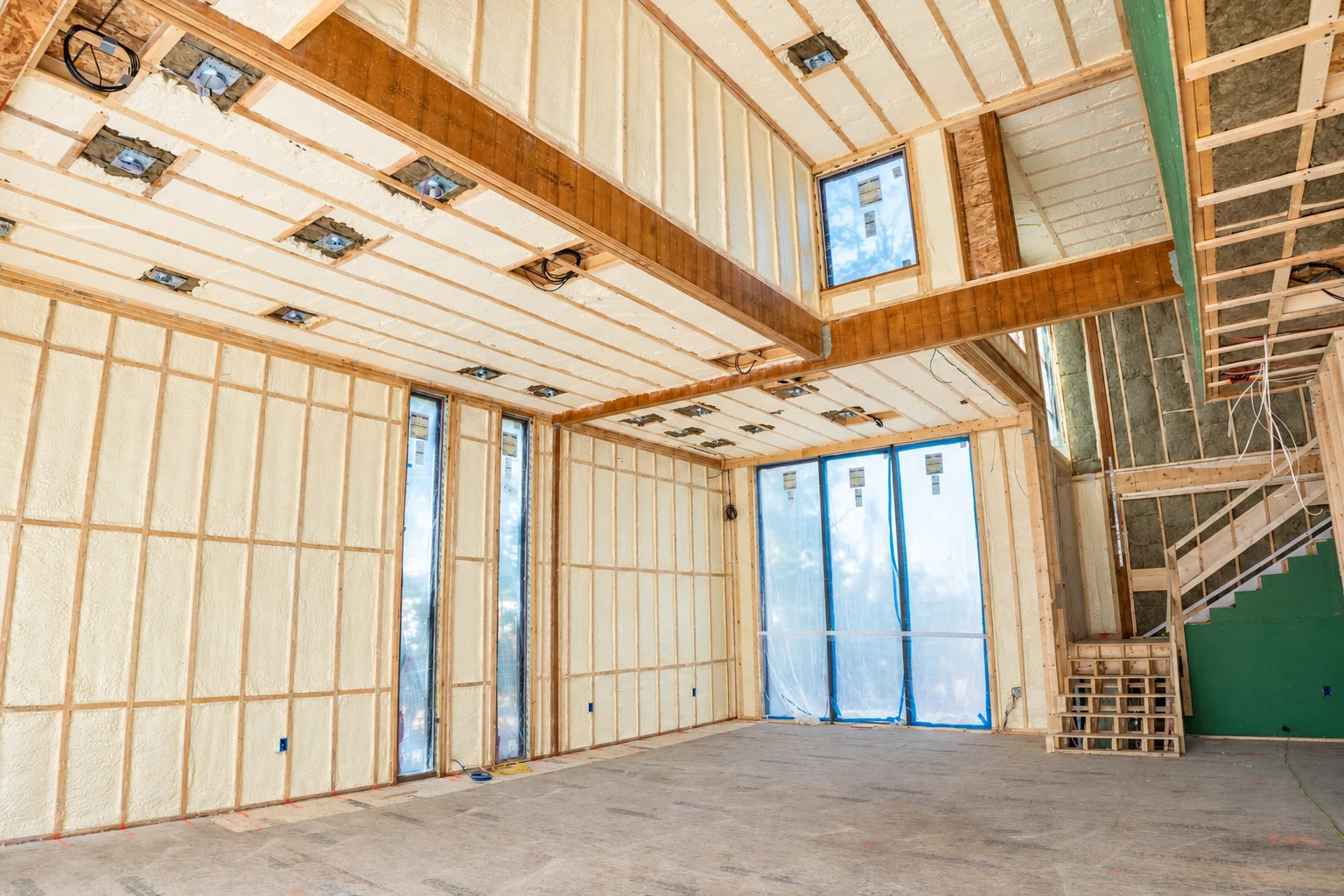
Example photos of blown-in fill, batts and sealed attic floors, to help you picture which material and depth might suit your attic.
Straight answers to what Corona homeowners ask before an attic job, from what gets fixed first to what it usually costs.
The attic is the first place to insulate, because insulation there plus air sealing can do more for comfort and the power bill than any other insulation project. Most attic jobs can be done any time of year, so you can pick the month that fits your plans and your budget.
A leaking roof gets fixed, active knob-and-tube wiring, the old kind strung on porcelain knobs, gets replaced, and bath, kitchen and dryer fans venting into the attic get rerouted outdoors, which heads off moisture and fire problems. Vermiculite fill may contain asbestos and has to be tested first. If you find it, get professional advice, and you can contact the State Department of Health.
For a vented attic insulated at the floor, loose-fill fiber or fiberglass batts are a sound place to start, and they're the least expensive types of insulation. Some shallow attics leave no room for regular insulation, and there a radiant barrier alone, a reflective sheet that turns back the sun's heat, may be the best choice.
Attic insulation in the Riverside area usually costs about $1,500 to $5,000 per job. Where yours lands depends on the attic's size, what's already up there and any fixes needed first. If your household meets the CARE or FERA income limits, you can get attic insulation at no cost through the Energy Savings Assistance Program.
Yes, stored boxes and anything else up there come out first, so the insulation can lie level and touch the attic floor. It's also fair to ask whether wiring junction boxes will be flagged so they show above the new layer, and whether baffles, short chutes that keep air moving, go in at every vented soffit.
Call (951) 393-1170 or use the form and name the room that gives you trouble, so I know where to start looking.