Ducts running through the attic
When the ductwork lives in a hot attic, foam under the roof brings that space closer to the temperature of the house, so the cooled air in those ducts isn't fighting the heat.
Hot upstairs, drafty rooms or noise through the ceiling? We spray a soft foam that seals the gaps and quiets the house while it insulates.
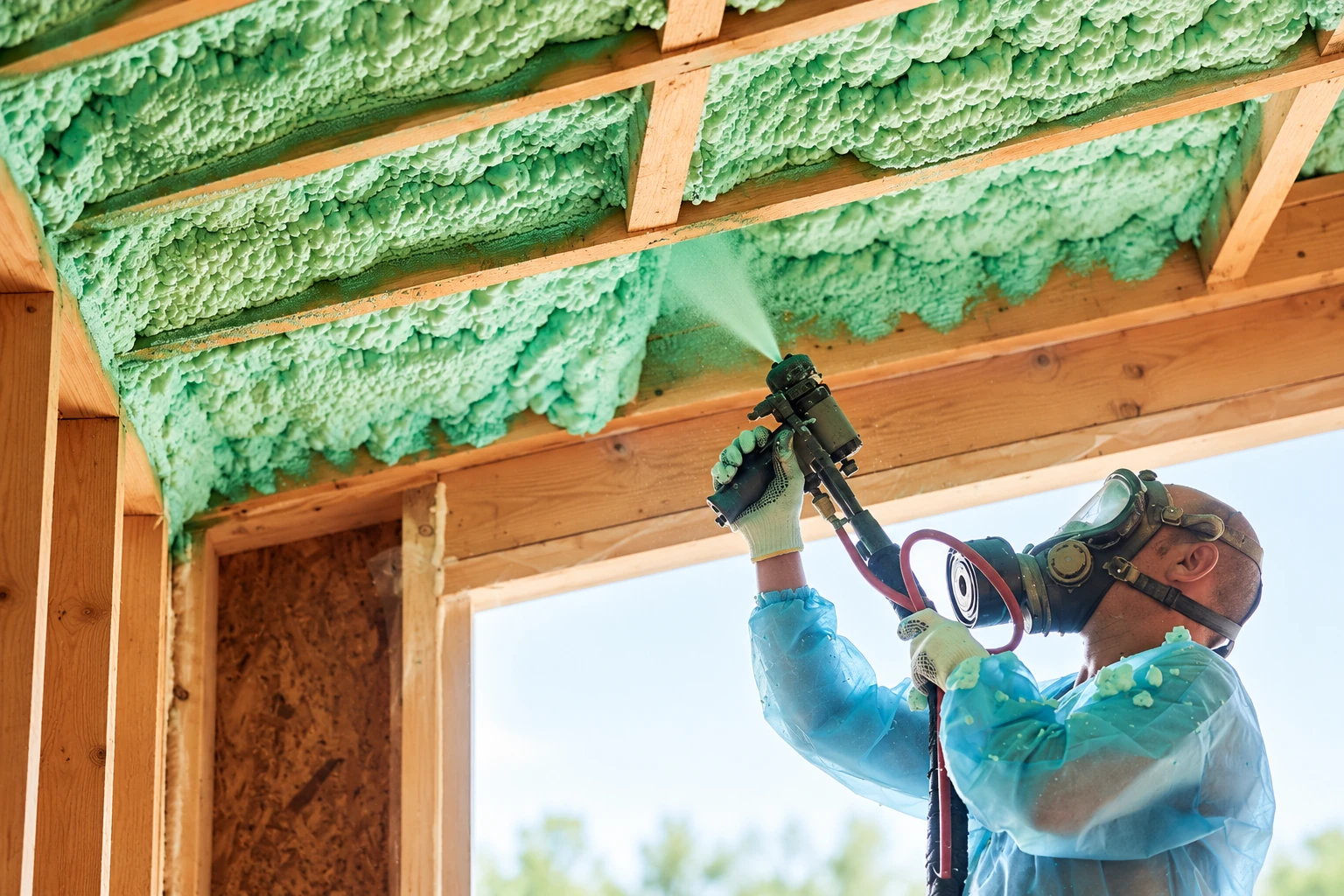
Open-cell foam insulation is a soft, porous spray foam we apply in attics, walls and ceilings in Corona, CA, and once it's thick enough it stops air leaks while it slows heat and softens sound. We're based in Corona and work in the cities around it, from Riverside and Jurupa Valley to Chino Hills, Pomona and Yorba Linda.
Most calls start with a room that won't cool down, usually the room over the garage or a hot upstairs, and the first job is working out why. The price moves with how many square feet we spray, how thick, how easy the space is to get into and whether old insulation has to come out first. The schedule turns mostly on that prep and on the time your household needs to be out of the house, so I come out, look at the space and write up an estimate for your house.
California has a license classification for contractors who install insulation to control heat or sound. We're fully licensed and insured for the work we do in your house, and you can ask me about it on site.
I come out myself to look at the space and write up the estimate, and a lead installer runs each job, so the plan I wrote is the plan the crew follows.
Foam costs more, and it earns that when your ducts run through the attic. If they don't, sealing the gaps and topping up blown-in insulation usually does the job, and I'll say so.
I start with a flashlight in your attic, checking how many inches are already up there, how old the house is and whether the old insulation is soaked or full of droppings, because new material over a bad layer keeps the problem. If that layer has to go, insulation removal comes first. Open-cell is a good fit when quieter rooms matter more to you than packing the most insulation into every inch, and if it's going under the roof deck, we work out with you how that attic will deal with moisture before we spray anything. Then our crew covers what shouldn't get foam and sprays to full depth around can lights, pipes and the hatch and all the way out to the edges, where coverage usually comes up thin. We trim the excess, clean up and walk you through what we did, so you can explain it to the next person who works on your house.
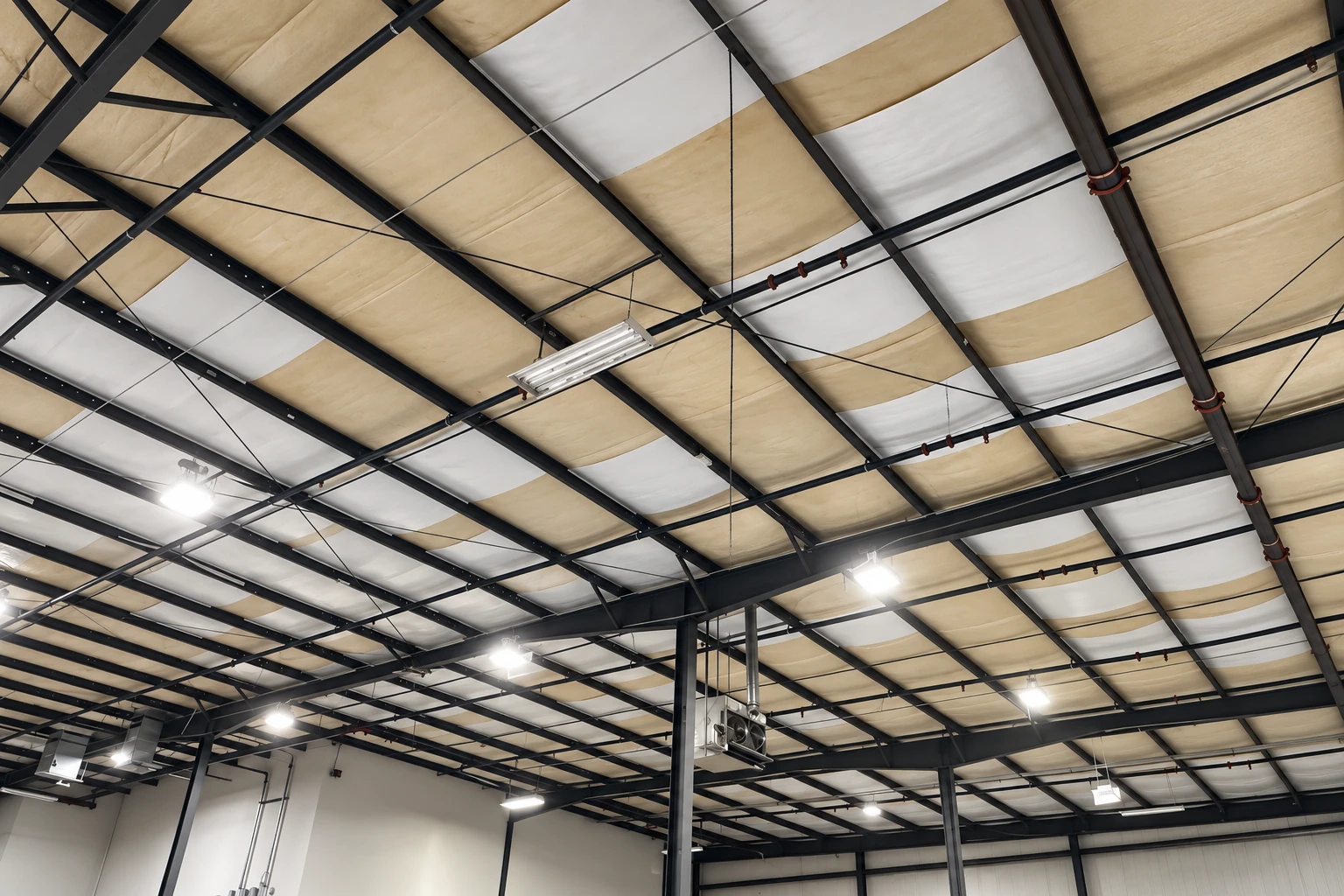
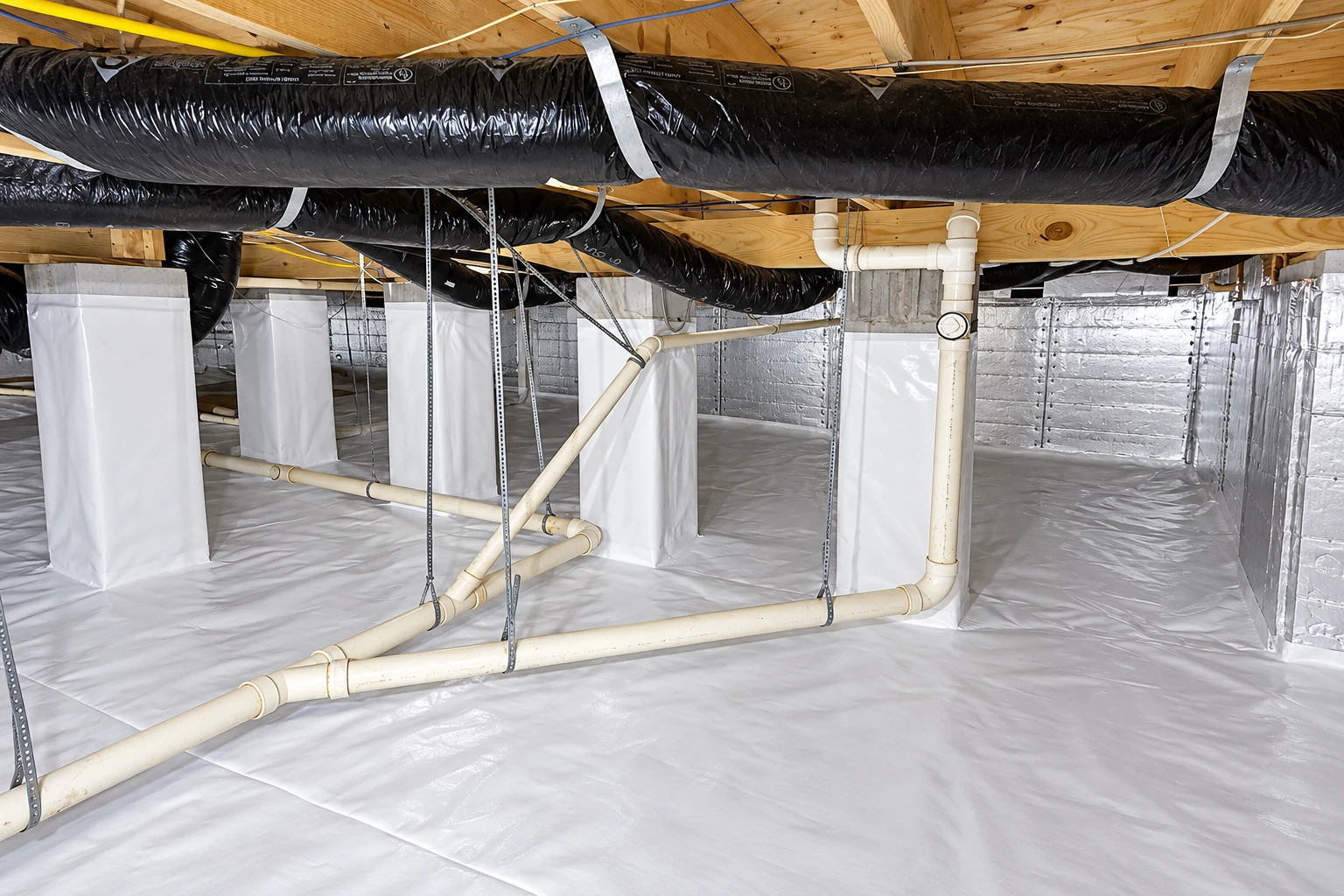
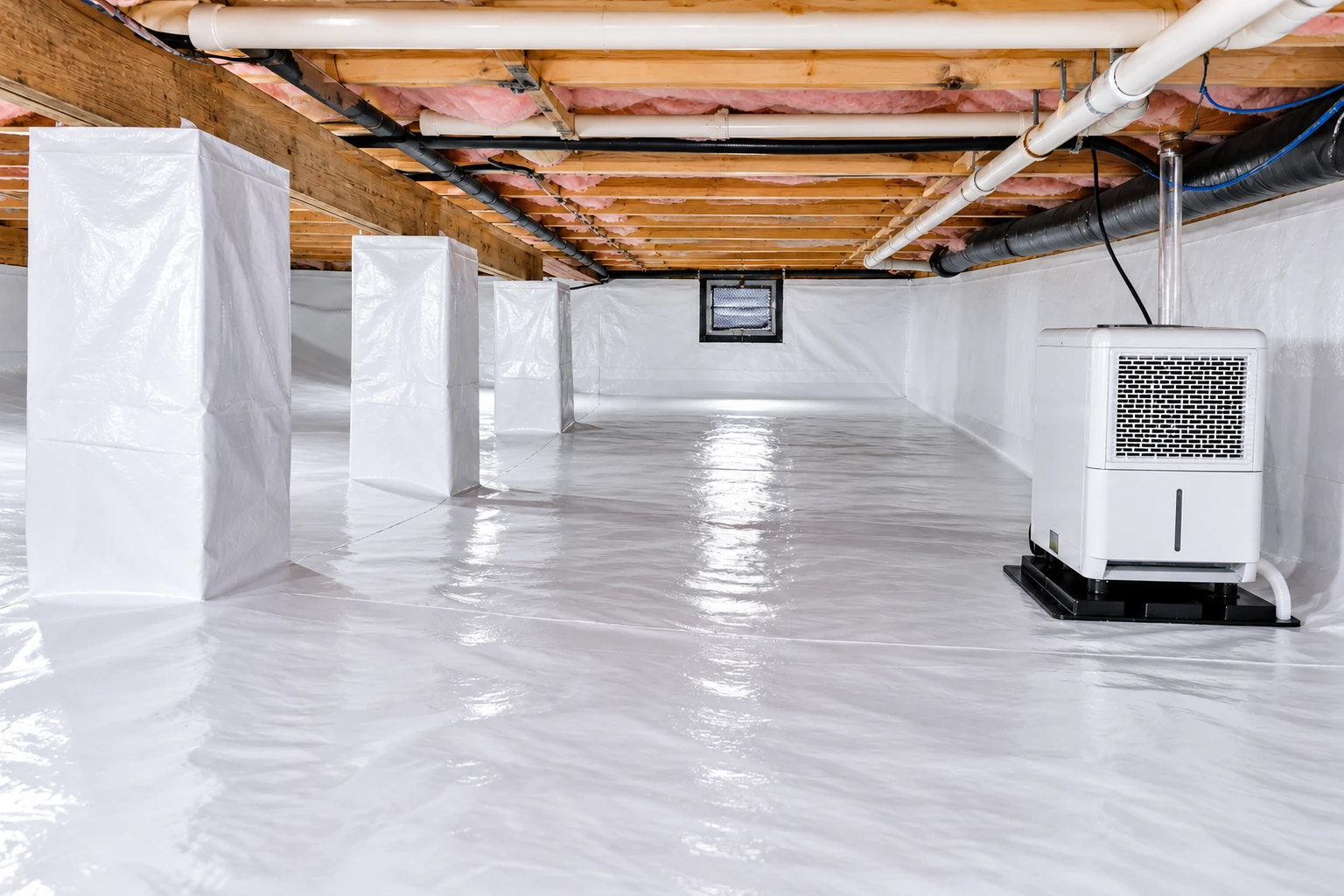
Open-cell lets moisture pass, so it's rarely what we'd put under a damp floor, and there we'd rather lay a crawl space vapor barrier to keep dampness off the framing. Landlords and small building owners call us for the same foam in rentals and offices, which we cover under commercial insulation.
When the ductwork lives in a hot attic, foam under the roof brings that space closer to the temperature of the house, so the cooled air in those ducts isn't fighting the heat.
That room usually has thin insulation and gaps you can't see, which is why it stays hotter than the rest. Foam fills the cavities and seals the leaks in one pass.
The soft, open foam softens sound between rooms and floors, so it's worth picking for a bedroom or office wall even when you could fit more insulation per inch another way.
Sprayed foam swells into corners and around pipes and wires where batts and loose fill leave openings, so the insulation isn't fighting a draft coming through the gaps.
Send the form and we'll reply within one business day to set a time. I come out, look at the space and write up your estimate on site, free and with no pressure to book.
Note roughly how big the attic or area is and whether the attic has vents, because that tells me early whether we're planning a sealed attic and how to handle its moisture.
If someone at home has had skin conditions, respiratory allergies or asthma, tell us up front, because those households should review the product information first and may want a different insulation.
If you have a question only the city can answer about your house, Corona's Planning & Development office takes calls at 951-736-2250, Monday to Thursday.
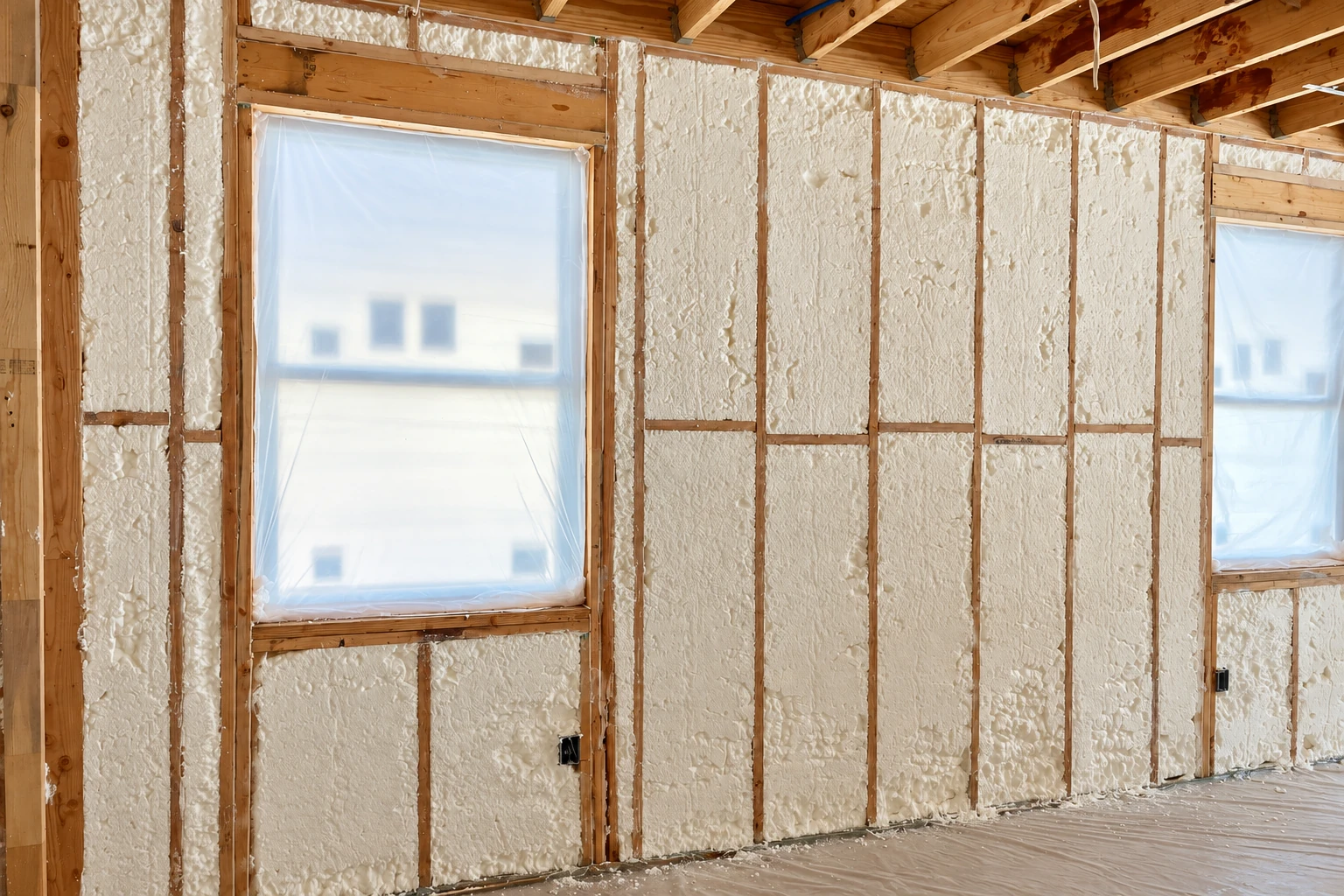
These photos show roof deck, wall cavity and trimmed foam finishes worth talking through when we look at your house together.
Straight answers to what people ask about open-cell spray foam, from how it compares with closed-cell to when you can come home.
Open-cell is the softer foam that quiets a room better, and closed-cell is the denser one that packs more insulation into each inch. Open-cell rates R-3.8 per inch and closed-cell rates above R-6.5, R-value being how well insulation slows heat. Only closed-cell foam also works as a vapor barrier, so you're weighing quiet against depth and moisture control.
It usually is, and one foam maker's guide names southern and milder climates as the best fit for open-cell. Nearby Riverside sits in a climate zone with heavy seasonal cooling demand, so around here most of what insulation does is keep cooled air inside through the hot months. If moisture is the bigger worry, closed-cell may suit better.
Yes, it needs a way to get rid of moisture, because open-cell foam lets water vapor through and a sealed attic has no vents to carry it off. Some foams also need a coating or drywall over them when the product or code calls for one. On the plus side, sealed attics are significantly more fire safe in wildfire areas, since embers get in through attic vents.
Yes, everyone in the house should be out while the foam goes in, and we set that timing with you ahead of time. Some makers advise waiting 24 hours before moving back in, but it varies by product. Plan a stay elsewhere, and get that product's own re-occupancy time from its maker or supplier. We'll tell you which product we're using.
In Riverside, open-cell foam usually costs about $1,900 to $2,900 for 1,000 square feet sprayed 3 inches thick. That's the going rate in the area, not our quote, and your own figure depends on the things that move the price for your house. I'll write that number up when I come out, and our promise is simple. Your satisfaction, guaranteed.
Yes, but tell them it's spray foam before they start, because heating or grinding it can give off toxic emissions. Torches and grinders are the part to warn them about. I'd rather you know what's in your attic and walls well enough to explain it to whoever works on your house next.
Call (951) 393-1170, open seven days into the evening, and we'll sort out whether open-cell, closed-cell or a smaller fix fits your house.