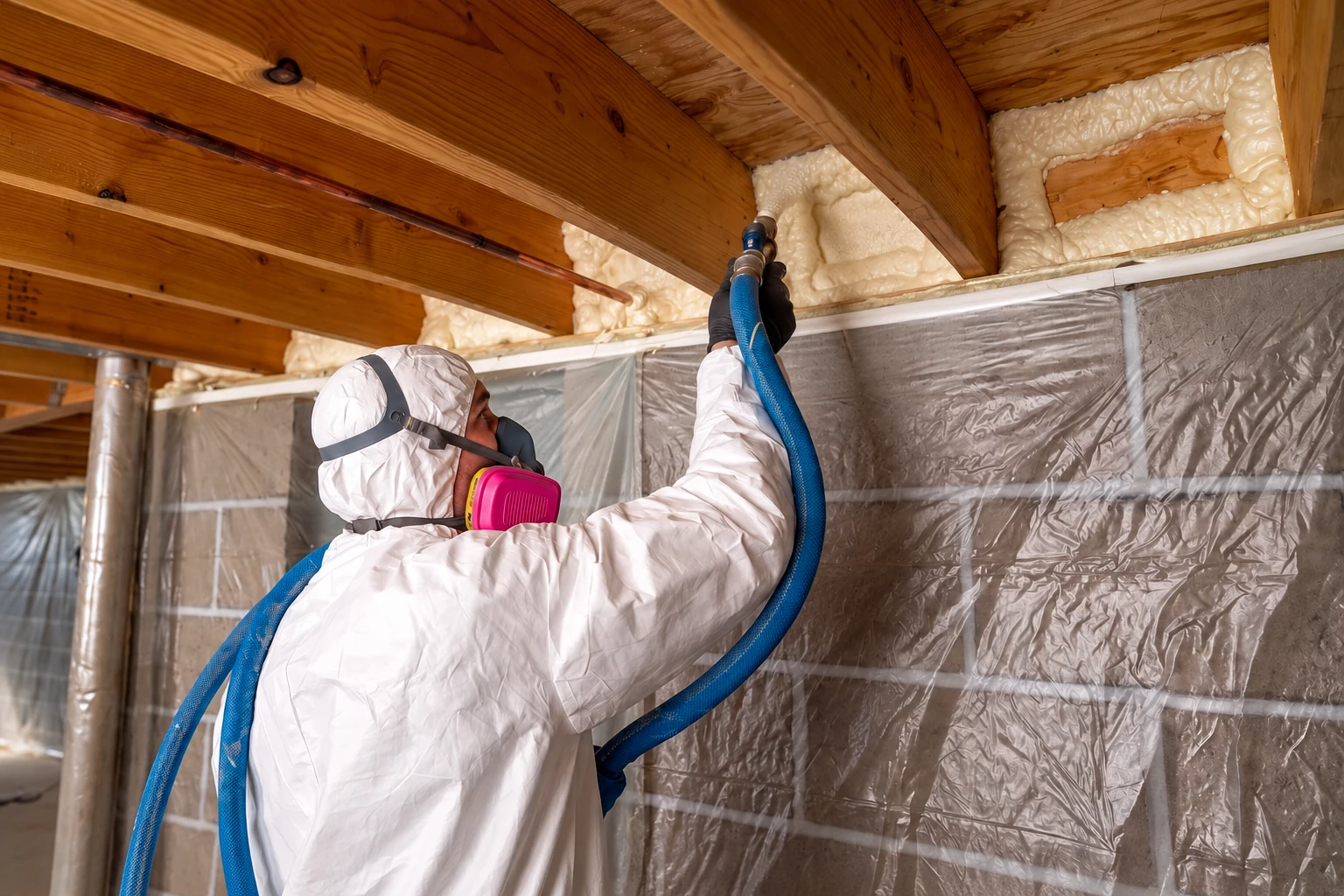
Spray foam insulation
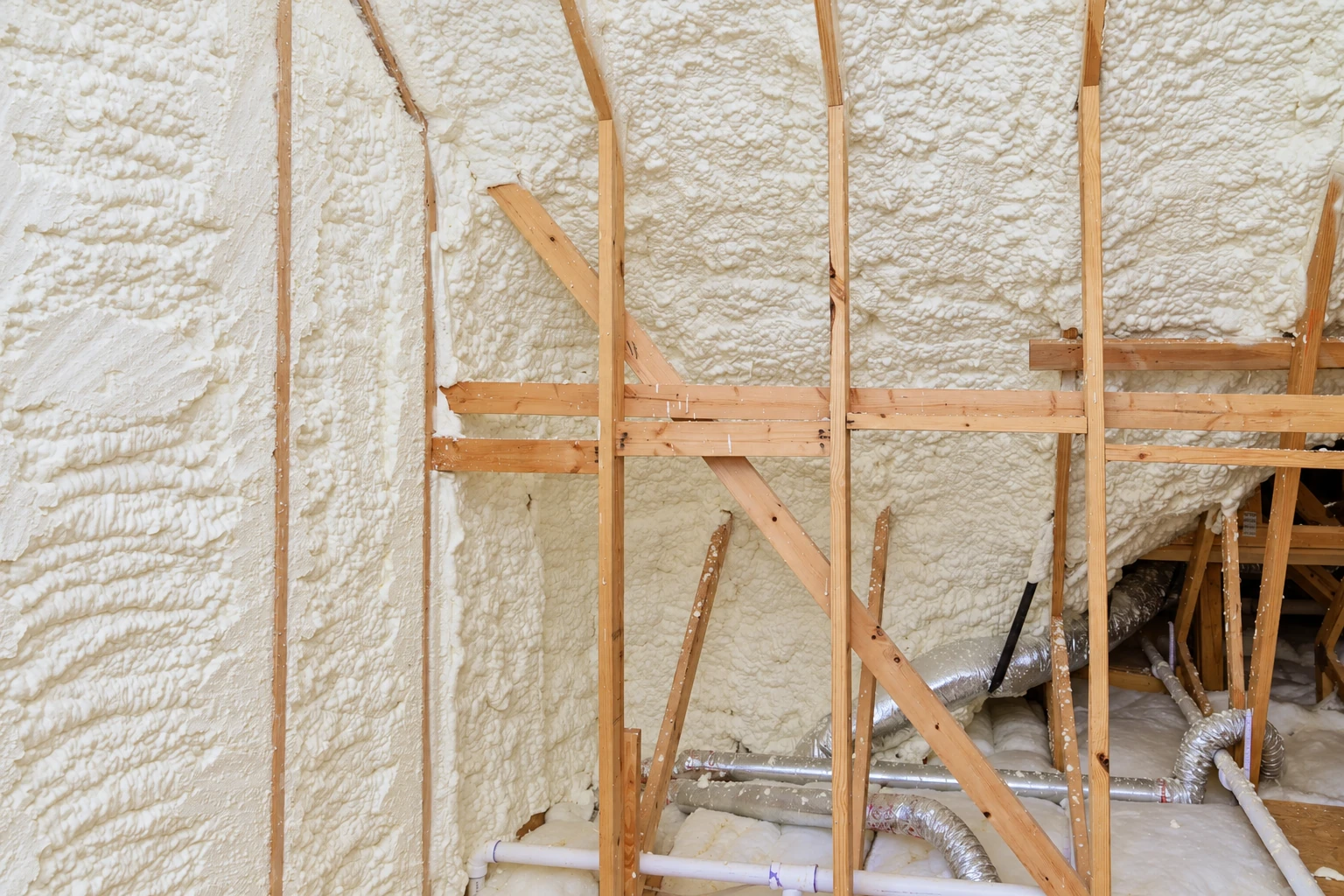
Spray foam insulates and seals air in one pass, which makes sense in a Norco garage, workshop or converted room with odd framing that loose fill can't cover well.
Truetemp Corona Spray Foam Insulation insulates attics, walls and crawl spaces in Norco, CA. I come out, find where the heat and drafts are getting in, and our crew seals and insulates to fix that.
Norco is its own city, so if your job needs a permit, it comes from the city. The price mostly turns on how much attic there is and how easy it is to reach, what's already up there and whether it has to come out, how many gaps need sealing, and whether foam or loose fill fits the problem. Old material to remove, a permit or a hard-to-reach attic can stretch the schedule, and the estimate I write after looking gives you your own number.
A lot of Norco is single-story ranch houses on wide lots, many with a detached garage, a workshop or a barn that someone now wants to stand in during July. The calls sound a lot like the ones we get in Corona and next door in Eastvale: the back bedroom that never cools, the room over the garage, a power bill that climbs every summer. A one-story ranch house means a long, low attic that pinches down at the eaves, which is right where insulation tends to run thin and vents get buried, so that's where I point the flashlight first.
I come out myself to look and write the estimate, and a lead installer runs each job, so the plan comes from what I found up there and not from a guess over the phone.
If what's up there is soaked or full of droppings, new material on top just buries the problem, so we take it out before anything new goes in.
We check with the city on every Norco job, and if a permit is needed, we handle the application and meet the inspector, so you aren't stuck in the middle.
Spray foam insulates and seals air in one pass, which makes sense in a Norco garage, workshop or converted room with odd framing that loose fill can't cover well.
Most Norco calls end up in the attic. We measure how many inches are already up there and check its condition before choosing between topping it up and starting over.
Blown-in is loose fill blown through a hose. It's a good match for long, low ranch attics, and we keep it as deep at the eaves as in the middle.
When the whole house runs hot or drafty, we look at the attic, walls and floors together, so the money goes where the heat is actually getting in.
Old insulation that's wet, flattened or full of droppings gets bagged and vacuumed out, because laying new material over it keeps the smell and the problem.
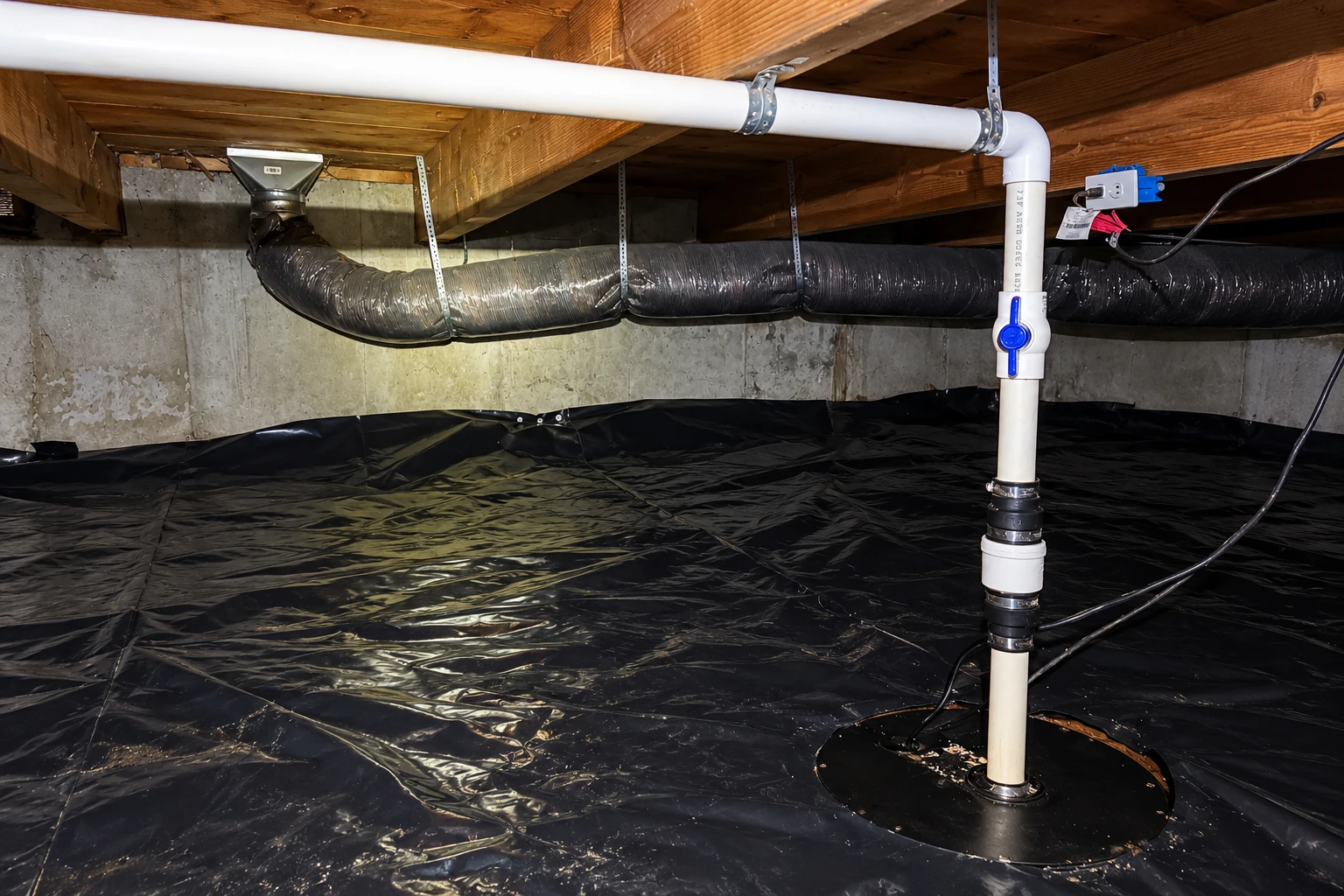
Cold floors usually point to the crawl space. We insulate under the floor and make sure the material stays snug against it instead of sagging onto the dirt.
Exterior walls in older Norco houses often have little or nothing inside. We can fill closed walls through small holes and patch them, without tearing out drywall.
Air sealing means closing the gaps around pipes, wires, recessed lights and the hatch before insulating, so the new insulation isn't fighting a steady draft.
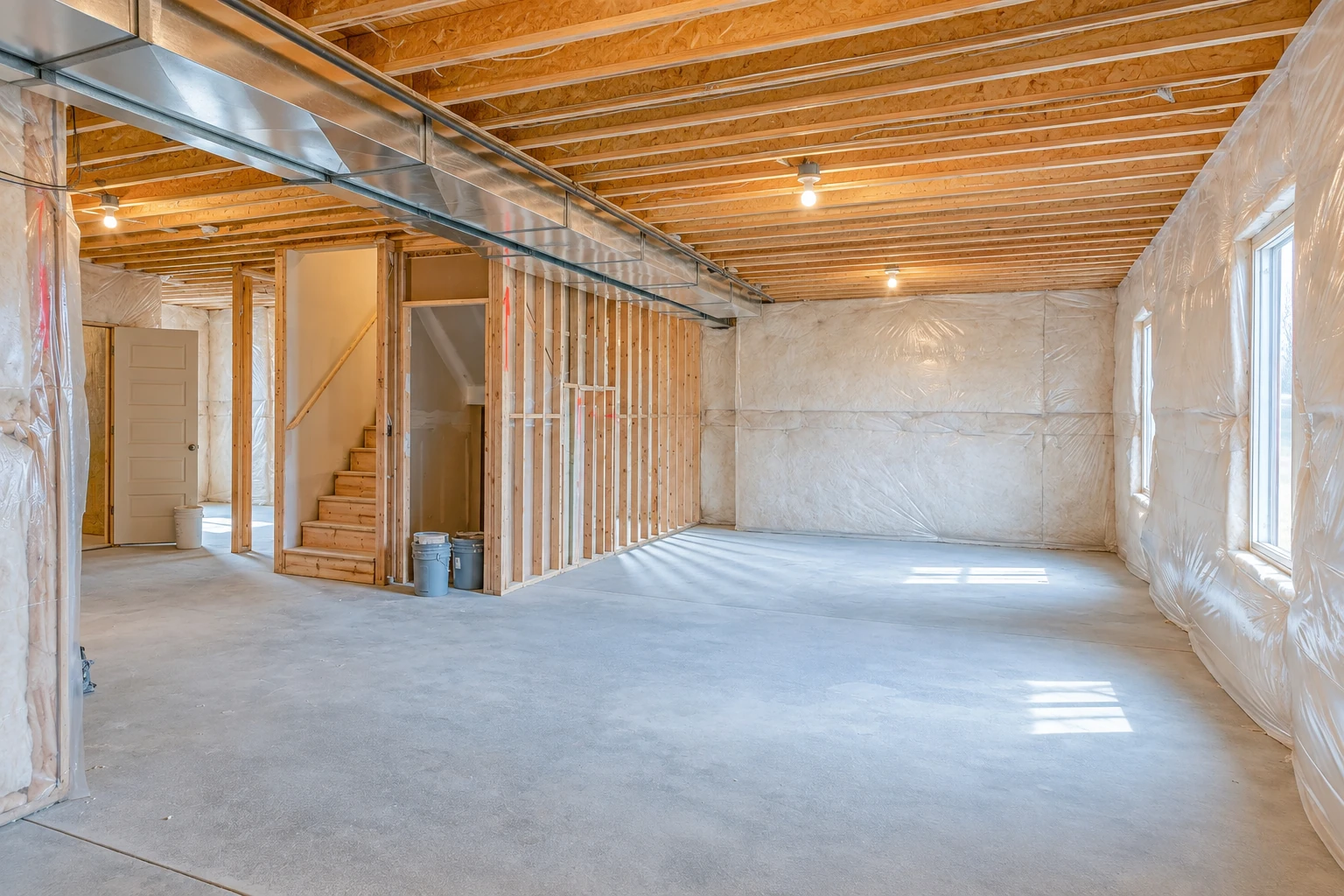
Basements are rare around here, but where a house has a below-grade room or a dug-out space, we insulate it with material that handles damp.
Closed-cell foam is dense foam that also blocks moisture. It costs more, so we suggest it mainly where ductwork lives in the attic or damp is part of the problem.
Open-cell foam is lighter and softer, good for filling wall and roofline cavities and quieting a room where moisture isn't the issue and closed-cell would be overkill.
We insulate shops, offices and rental buildings for landlords and small building owners, starting with what's actually behind the tenants' comfort complaints before we price anything.
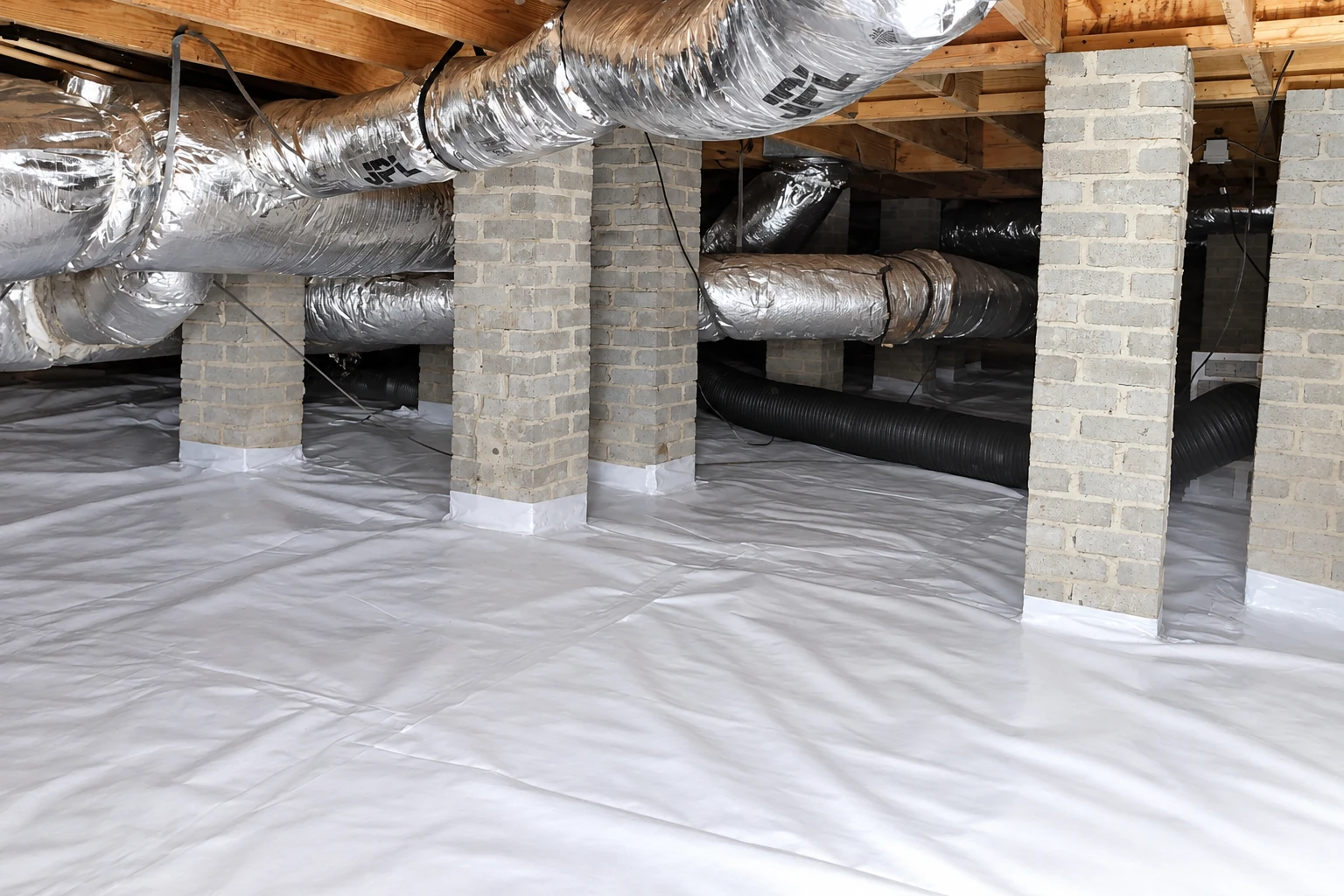
A crawl space vapor barrier is heavy plastic laid over the dirt, so ground moisture stays out of the framing and the insulation above it.
A vapor barrier only helps on the correct side of a wall or ceiling. In the wrong spot it traps moisture, so we check how the wall is built before adding one.
We seal the attic floor from above, around wiring holes, plumbing, recessed lights and the hatch, before more insulation goes on top and hides the gaps.
Retrofit work adds insulation to a house you already live in, through the attic, crawl space or small wall holes, without opening up finished rooms.
Send the form and we'll reply within one business day to set a time. I come out, look at the attic and whatever room is bothering you, and write up a free estimate with no pressure to book.
Which room runs hot or cold, what time of day it's worst, and roughly how old the house is. Those clues tell me where to start looking.
I'll go up in the attic, check how many inches are there, look at the vents and gaps, and ask a lot of questions, because the fix has to match the problem.
The estimate says what we'd do and why, including when the smaller fix is enough, so you could explain it to the next person who works on your house.
Here's what Norco homeowners ask most about permits, licenses, fire zones and getting the family back inside after the work.
We find out for your job before we start, because the city's permit rules cover altering an existing building and don't name insulation either way. Norco's Building & Safety department takes permit questions at (951) 270-5616, and its counter is open Monday to Thursday, 10 a.m. to 4 p.m. If a permit is needed, we handle the application and meet the inspector.
The Contractors State License Board requires a license whenever the job needs a building permit, uses employees, or comes to $1,000 or more in labor and materials, and a bigger job can't be split into smaller bills to get under that. Norco also wants a city business license before anyone works there. We're fully licensed and insured.
It can, because the city's fire zone guidance says homes in High and Very High zones must meet home hardening requirements, and renovations there follow the Wildland-Urban Interface codes, the state's building rules for homes near open land. Very High zones also need 100 feet of defensible space. If your house is in a mapped zone, we check with the city before changing attic vents.
Yes, with spray foam everyone, pets included, stays out until the re-entry time, the wait the foam's maker sets before you come back inside. We tell you that wait at the estimate so you can plan a day out around it. Blown-in jobs usually don't need you out of the house, just out of the way of the attic hatch.
These are the cities with their own page on our site, not the only places we go. If yours isn't listed, call or send the form and ask.
A cool-weather attic is easier to work in than an August one, so call (951) 393-1170 or send the form now.