
Crawl space walls and rim joists
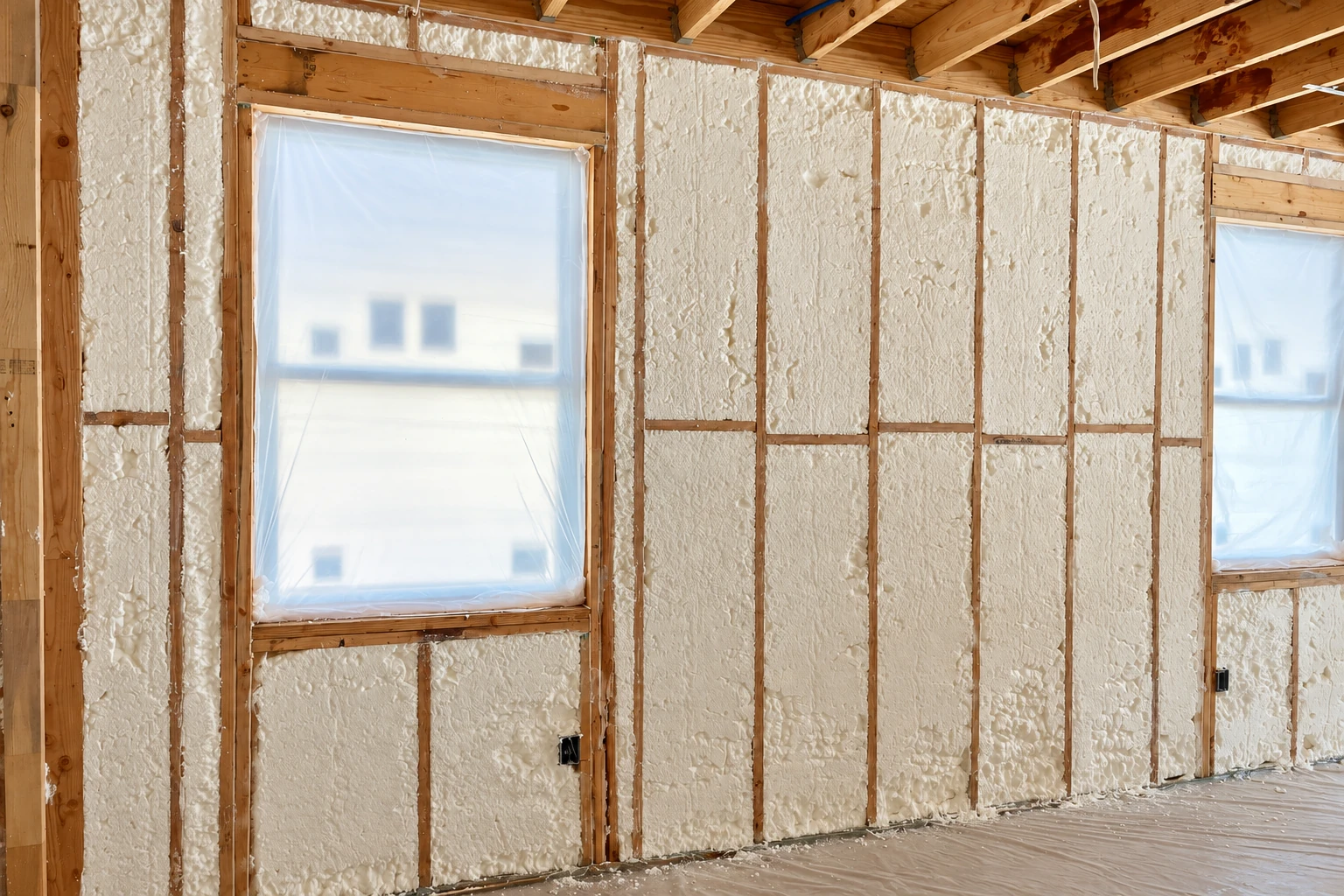
The rim joist is the band of wood where the floor framing sits on the foundation, and it's often damp and drafty. Closed-cell seals it and slows moisture in one pass.
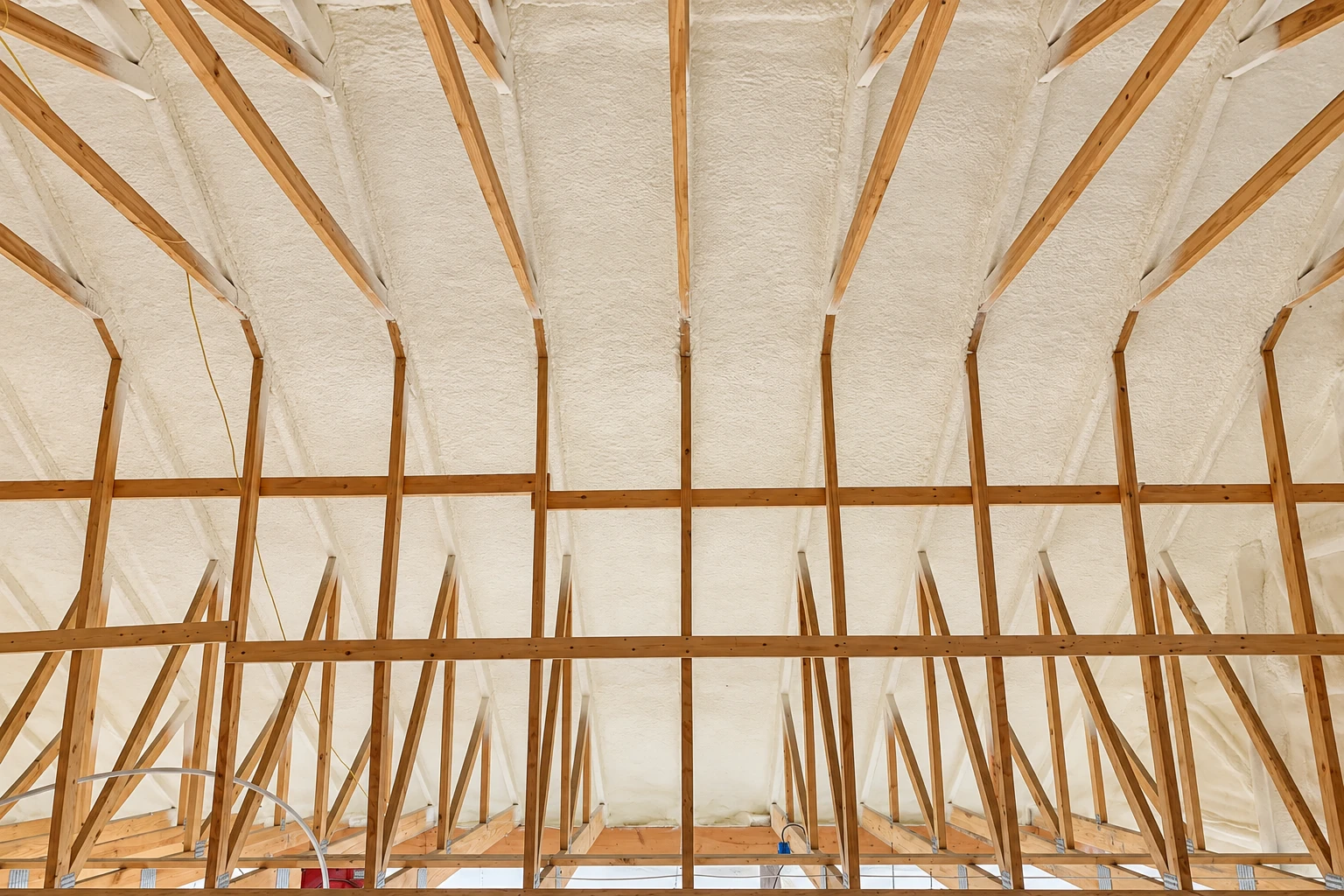
Damp crawl space edges, a drafty room over the garage or ducts baking in the attic? We seal and insulate the spots that need it.
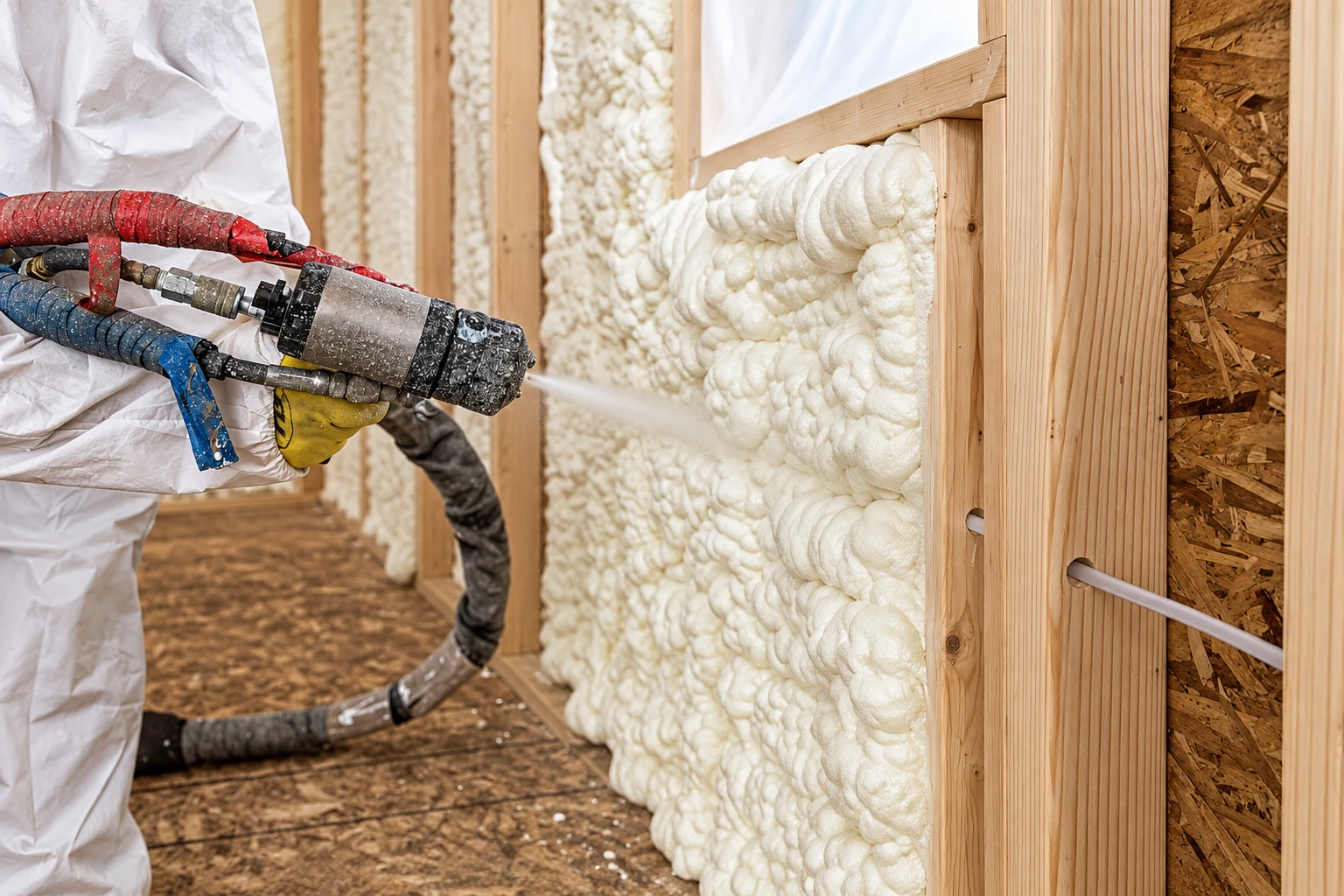
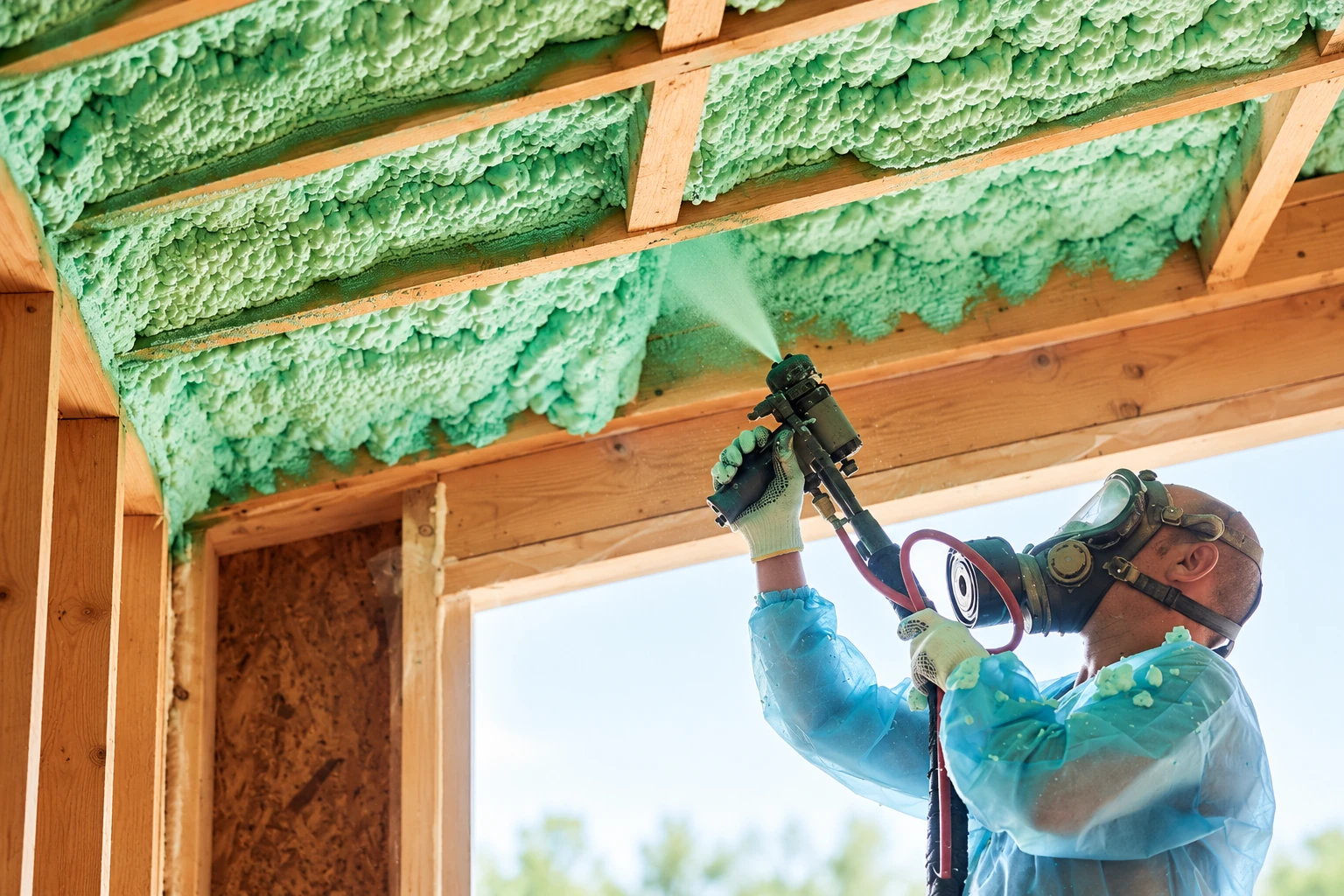
Closed-cell foam insulation is a dense spray foam that sets hard and, at its usual thickness, slows moisture vapor too, so in a Corona house one layer insulates, closes air gaps and holds damp back from the framing.
Most calls start with something that feels off, like a bedroom that never cools, cold floors over the crawl space or a musty smell near the garage. We're based in Corona and work in the cities around it, and in a lot of houses here the ducts run through a hot attic, which changes what makes sense. The price moves with how many square feet we cover, how thick the foam goes and how hard the spot is to reach. The schedule turns on dry surfaces, the right temperature and humidity on spray day, and a stretch when your whole household can be out of the house. I'll give you your own figure after I've seen the place, and sometimes that figure is for something smaller than foam.
I come out myself with a flashlight and look at your attic or crawl space before suggesting anything, because closed-cell only makes sense where its stiffness and moisture control really matter.
If anyone at home has asthma or allergies, we raise it at the first visit, so you have time to weigh a different material before anything gets sprayed in your house.
I write the estimate, and our installers do the work with a lead installer running each job, so one person on site knows the plan and can answer your questions.
I start with a flashlight, because the spot you feel isn't always the spot that's leaking. Once we agree on where foam goes, our crew pulls out any old insulation that got soaked or full of droppings, since new material over a mess just buries the problem. We cover what shouldn't get foam, keep the eave vents at the roof edge clear so the attic can still breathe, and check that surfaces are dry and warm enough for the foam to bond. Then we spray, trim back anything that overshoots and clean up, and I walk you through what we did so you could explain it to the next person who works on your house.
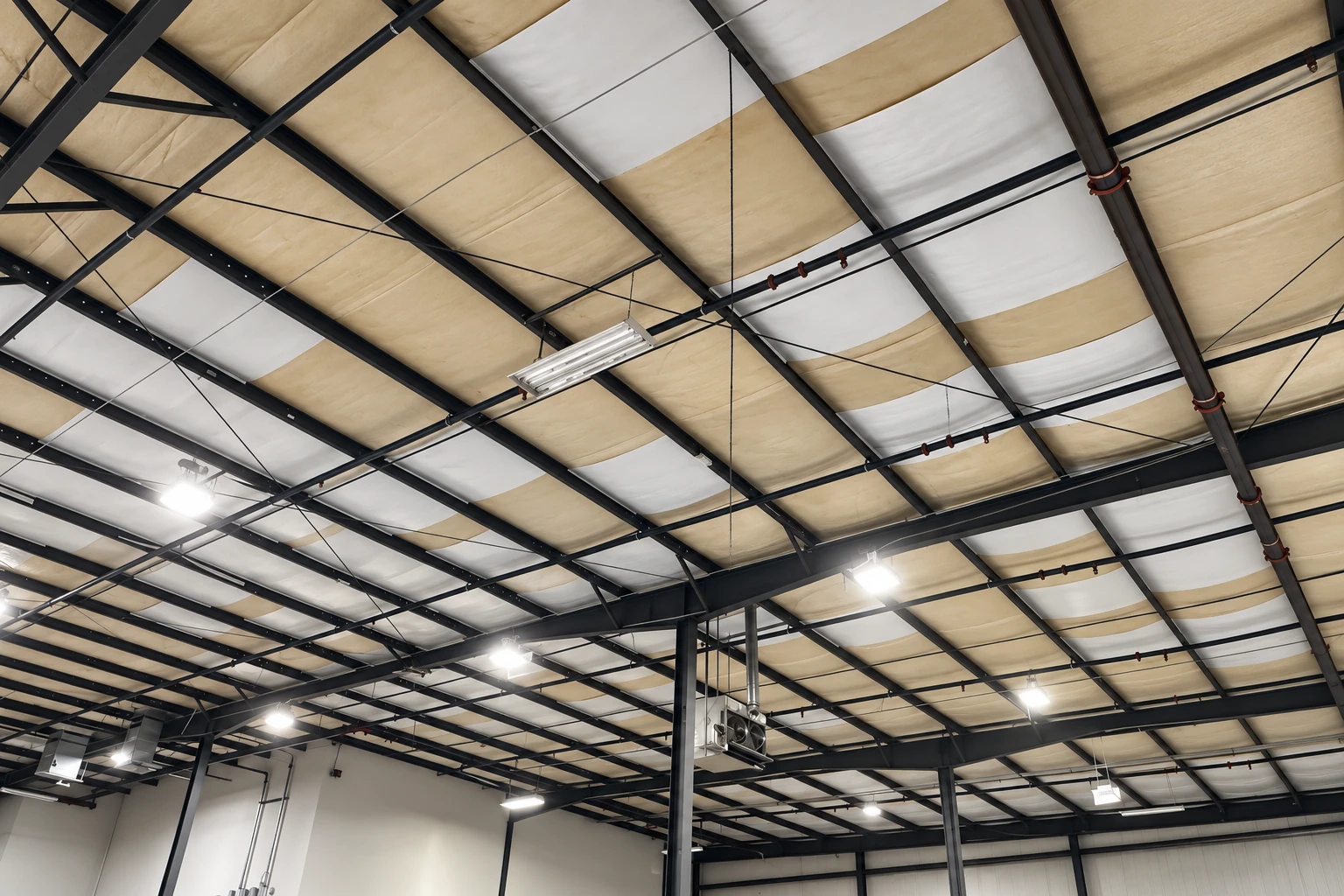
Part of a closed-cell job is deciding where it stops. Some houses get closed-cell at the crawl space edges and open-cell foam in the attic, and I'll lay out that split at the estimate. For landlords and small building owners, the same foam on shop walls or a metal roof falls under our commercial insulation work.
The rim joist is the band of wood where the floor framing sits on the foundation, and it's often damp and drafty. Closed-cell seals it and slows moisture in one pass.
If your ducts run through a hot attic, foam under the roof deck pulls them inside the insulated space. Without ducts up there, sealing the gaps and topping up loose fill usually wins on cost.
The room over the garage tends to run hot in summer and chilly in winter because its floor sits over unheated space. A rigid layer that also stops drafts in that floor framing helps.
Closed-cell packs more R-value, or heat-slowing power, into each inch than open-cell, so it suits shallow framing like a low-slope roof or a thin wall where a thicker layer won't fit.
Send the form and we'll reply within one business day to set a time. I come out, look at the spots you're worried about and write up a free estimate, with no pressure to book.
List the areas you're thinking about and a rough square footage if you know it, so I bring the right questions and look in the right places first.
If anyone at home has asthma, allergies or sensitive skin, say so in the form, because it may change which material makes sense and we'd rather sort that out early.
Jot down a few dates when everyone could stay somewhere else, because spray foam means clearing out the house for a while, and the questions below cover how long.
These example photos show foam finishes, trim lines and spots like rim joists and roof decks that we can talk through at your estimate.
Straight answers to what Corona homeowners ask us most about closed-cell foam, from cost and time out of the house to health.
Installed closed-cell spray foam usually runs about $6 to $12 per square foot across the US, so treat that as a national guide, not our price. Where your job lands depends on how thick the foam goes, how many square feet we cover and how tight the space is. I'll give you your own number after I've looked at the house.
It uses more material to fill the same space, and that's most of the difference. What you pay for is a rigid, hard-to-crush layer that also slows moisture vapor, which matters at a damp crawl space edge or under a roof over ductwork. If your spot doesn't need those things, I'll tell you and suggest something cheaper.
Plan on everyone, pets included, being out while we spray and for at least 24 hours after, which is what federal consumer safety guidance says. We go over the safety steps and that re-entry time, meaning when it's fine to come back, before the date is set, so you can book a place to stay first.
It may not be the right pick, and that's worth knowing early. Safety guidance says people with asthma, respiratory allergies, skin conditions or a past sensitivity to isocyanates, a chemical in spray foam, should read the product information carefully and can consider another kind of insulation. We bring this up at the first visit so you have time to choose.
Sometimes it needs a covering over it. The Spray Polyurethane Foam Alliance, the industry's trade group, says exposed foam may need extra fire-protective coverings or coatings where it doesn't have a fire-slowing layer such as drywall over it. We work out what your spot needs before we spray, so the covering is part of the plan.
Ask whether they're licensed for insulation, since the state contractor board has a classification for installing insulation that controls heat or sound. The board also says a contractor can't take more than $1,000 or 10 percent of the contract price up front, whichever is less, with later payments tied to work done or materials delivered. We're fully licensed and insured.
Call (951) 393-1170 or use the form, and bring your questions, because sometimes the right answer is a smaller fix than foam.