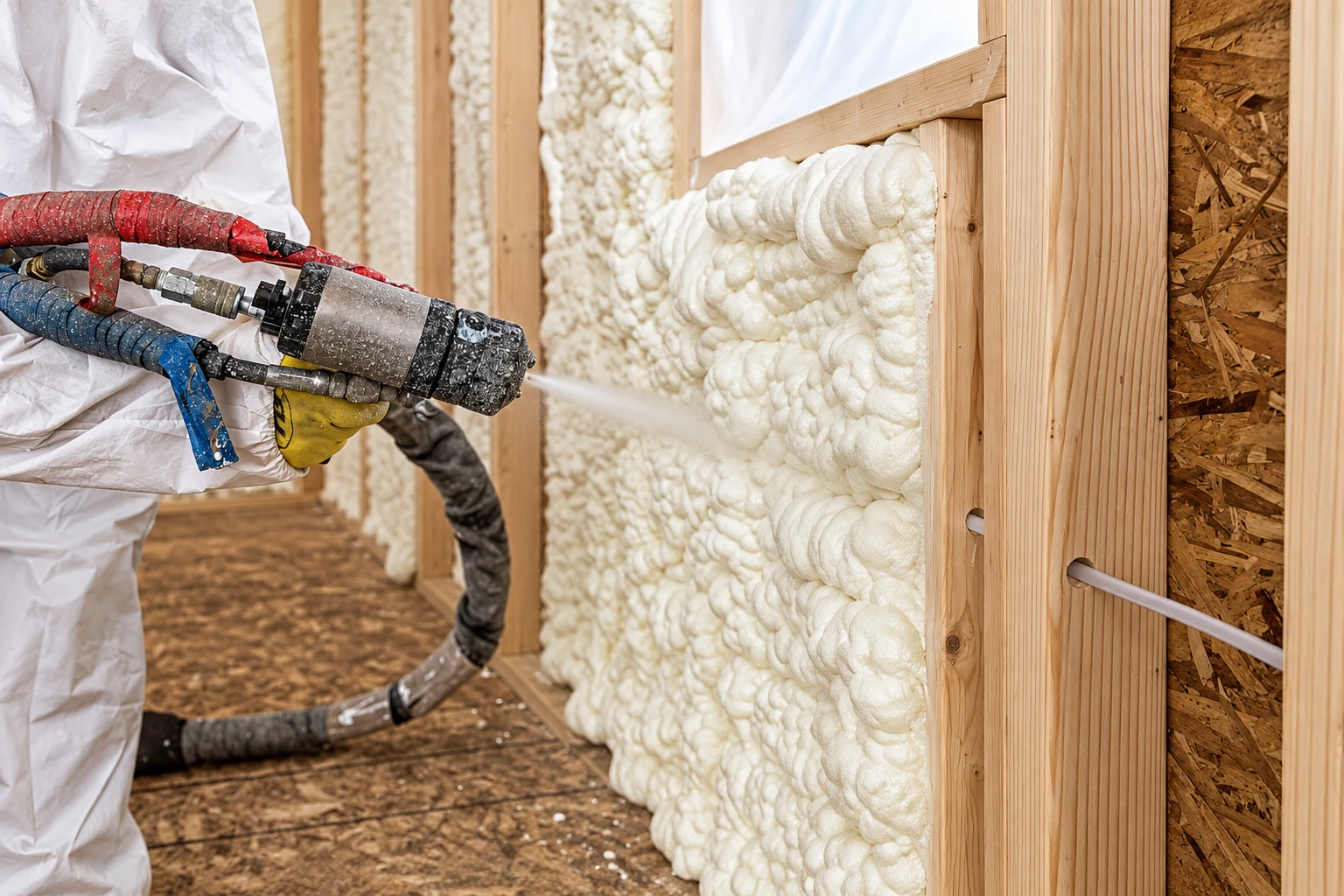
Spray foam insulation
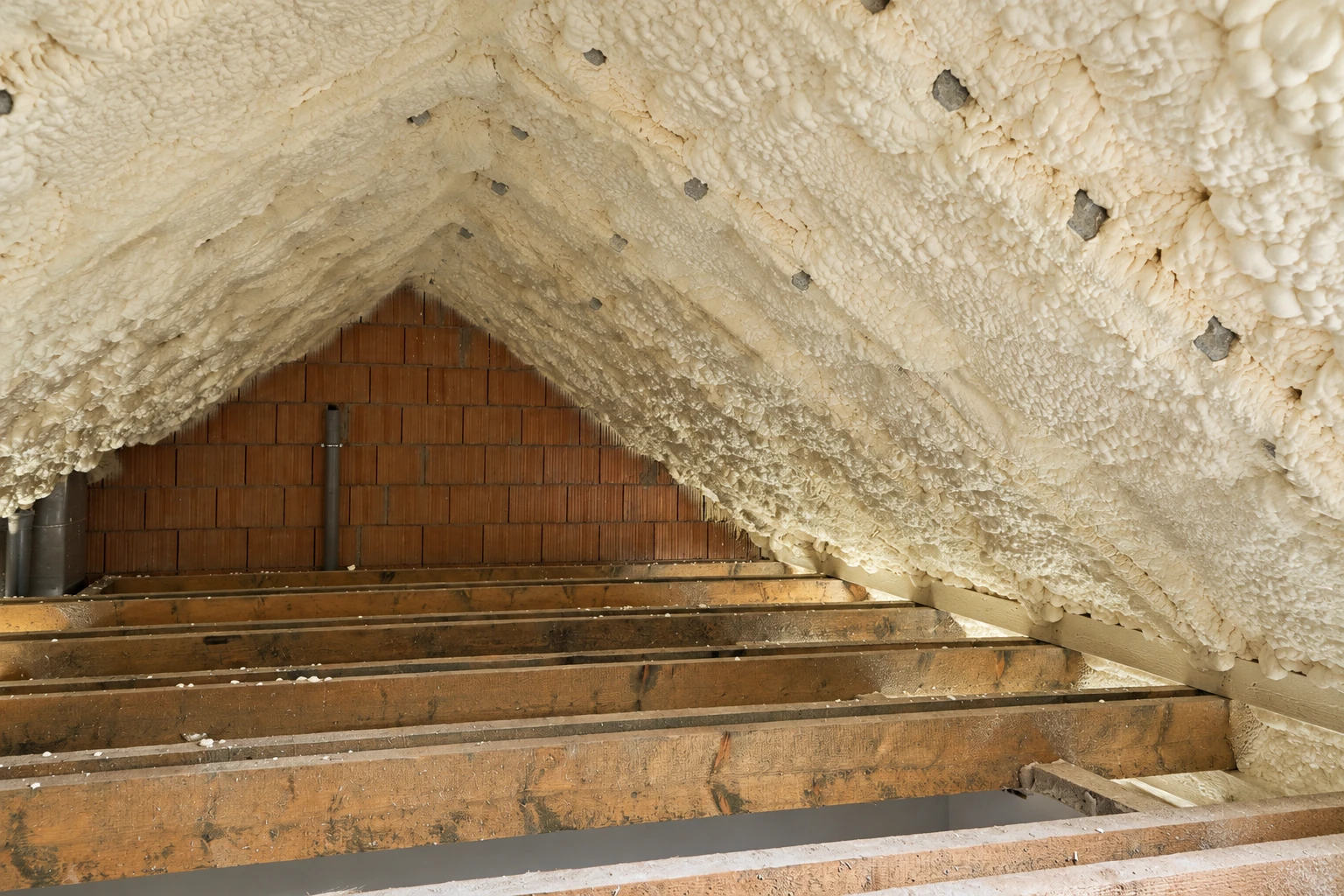
We spray foam where loose fill can't do the job well, like an attic that carries ductwork or the room over the garage, where odd framing makes fill hard to keep in place.
Truetemp Corona Spray Foam Insulation is an insulation contractor based in Corona that works in Chino Hills, sealing attic air leaks, topping up or replacing tired insulation and spray foaming attics where the ductwork runs.
Most of our Chino Hills calls come from two-story houses on the hillside streets, where the upstairs bedrooms sit right under an attic that bakes all afternoon. It's the same complaint we hear next door in Chino and over the hill in Yorba Linda: one hot room, a room over the garage nobody wants, and an AC that never catches up. On houses like these the heat usually comes down through thin or settled attic insulation and through gaps around lights and pipes that never got sealed, so the attic is where I start looking.
The price moves with what's already up there and what shape it's in, how easy the attic is to get around in, and whether old material has to come out before new goes in. The schedule turns mostly on how much has to come out, and I'll give you your own figure in the estimate I write up after I've been up there. Rain matters here too, because the city itself says heavy storms on these hills can flood roads and set off landslides, so after a big one we may move a day rather than haul gear up a road that isn't safe.
Air sealing, closing the gaps before insulating, comes first, because holes around can lights, pipes and the attic hatch keep pulling hot air through no matter how deep the fill gets.
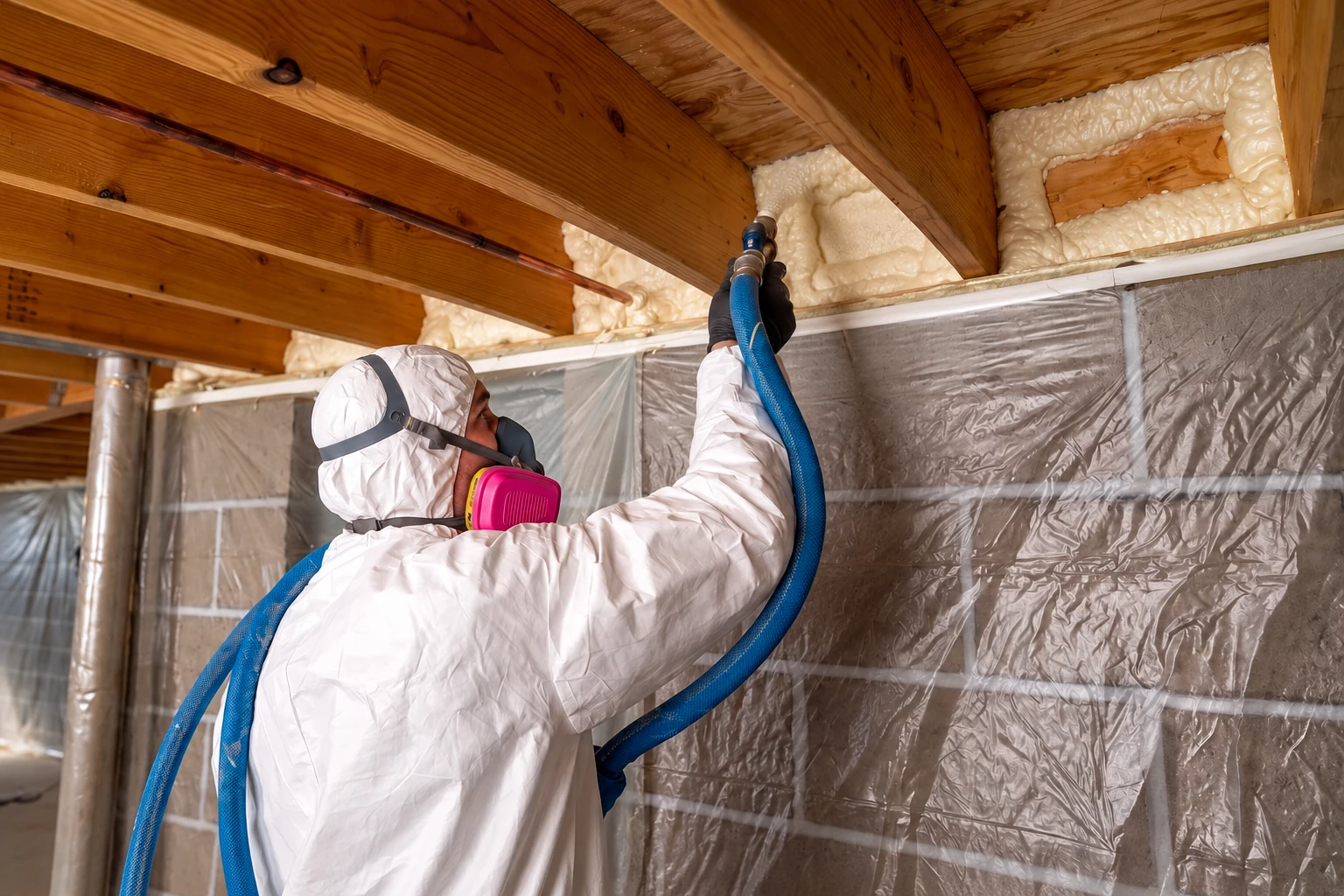
Spray foam costs more but seals air while it insulates, so I recommend it when your ductwork lives in the attic. Otherwise, sealing the gaps and topping up loose fill usually wins.
We keep insulation off the vents at the edge of the roof, because a buried vent stops the attic from breathing and moisture starts showing up in the framing.
We spray foam where loose fill can't do the job well, like an attic that carries ductwork or the room over the garage, where odd framing makes fill hard to keep in place.
Most hot-upstairs calls end in the attic, so we check how many inches are already up there, seal the gaps and bring the coverage up evenly all the way to the eaves.
Blown-in insulation, loose fill blown through a hose, tops up a tired attic quickly, and we keep it full depth at the edges instead of piling it up in the middle.
When the whole house feels drafty, I walk it from the attic to the floors to find where the heat gets in before we suggest anything.
If the old insulation is soaked or full of droppings, we vacuum it out and clean up first, because new material laid on top just keeps the problem.
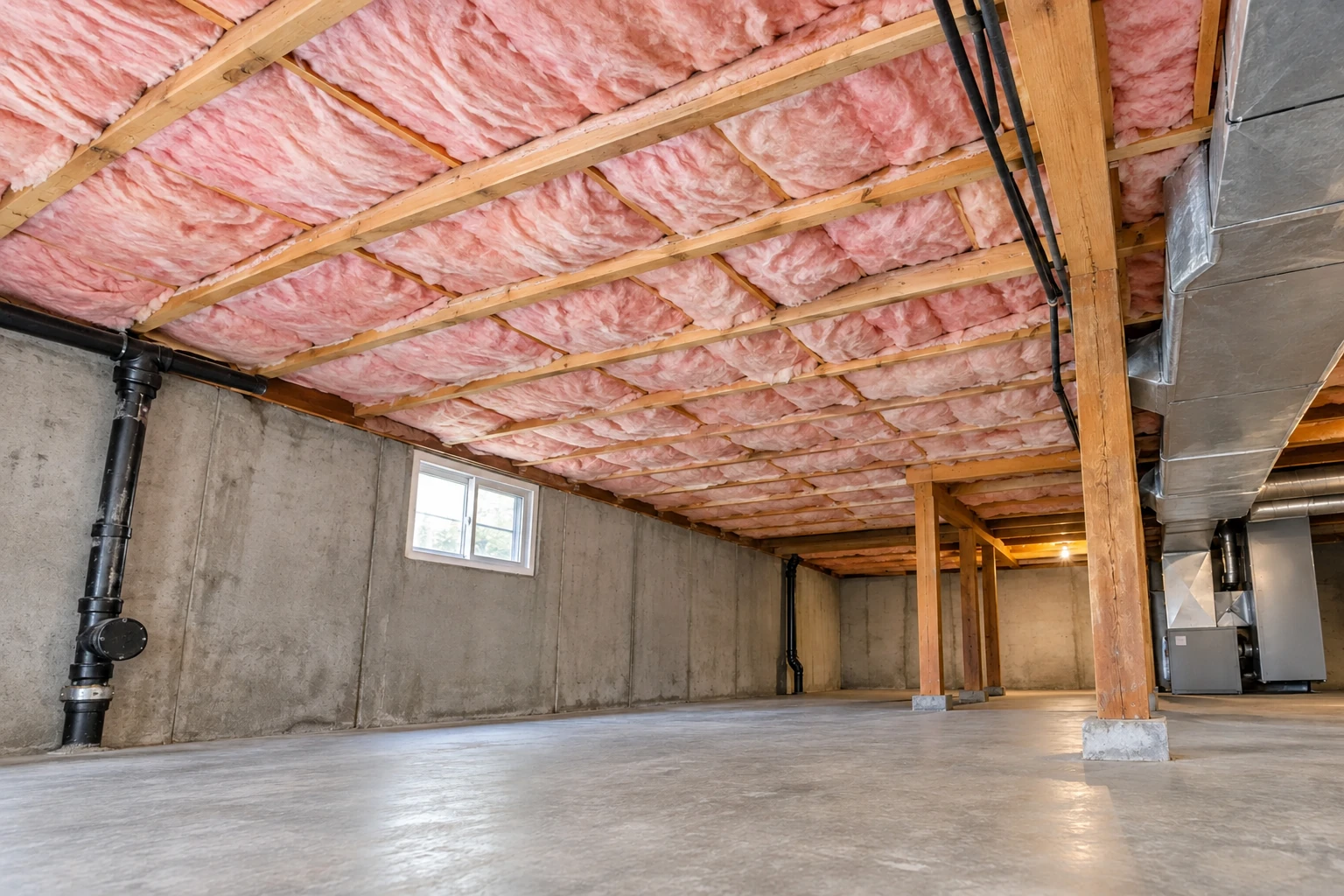
Cold floors over a raised foundation usually trace back to the crawl space, where we insulate under the floor and keep the material snug against it.
Walls are harder to reach than attics, so we look at how yours are built and pick a way to fill the cavities without tearing out much drywall.
We go after the holes around pipes, wiring and recessed lights that let hot attic air into your rooms, because that leak often matters more than the insulation.
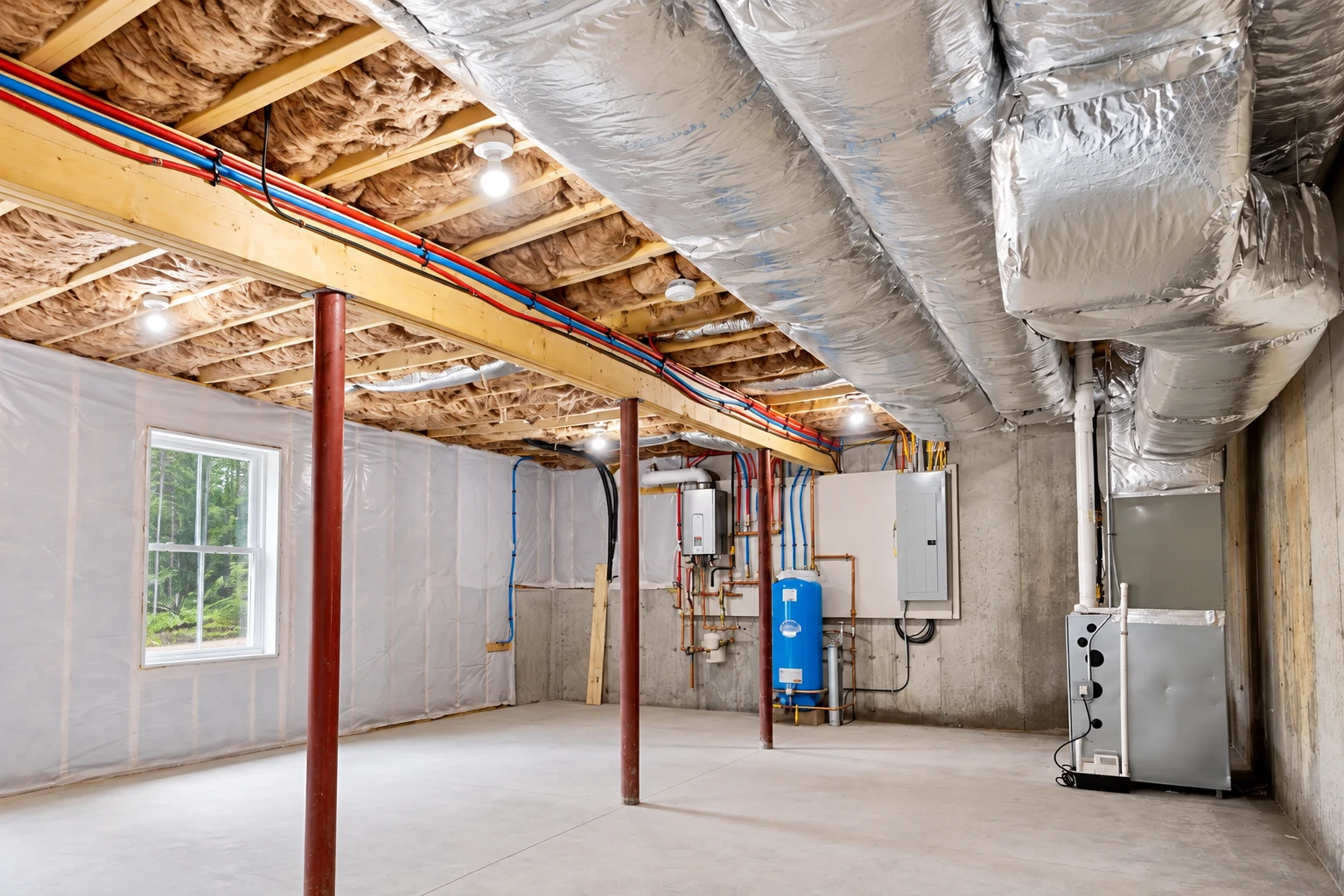
On hillside homes with a lower level built into the slope, we insulate the walls that sit against the ground so that room isn't fighting the dirt behind it.
Closed-cell foam, a dense foam that blocks moisture, fits tight spots and damp areas where you need the most insulation in the least space.
Open-cell foam is softer and lighter than closed-cell, and it works well sealing the underside of a roof when you don't need it to block moisture.
We work for landlords and small building owners too, scheduling around tenants and explaining the plan plainly to whoever has to sign off on it.
A vapor barrier over a crawl space's dirt floor keeps ground moisture from soaking the insulation and framing above, and we seal its seams and edges so it stays put.
We put vapor barriers where moisture meets insulation, in crawl spaces, garages and lower rooms, so the insulation stays dry enough to keep doing its job.
Before new insulation goes down, we seal the hatch, the tops of the walls and every wire and pipe that comes through, so fresh material isn't sitting in a breeze.
Retrofit work adds insulation to a finished house without opening it all up, and we start from what's already there and where it's missing.
Send the form and we'll reply within one business day to set a time. I come out, look over your attic and write up a free estimate on site, with no pressure to book.
I do the looking myself, with a flashlight, checking how many inches are already up there and whether any of it is wet or full of droppings before I price anything.
Our installers do the work with a lead installer running each job, so there's one person on site who knows the plan and can answer your questions.
When we're done, I walk you through what we found and what we changed, so you can explain it to the next person who works on your house.
These are the questions we hear most from Chino Hills homeowners about permits, licenses and what happens on the day we insulate.
We find out for every job, because the city's list of work that needs no permit covers things like painting, tiling, carpeting and cabinets, and insulation isn't on it. The city's Building and Safety Division issues permits for altering or repairing a building, so we check with that office before we start. If a permit is needed, we handle the application and meet the inspector.
Yes, whenever the job needs a building permit, uses hired workers, or the contract totals $1,000 or more in labor and materials. That's the California Contractors State License Board's rule for anyone who builds or alters a structure in the state, and an attic job done by a crew usually meets it. We're fully licensed and insured.
Usually not for blown-in fill or air sealing, since the work stays in the attic and you can stay home with the hatch closed. Spray foam is different. Everyone, kids and pets included, stays out until the re-entry time, when it's safe to come back inside, which follows the foam maker's instructions. I'll tell you that time before we book so you can plan around it.
These are the cities with their own page on our site, and we work in plenty of others around Corona. Call or send the form to ask about your address.
Call (951) 393-1170 or send the form, even after dinner, and tell us which room bothers you most so I know where to start looking.