Spray foam insulation
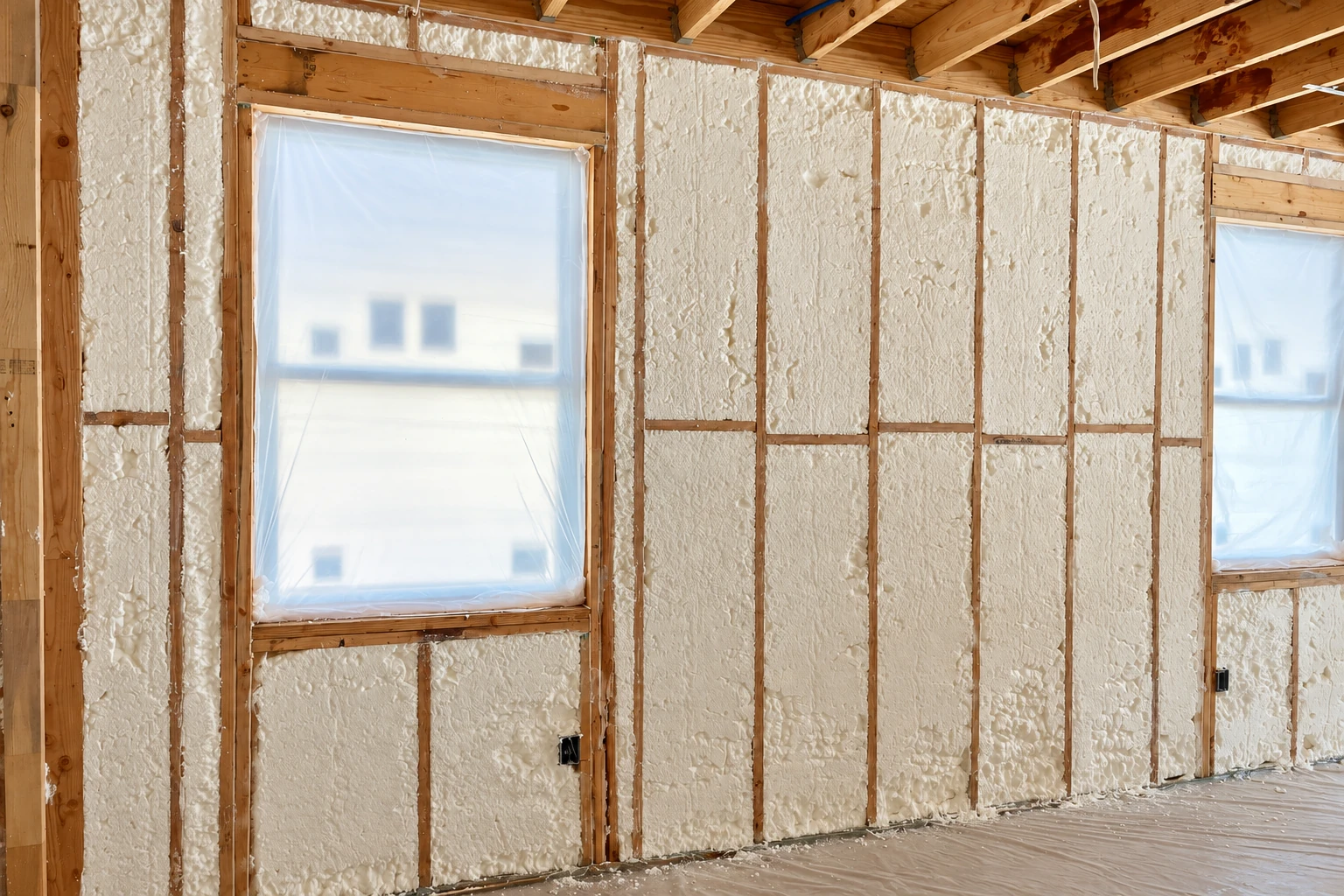
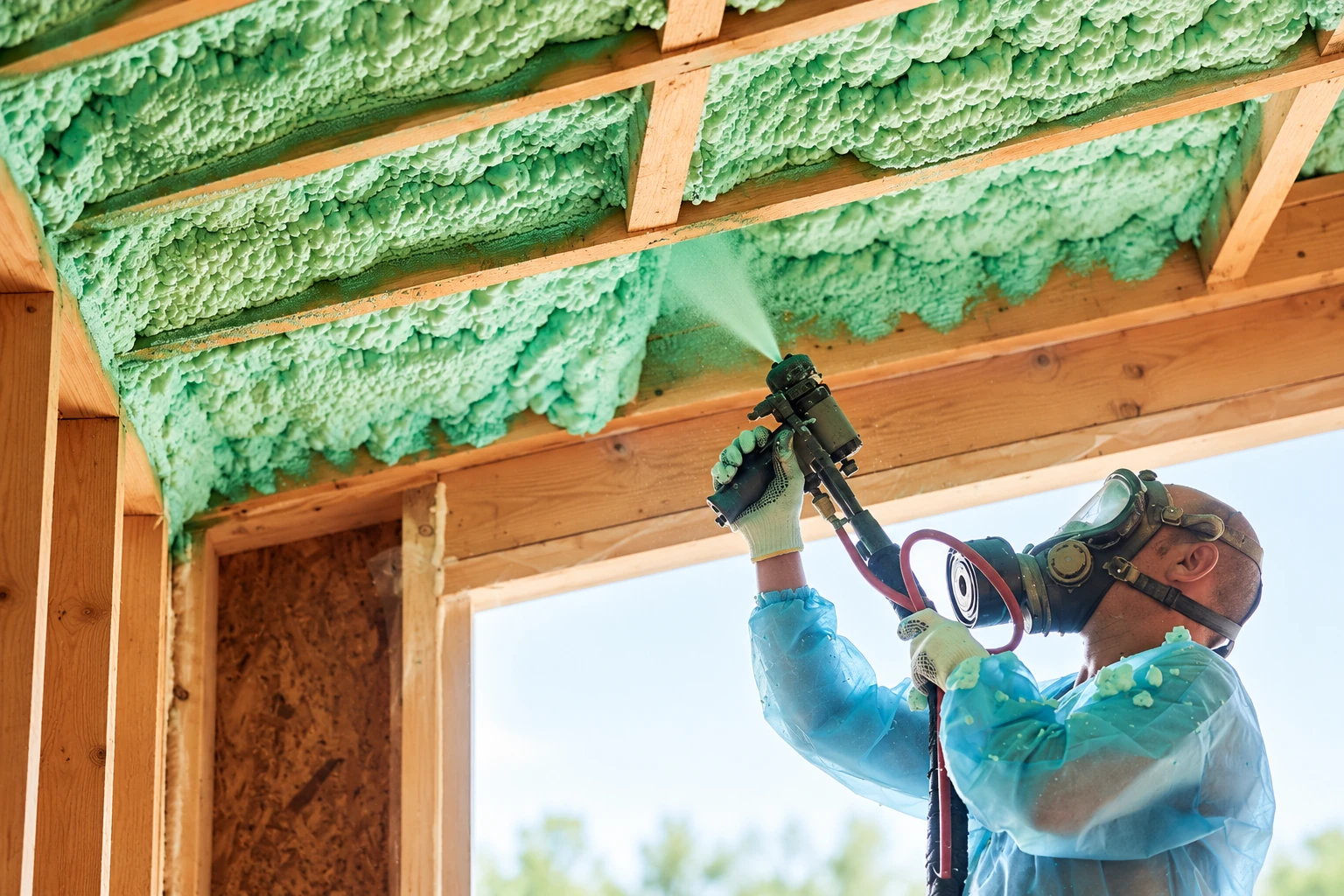
Foam sprayed under the roof deck or into open walls insulates and seals air in one pass. It costs more than loose fill, so I suggest it when your ductwork or attic layout earns it.
Truetemp Corona Spray Foam Insulation is an insulation contractor based in Corona, working in Temescal Valley on attics, walls, crawl spaces and air sealing for homeowners dealing with hot upstairs rooms, drafts and high power bills.
Temescal Valley isn't a city, so the County of Riverside sets the rules for home projects here, and that's the first thing I keep in mind when we head over from Corona. The calls sound a lot like the ones we get from Woodcrest and Corona. There's a bedroom that stays hot no matter what the AC does, a drafty room over the garage, or a power bill that keeps creeping up. Usually the answer is in the attic, and it's rarely the one you'd guess from the hallway.
The price comes down to what's already up there and how we get to it. That means how many inches you have now, whether the old insulation has to come out first, how easy the attic is to get into, and whether we're topping up loose fill or spraying foam. The schedule turns on the same things, plus any permit the county wants, and I'll put your own figures in the estimate I write up on site. If your ductwork lives in the attic, foam at the roofline can earn its extra cost, and if it doesn't, sealing the gaps and topping up the loose fill usually wins.
I come out myself to look at the job and write up the estimate, because the reason one room stays hot is usually somewhere you wouldn't think to look.
Since Temescal Valley answers to the county, I check with the county office before each job, and if a permit's needed, we file the application and meet the inspector.
When we finish, I walk you through what we found and what we changed, so you can explain it to the next person who works on your house.
Foam sprayed under the roof deck or into open walls insulates and seals air in one pass. It costs more than loose fill, so I suggest it when your ductwork or attic layout earns it.
I start by measuring how many inches are already up there and checking the edges, because coverage is often deep in the middle and thin over the outside walls, which is backward.
Blown-in insulation is loose fill we blow through a hose, so it gets into odd corners and around framing. We keep it back from the eave vents so the attic can still breathe.
When the whole house feels off, I go room by room looking for the pattern. Then we fix the attic, walls or floors in the order that actually changes how the house feels.
Old insulation that got soaked or filled with droppings comes out before anything new goes in, because covering it just buries the problem. We bag it and clean the attic out.
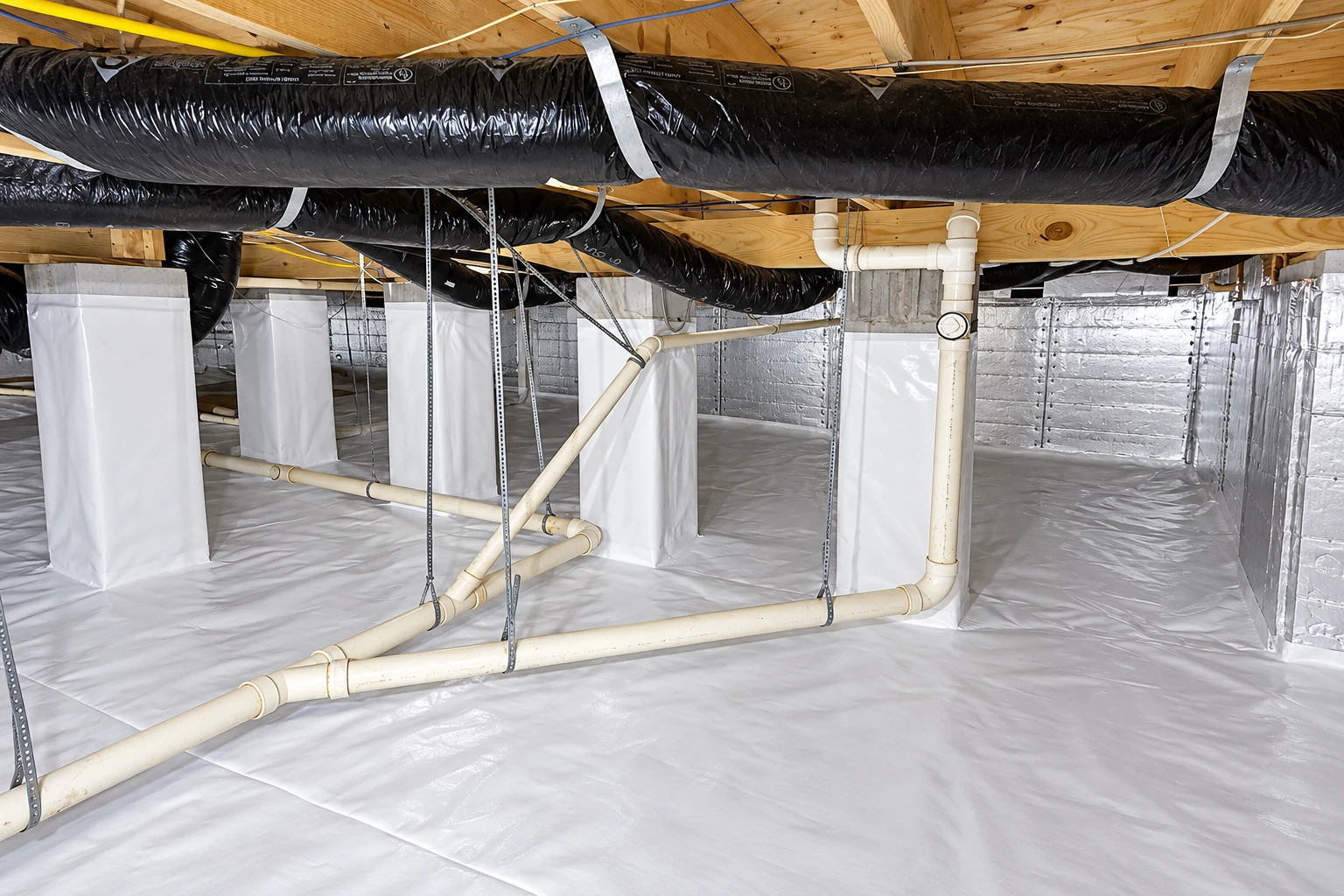
Cold floors over a crawl space usually mean insulation that's fallen out of place or was never there. We fit it between the floor framing and secure it so it stays put.
For finished walls, we can fill the cavities through small holes and patch them, so you get insulation without opening up the room. Open walls during a remodel are simpler still.
Air sealing means closing the gaps where air leaks in before any insulating. Through the house, that's spots like the wall shared with the garage, plumbing under sinks and old holes from past work.
Where a house has a basement or a below-grade room, we insulate the walls with material that handles damp concrete, so moisture doesn't get trapped behind it.
Closed-cell foam is a dense foam that blocks moisture as well as heat. It's the one I reach for where water is a concern, like crawl space walls.
Open-cell foam is softer and lighter, and it fills roofline gaps well when the ductwork runs through the attic. It quiets sound too, and it costs less than the closed-cell kind.
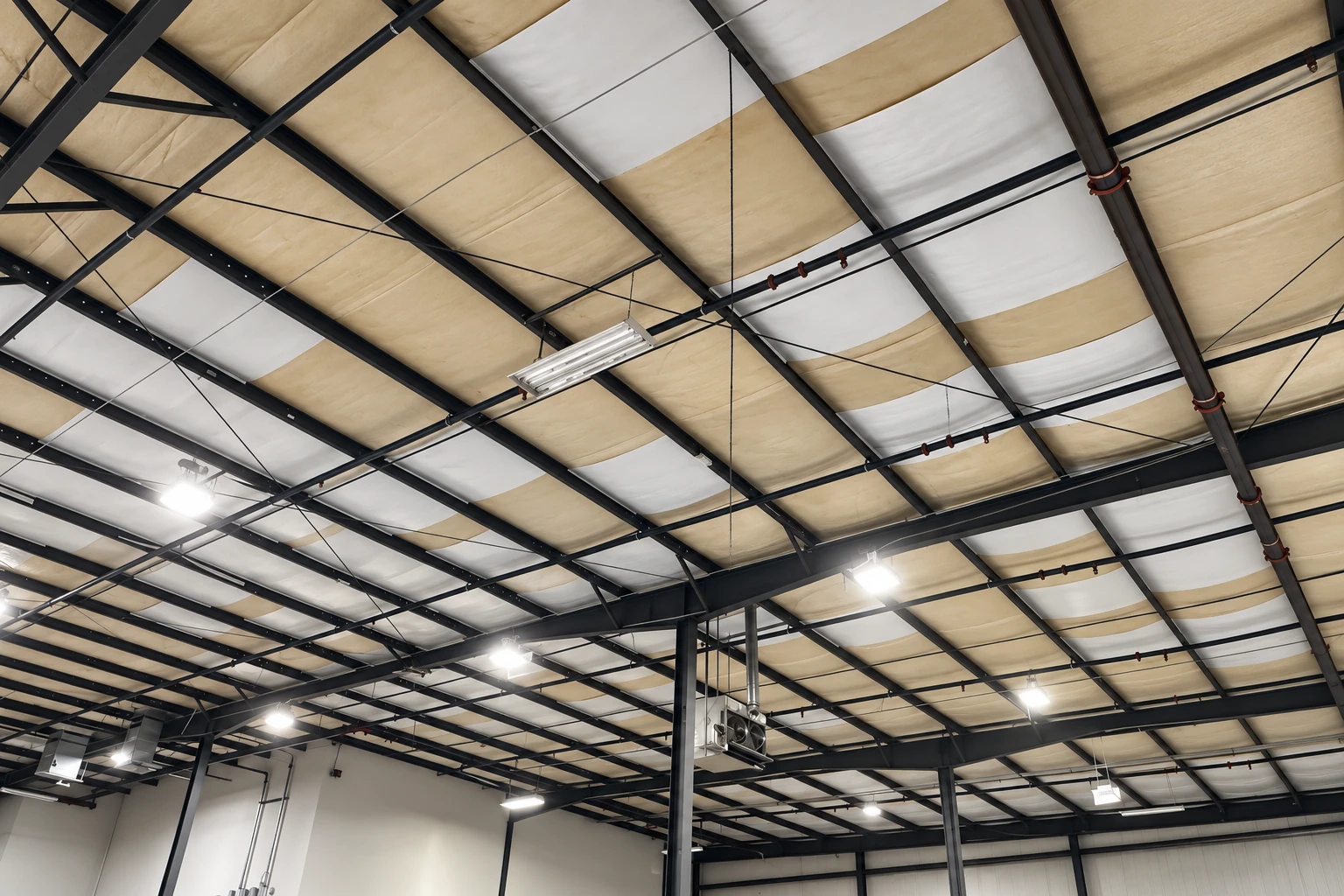
We insulate small commercial and rental buildings for landlords and building owners, working around tenants and business hours so the space can keep running while we're there.
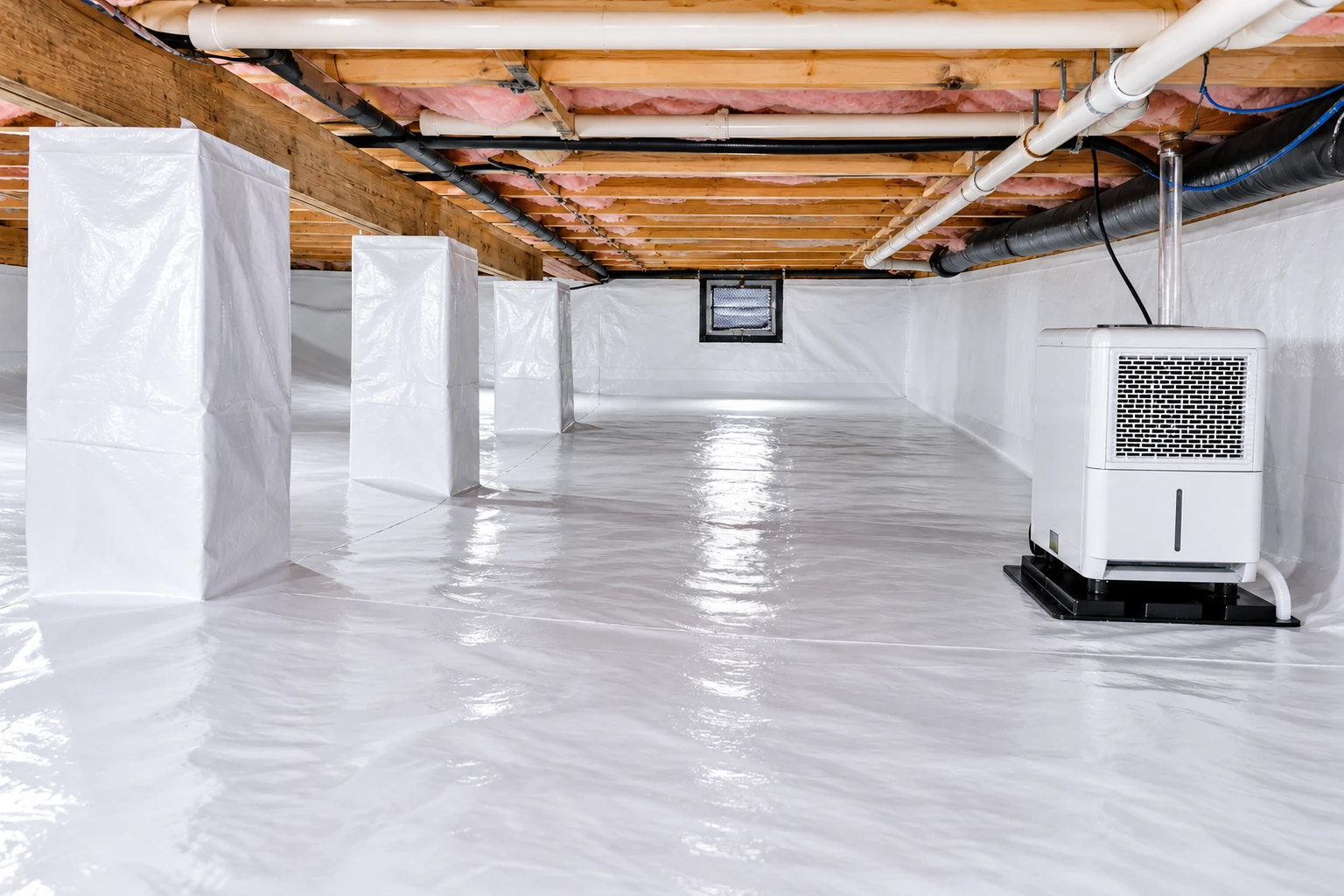
A vapor barrier is a heavy plastic sheet laid over the crawl space dirt to keep ground moisture out of the floor framing. We overlap the seams and run it up the walls.
In attics, walls and other spots where moisture moves through, we put the vapor barrier on the right side of the insulation, because on the wrong side it holds water in.
Before any attic top-up, we seal the hatch, the can lights and every hole where pipes and wires come through, so the fresh insulation isn't sitting in a draft.
Retrofit work adds insulation to a house that's already finished and lived in. We work through the attic, small wall holes and the crawl space so your rooms stay mostly untouched.
Send the form and we'll reply within one business day to set a time. I come out, look at the attic and anything else that matters, then write up your estimate with no obligation to book.
I'd rather see your attic than guess over the phone, so estimates happen on site and cost you nothing. Bring your questions, and I'll bring the flashlight.
You get the estimate written up and the time to think it over. If the smaller fix is the right one for your house, that's the one I'll tell you about.
Our installers do the work with a lead installer running each job, so there's one person on site who knows the plan from start to finish. Your satisfaction, guaranteed.
Here's what people in Temescal Valley ask before an insulation job, from permits and licenses to whether you need to leave the house.
The County of Riverside's Building and Safety Department is the office to ask, since Temescal Valley sits outside any city. The county's list of work that needs no permit is mostly finish work like painting, flooring and cabinets, so check the current list with the department. Or leave it to us, since we check on every job anyway.
In California, a contractor needs a state license when the job needs a building permit, uses any additional workers, or costs $1,000 or more in labor and materials combined. The Contractors State License Board is the office that issues it. We're fully licensed and insured, so that's one less thing for you to sort out.
Enter your address on the state fire marshal's Fire Hazard Severity Zone map, which rates wildfire hazard for property in the State Responsibility Area. The county also had to adopt its own zone maps for unincorporated areas like this one. If you know your zone, mention it at the estimate so it's on my list when I check with the county.
For blown-in work, usually not, because the crew stays in the attic and you can go about your day. Spray foam is different, since you, the kids and the pets stay out until the re-entry time, which is the wait the foam maker sets before people come back in. I'll tell you which one applies when I write up the estimate.
These are the cities with their own page on our site, and we work in plenty of others. If your street isn't listed, call or send the form and ask.
Call (951) 393-1170 or use the form to tell me which rooms bother you and when, because that tells me where to start looking.