Spray foam insulation
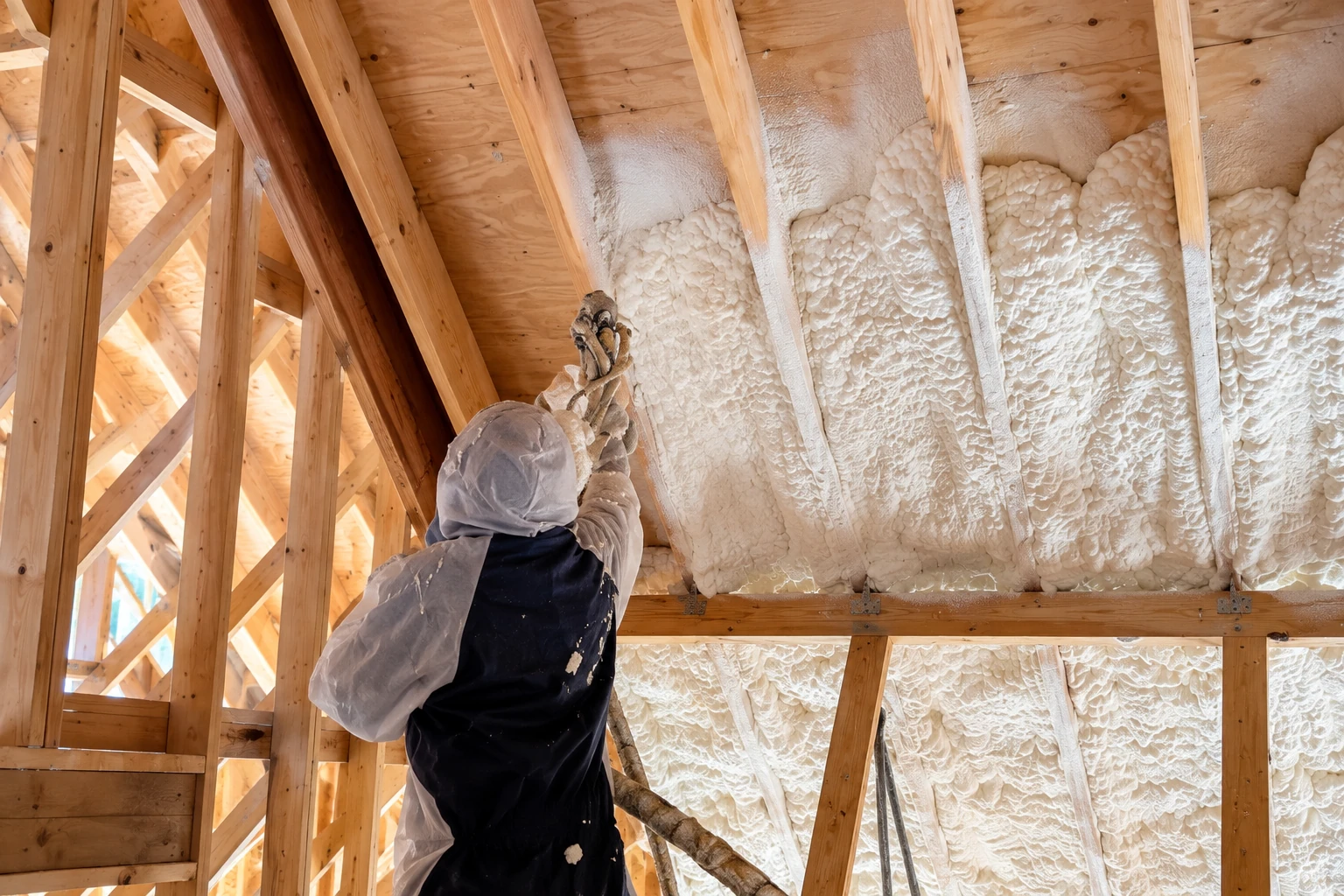
Foam that insulates and seals air in one pass. It costs more than loose fill, so we usually suggest it when your ductwork runs through the attic.
Truetemp Corona Spray Foam Insulation handles attic insulation and spray foam for homes in Corona and the cities around it, like Riverside and Norco. We also seal the gaps behind a hot upstairs and pull out old, dirty insulation.
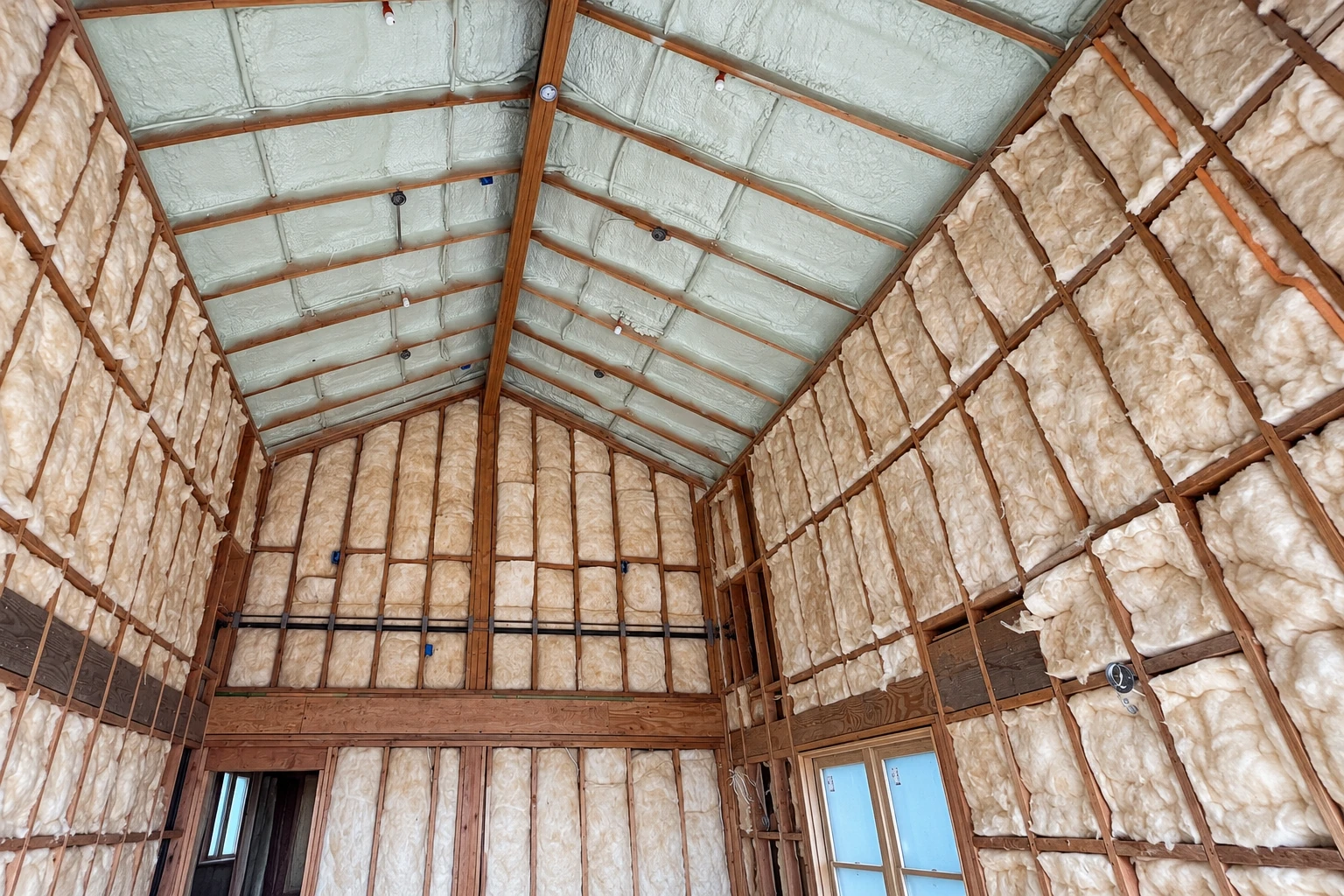
Truetemp Corona Spray Foam Insulation is an insulation contractor in Corona, CA, and most calls start with a bedroom that won't cool down or a floor that stays cold. We offer 16 services, from topping up an attic to sealing a crawl space, so the fix can fit the problem. Price mostly comes down to how much area we're covering, whether foam or loose fill suits the job, and whether old material has to come out first. The schedule turns on those same things, plus how easy the attic or crawl space is to get into. I'll come out and write you a free estimate with your own figure.
Foam that insulates and seals air in one pass. It costs more than loose fill, so we usually suggest it when your ductwork runs through the attic.
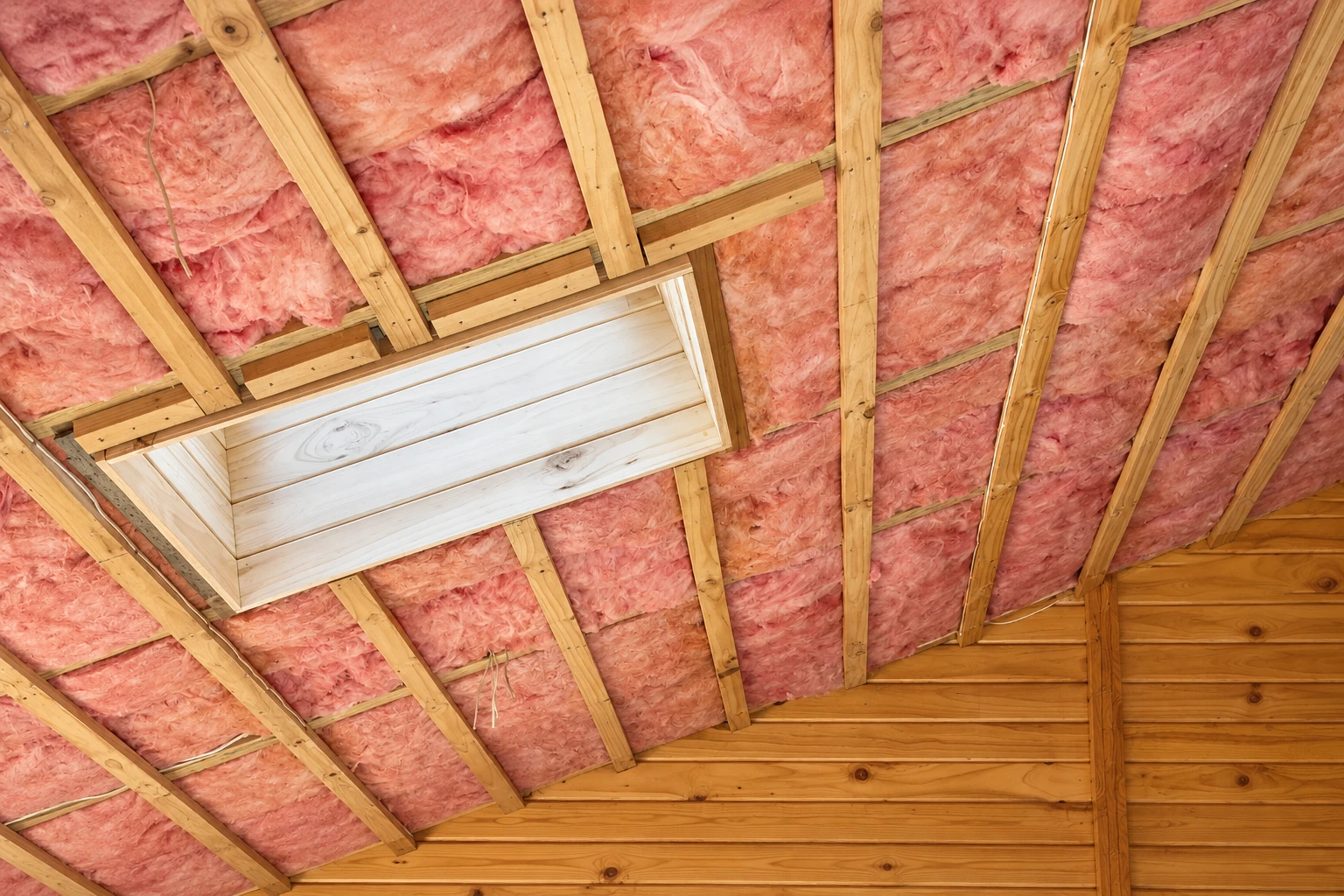
We check how many inches are already up there, seal the gaps first, then add enough to cover the edges as well as the middle, where coverage usually runs thin.
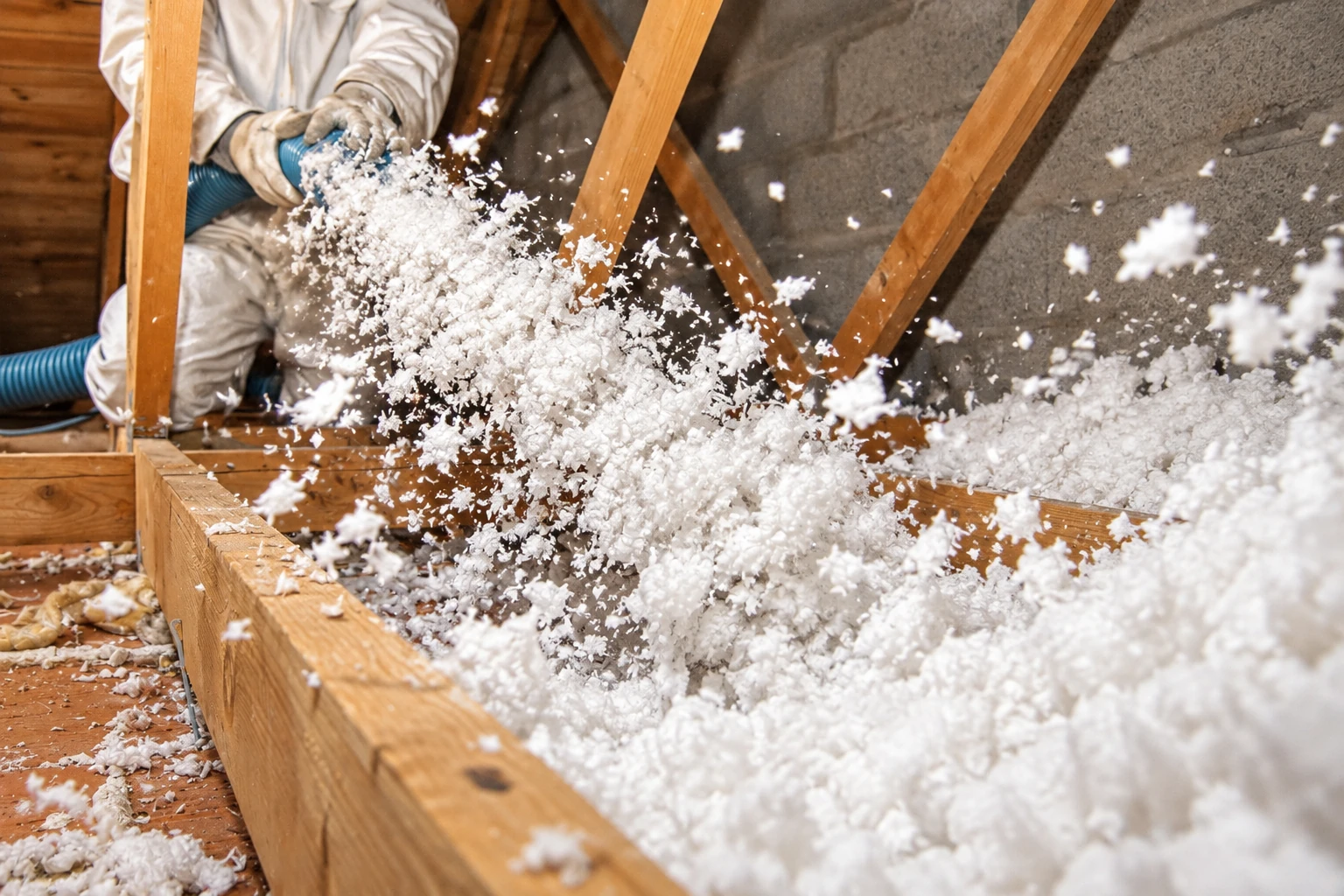
Blown-in insulation is loose fill blown through a hose, so it settles into corners and around framing. It's often the simpler, cheaper way to top up an attic that's running thin.
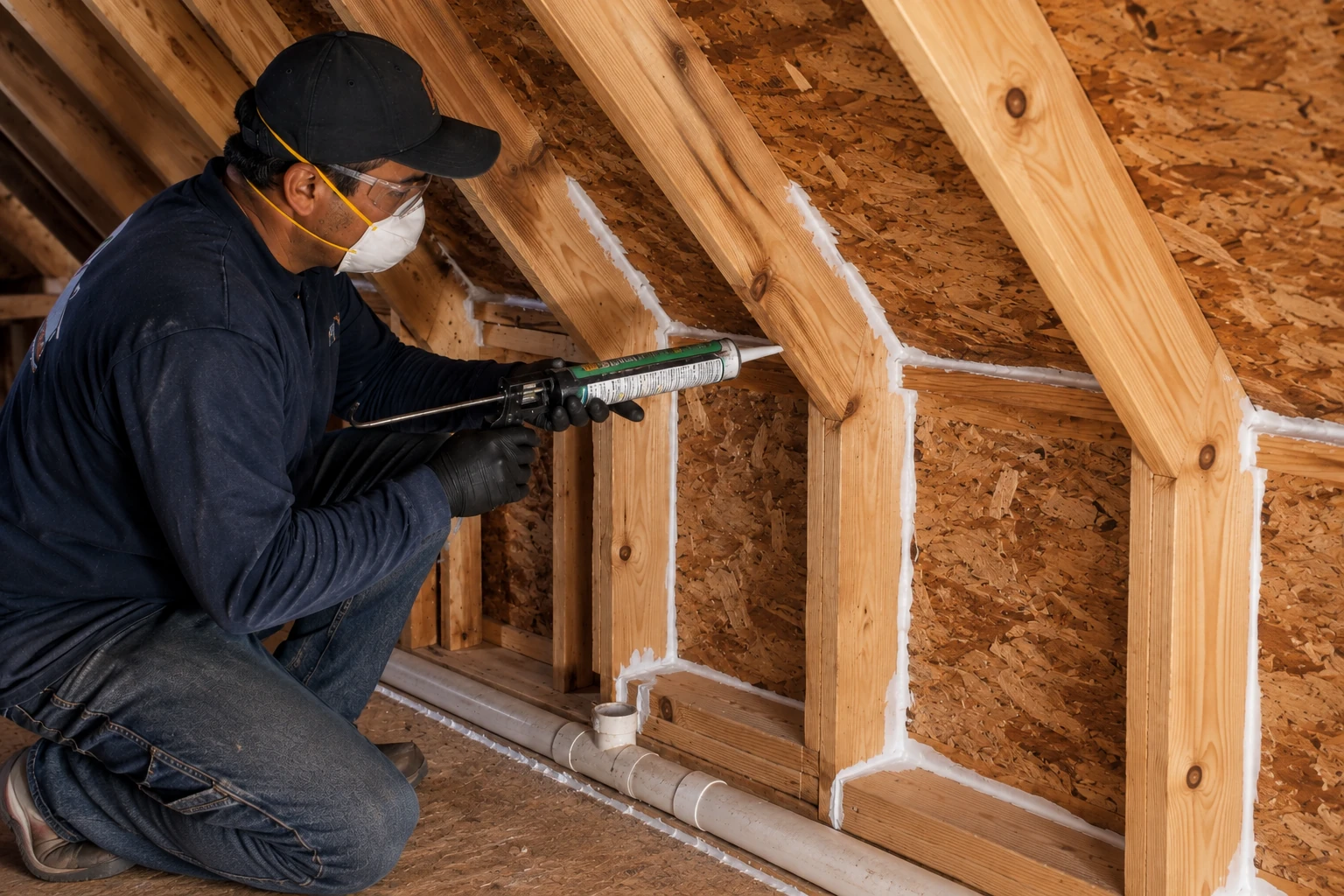
For the whole house rather than one spot. We look at the attic, walls and crawl space together, because a hot room over the garage often has more than one cause.
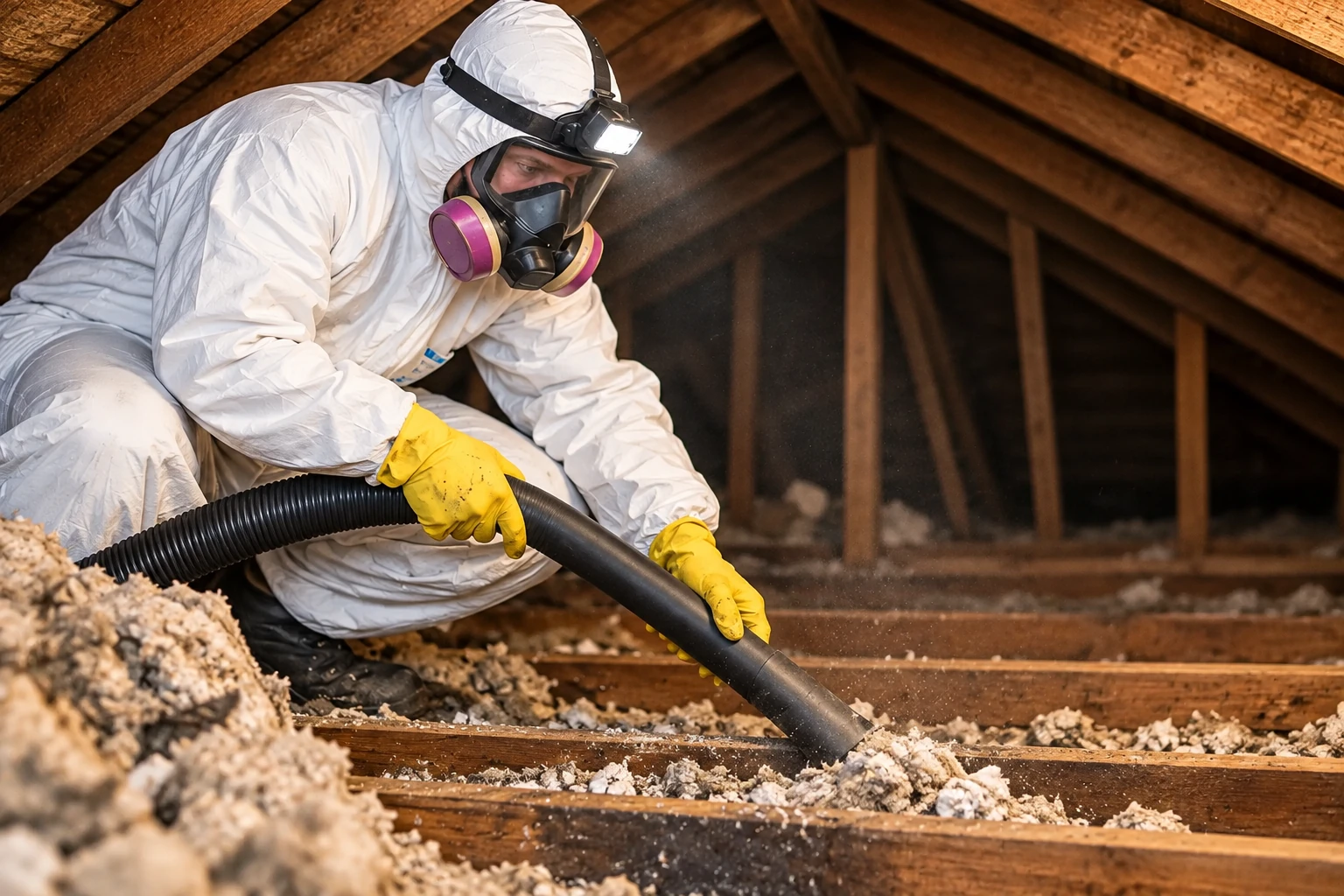
When old insulation is soaked, flattened or full of droppings, new material on top just buries the problem. We bag it out and clean up before anything new goes in.
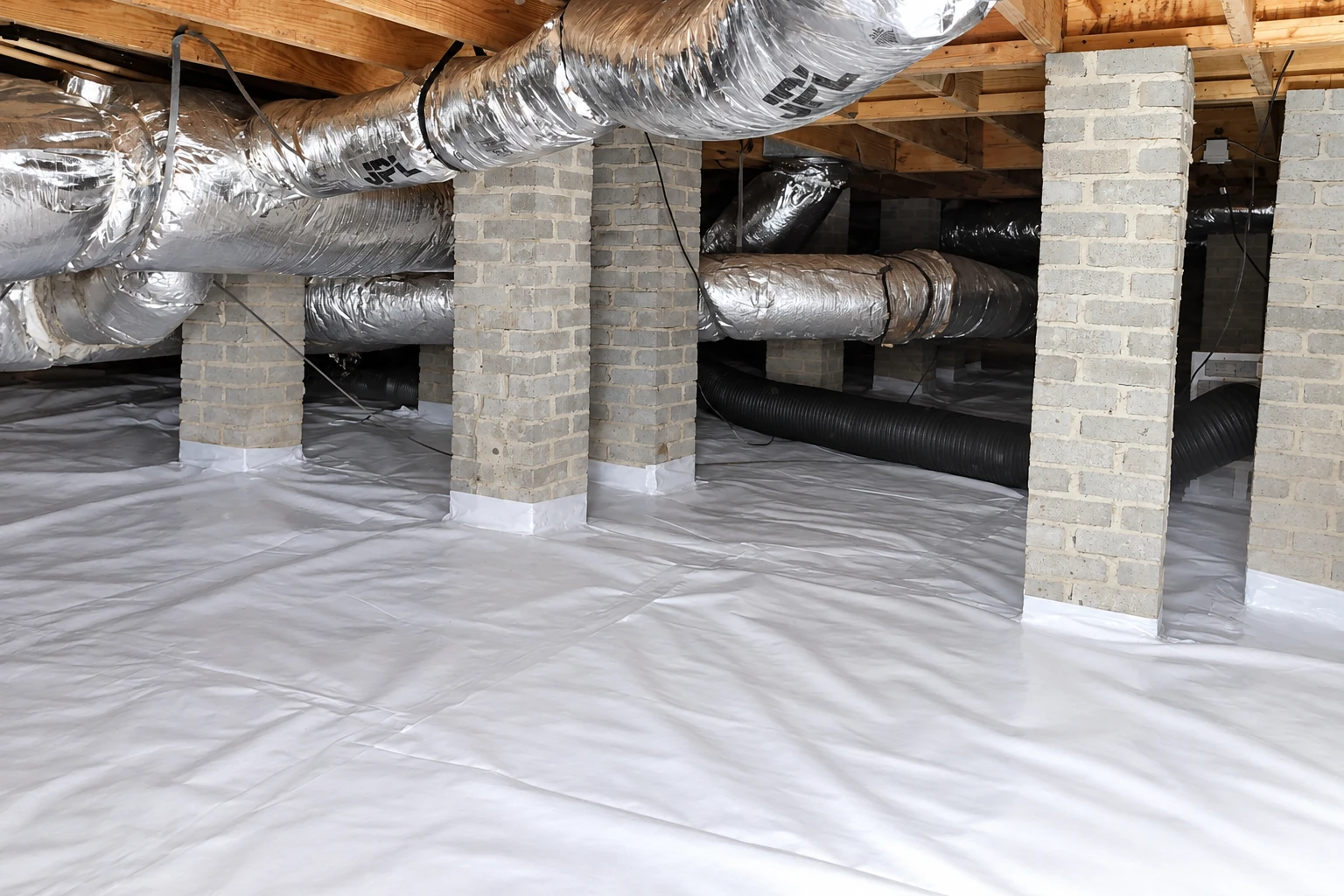
For cold floors over a crawl space. We check for moisture down there before we insulate, since wet insulation under the floor does more harm than good.
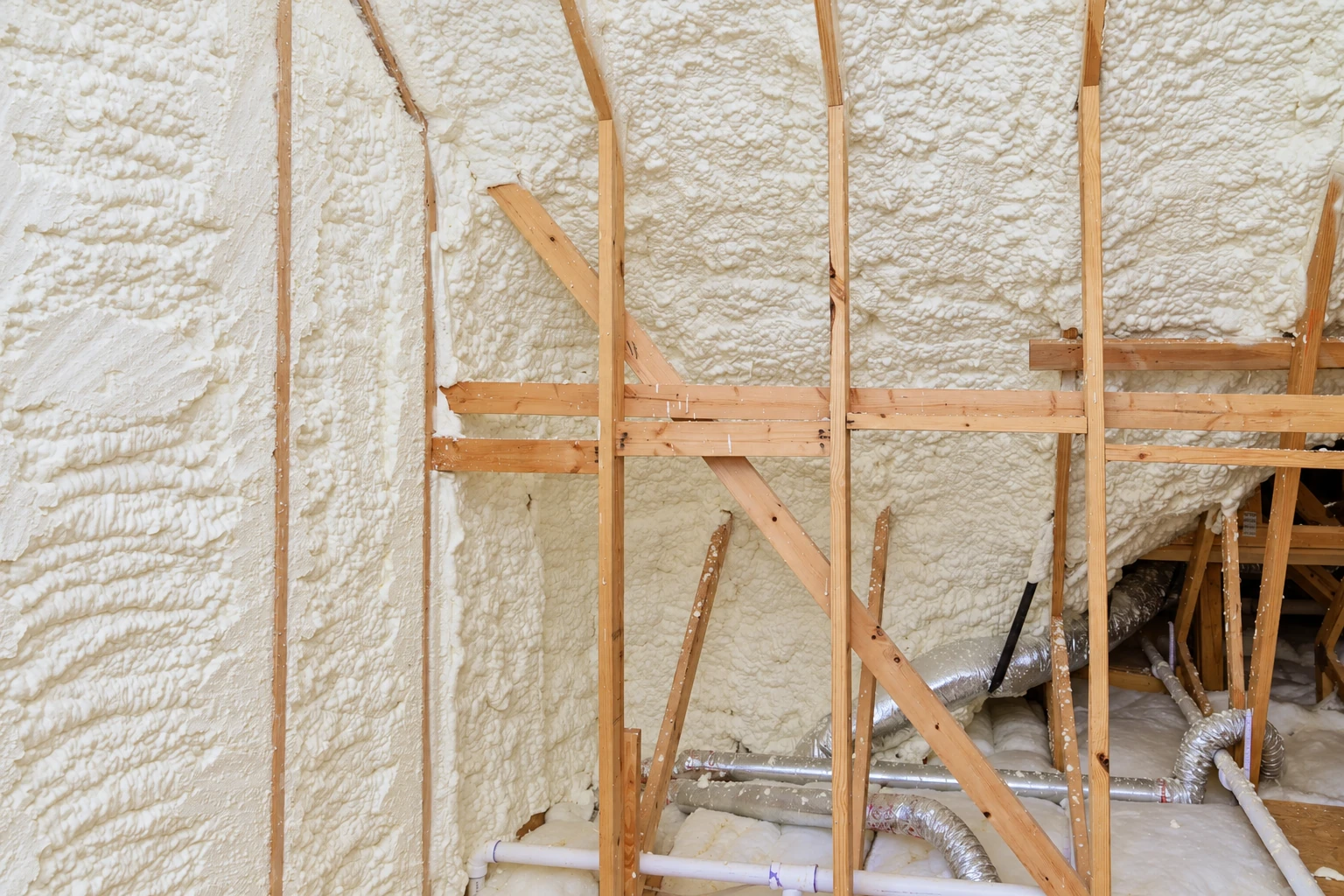
Some walls, especially in older houses, have little or nothing inside them. We can usually fill the cavities through small holes and patch them, rather than opening up whole walls.
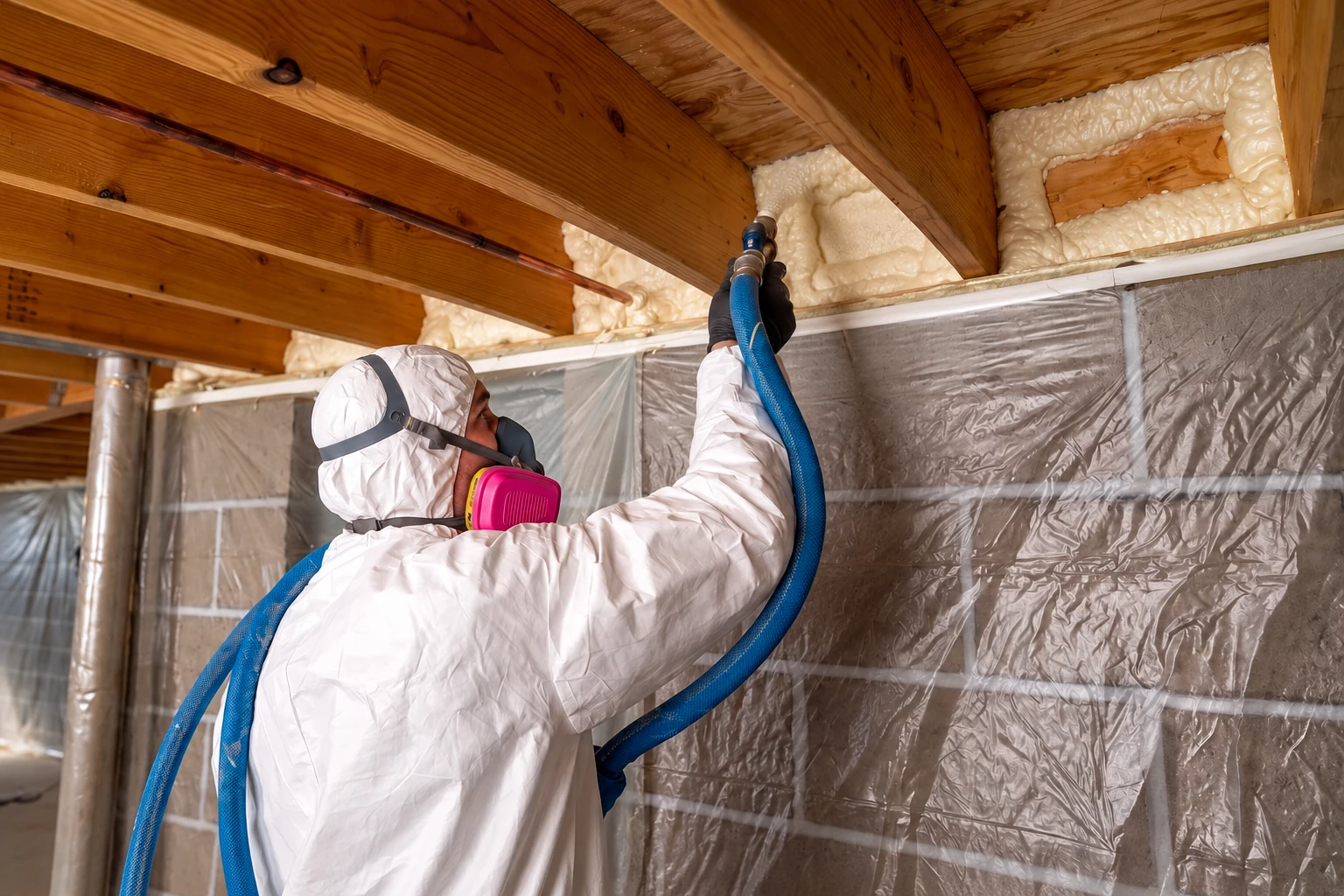
Air sealing means closing the gaps that let attic air slip into your rooms. It's the step most often skipped, and without it the insulation spends its time fighting a draft.
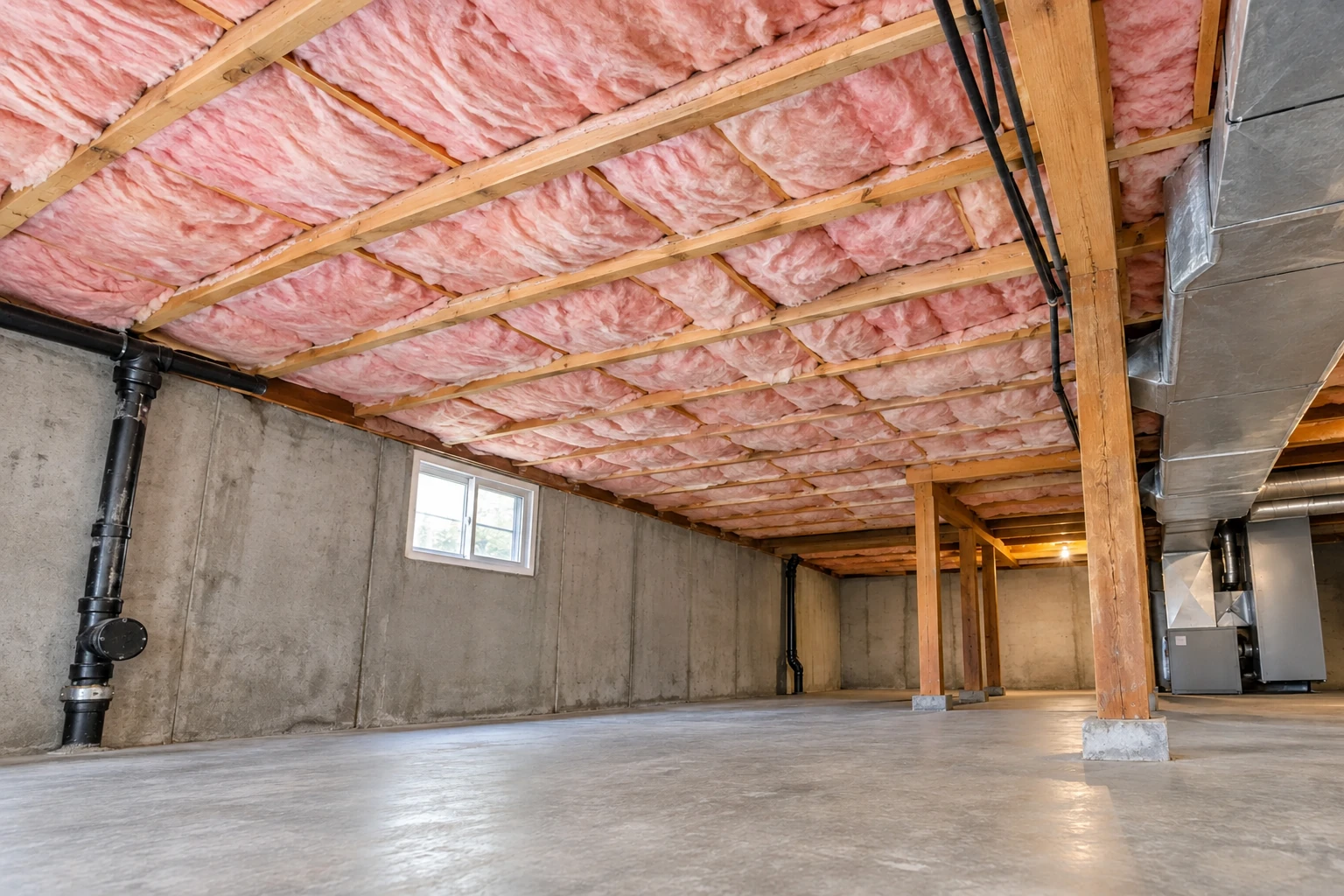
For basement walls and the rim joist, the band of framing on top of the foundation where a lot of air sneaks in. We pick materials that can handle a damp wall.
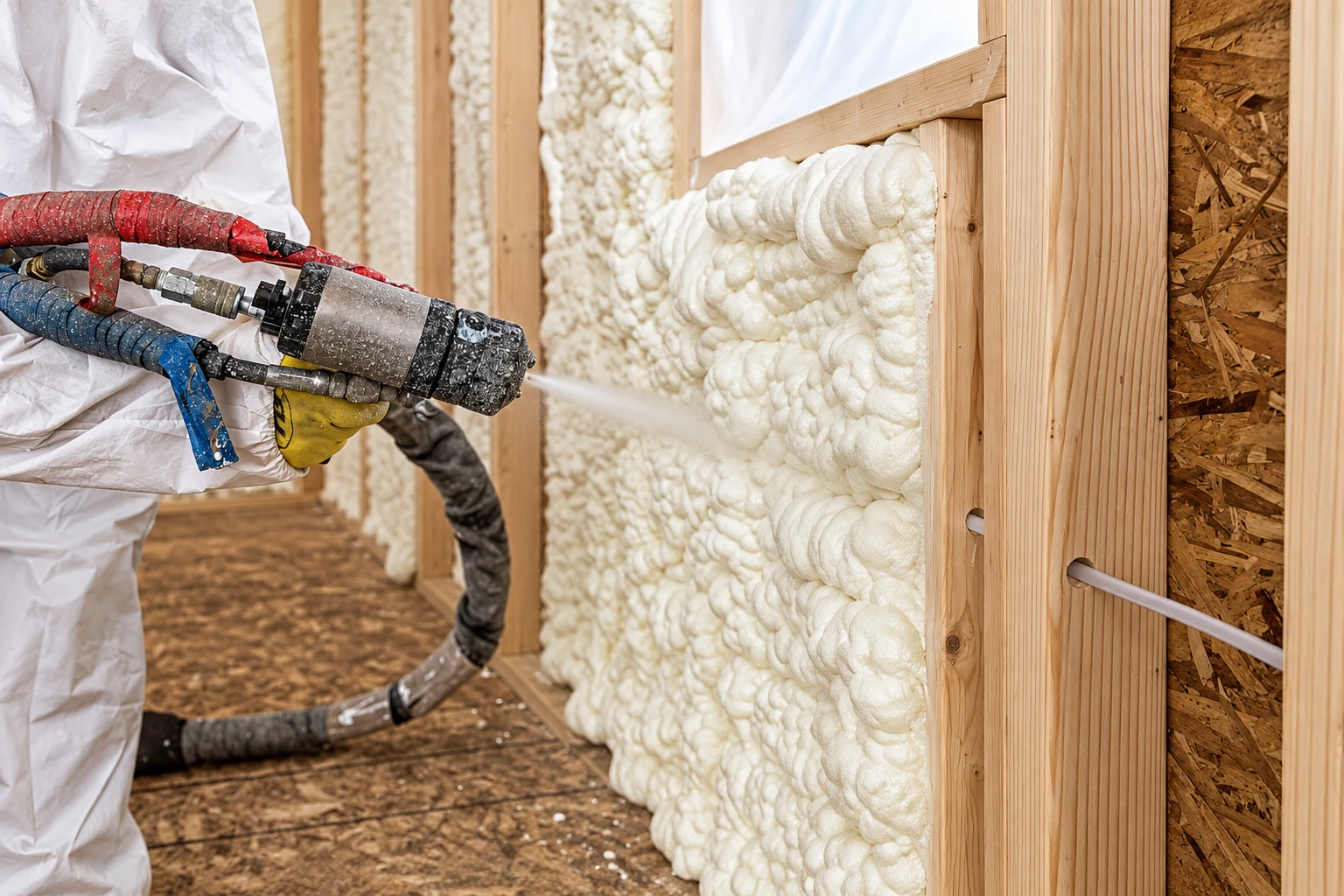
Closed-cell foam is dense foam that also blocks moisture. It suits crawl spaces, rim joists and tight spots where you need a lot of insulation in a thin layer.
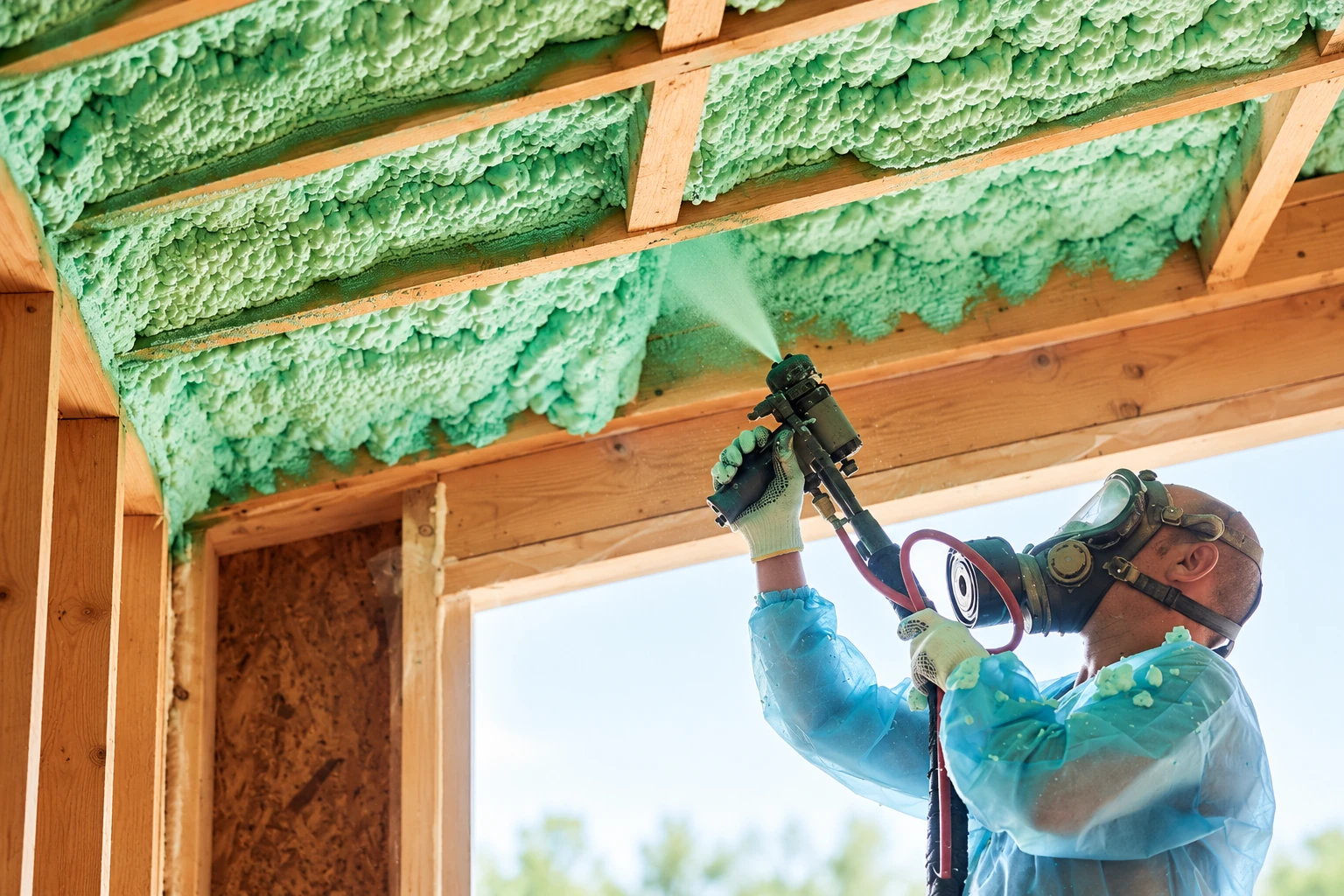
A lighter, softer foam that fills odd-shaped cavities and seals air for less than closed-cell. It works well on an attic roofline when the ductwork lives up there.
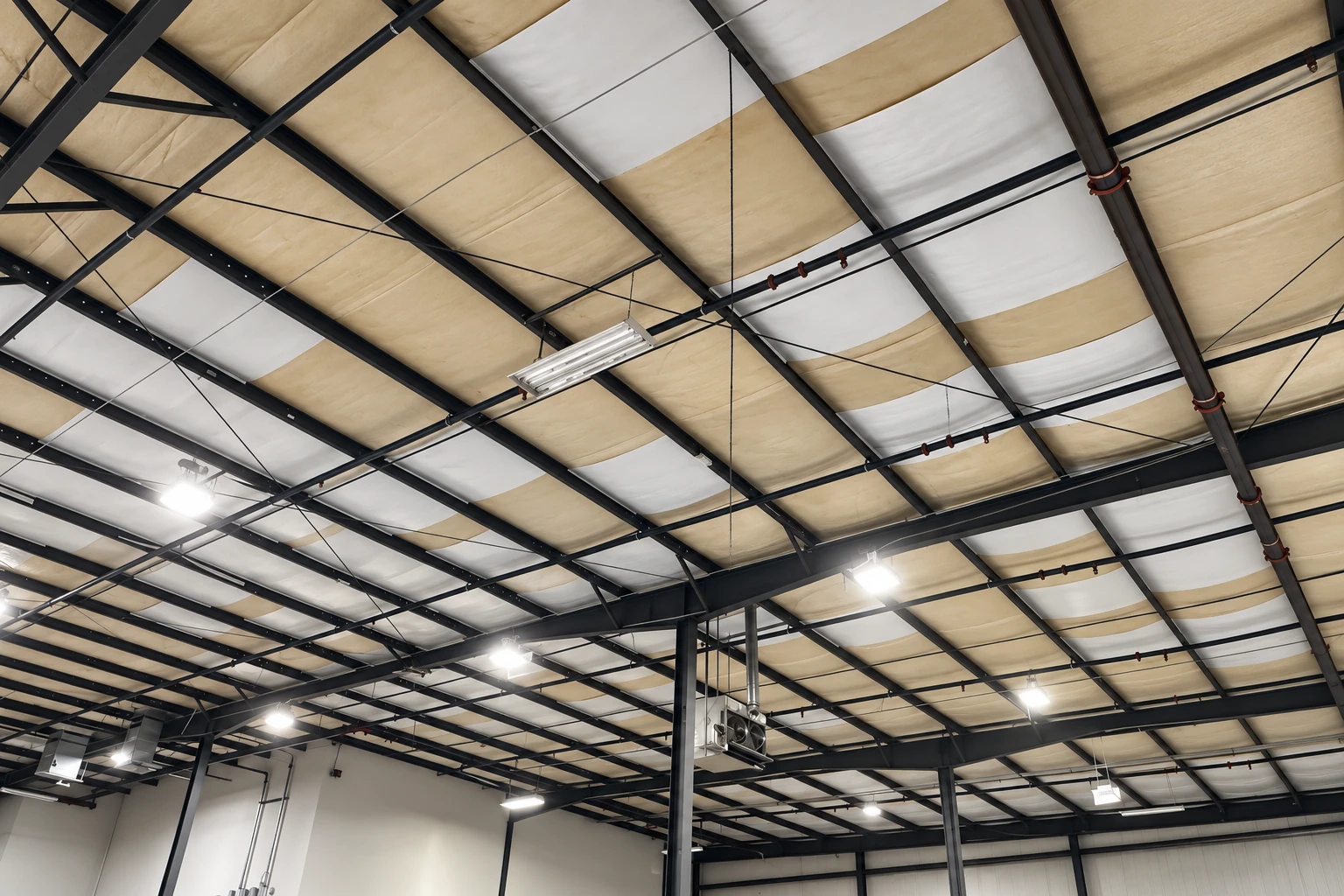
For landlords and small building owners with a unit that won't stay cool or a space that costs too much to run. Same approach as a house, find the cause and fix that.
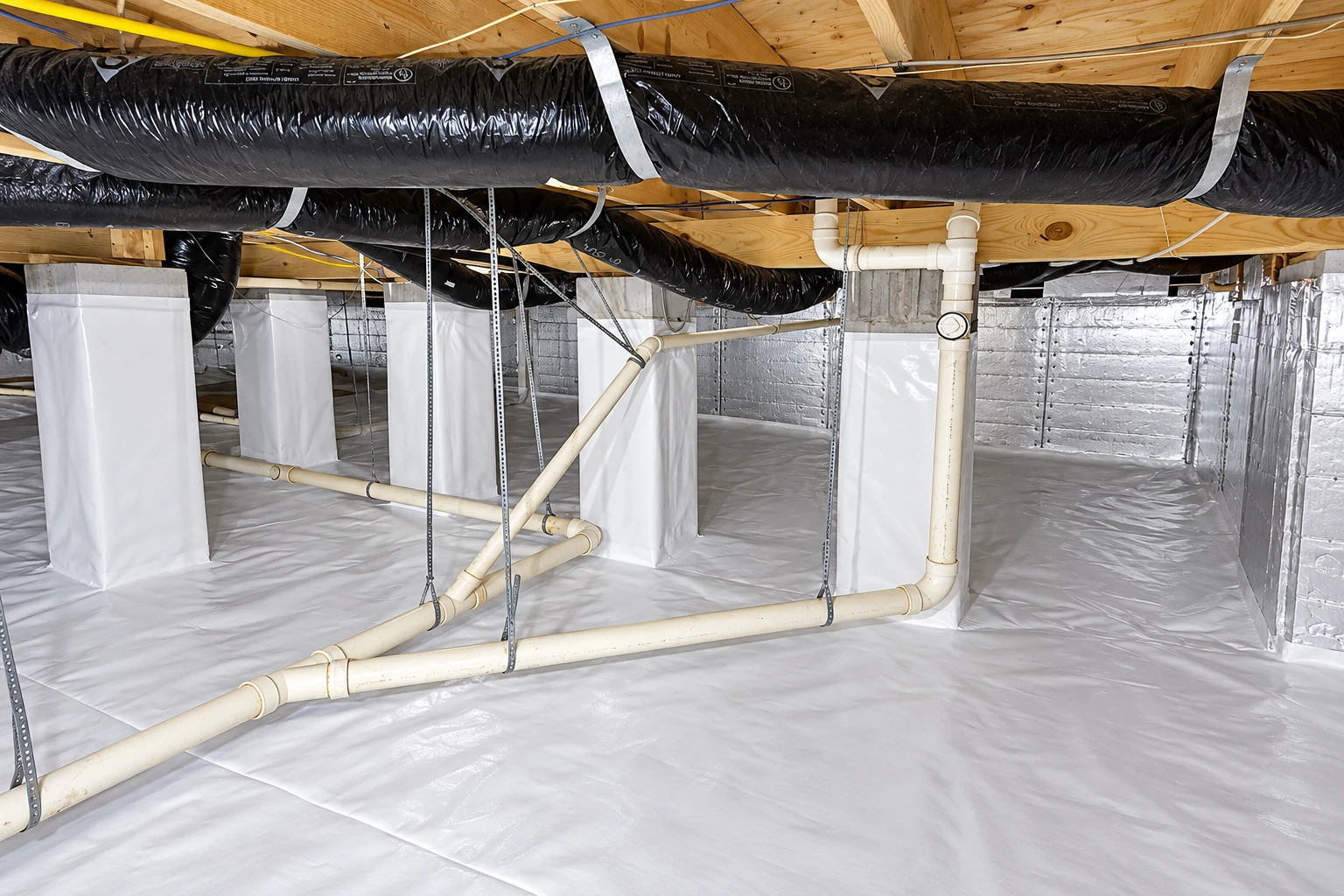
A heavy plastic sheet laid over the dirt floor of a crawl space with the seams sealed, so ground moisture stays out of the framing and the insulation above it.
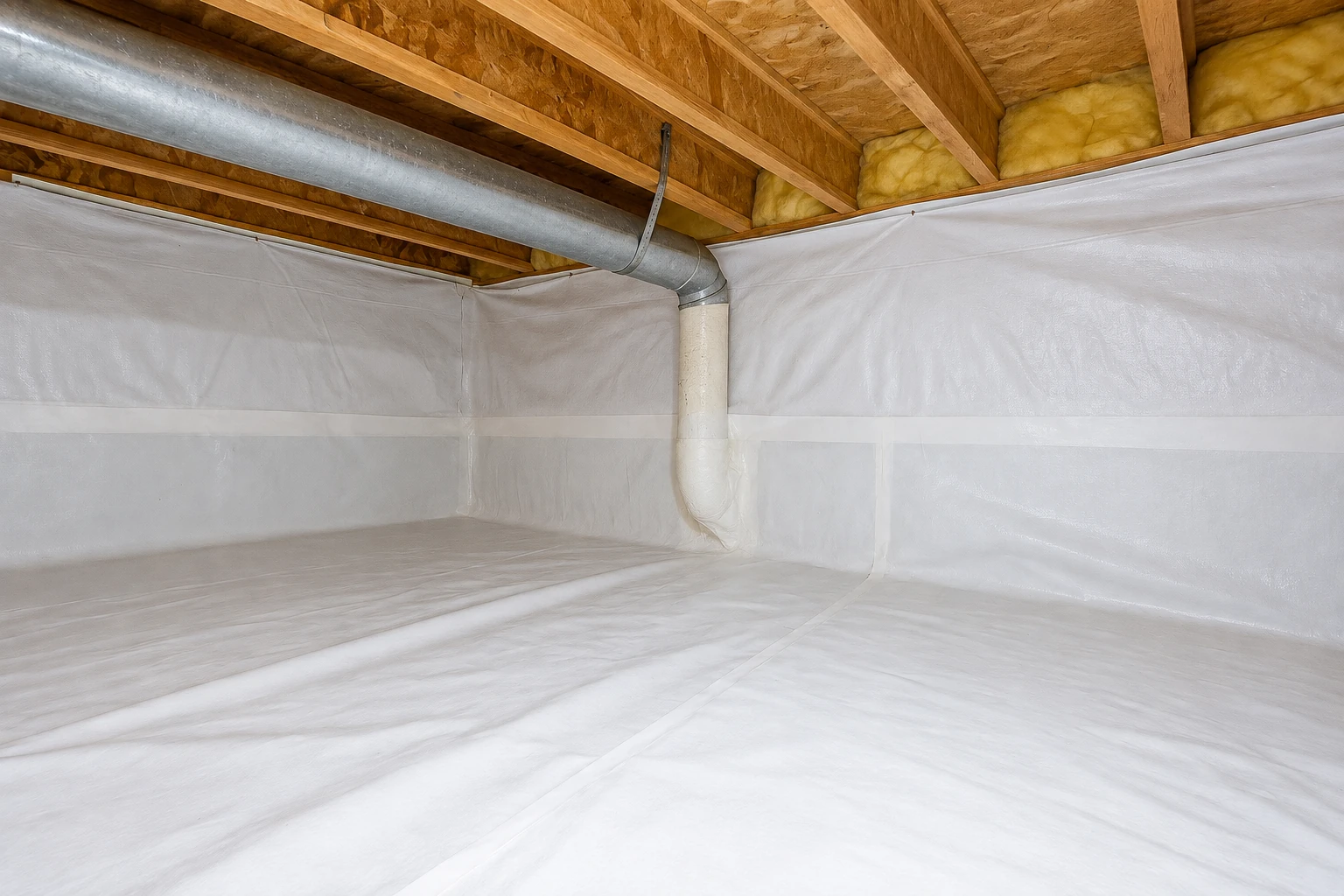
We add a vapor barrier where moisture would otherwise soak into walls, floors or insulation, and we'll tell you plainly when your house doesn't need one.
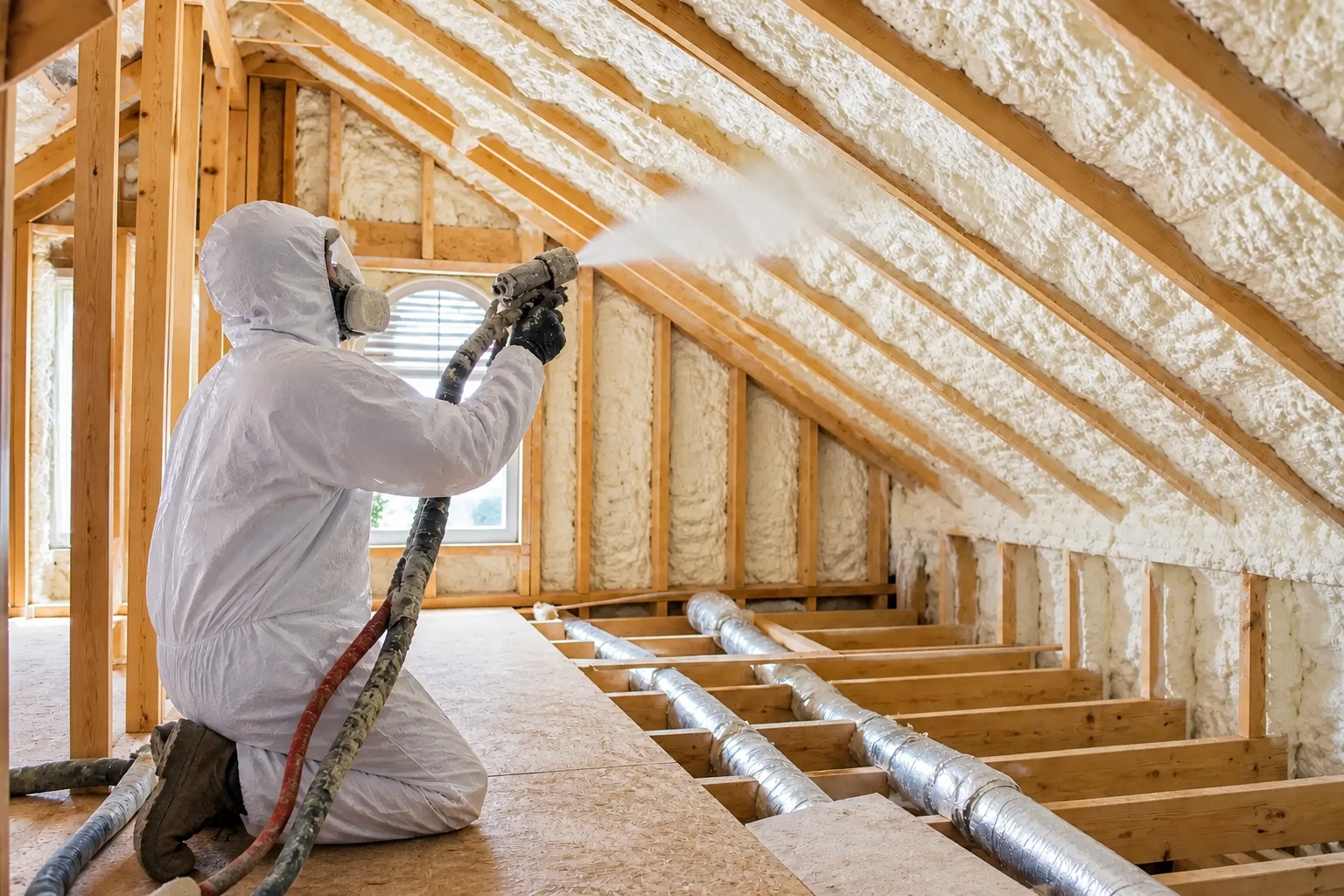
Before any new insulation goes in, we seal around can lights, pipes, wires and the attic hatch, so the new layer isn't working against air coming up from below.
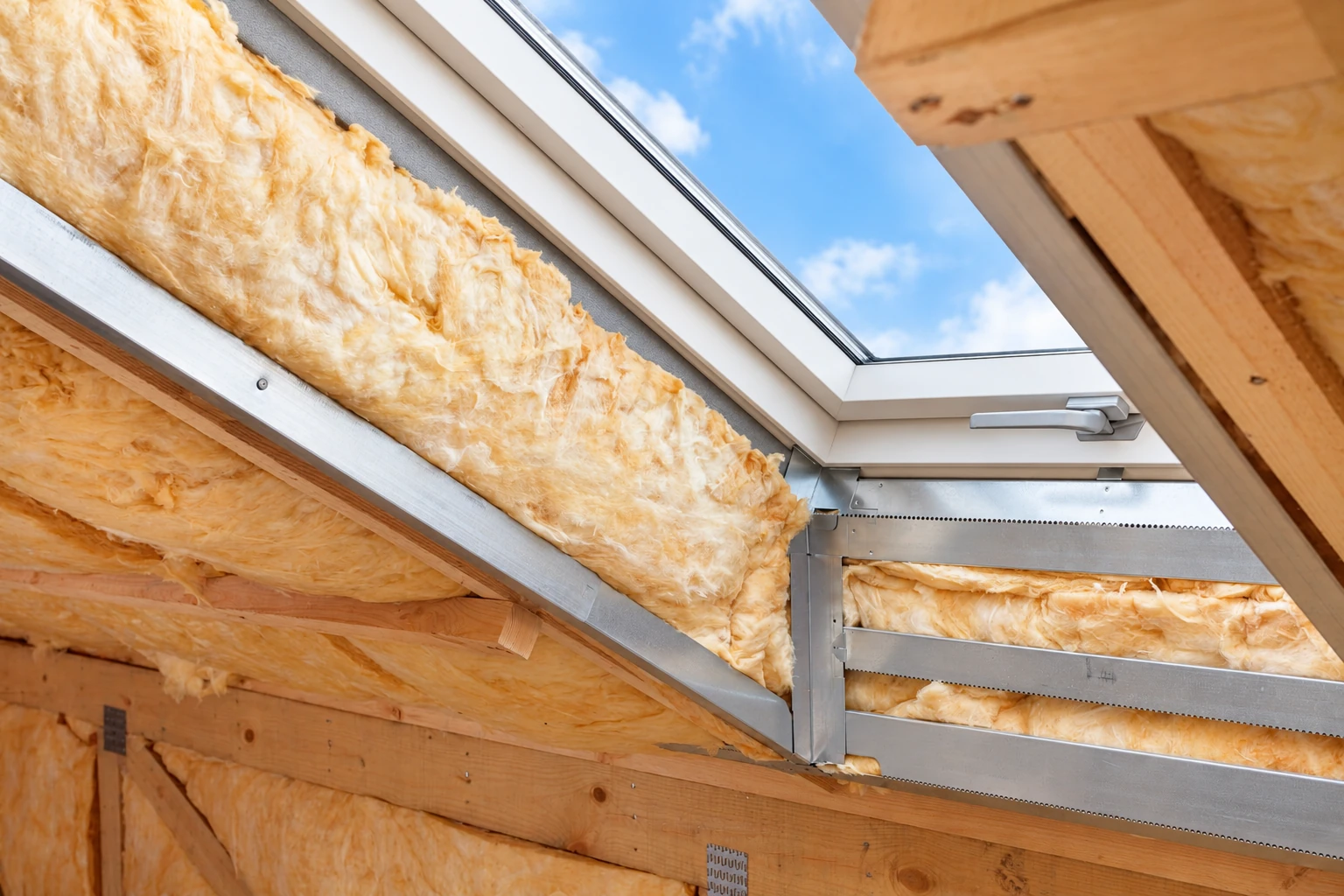
For a house that's already finished and lived in. We add insulation to the attic, walls or floors you already have, with as little tearing out as the job allows.
I spent years fixing appliances, and the part I liked was working out why something wasn't working. Customers kept asking why one bedroom stayed warm no matter what the AC did, so I learned insulation on a crew and started this business in 2020. There's more about how we got here.
That habit stuck. I'd rather spend extra time with a flashlight in your attic than guess, and I'll explain what each clue means so you could tell the next person who works on your house. We're fully licensed and insured. If you want me to take a look, call (951) 393-1170.
We work out why your house runs hot or drafty before we suggest anything, so your money goes to the fix that matches the real problem, not the easiest one to sell.
I come out to see your house myself, so the person sizing up the job is the one responsible for how it turns out.
If a cheaper material or a do-it-yourself fix will solve it, we'll tell you straight, even when that means less work for us.
Here's how a job goes, from your first call to the walkthrough once the insulation is in.
Call (951) 393-1170 or use the form, and we'll get back to you within one business day to set up a time for me to come out.
I go through the attic, crawl space or walls with you and explain what I'm seeing. Then I write up a free estimate, with no obligation to book.
If you go ahead, our installers do the job with a lead installer running it. When they're done, I walk through it with you so you can see what changed.
These example photos show loose fill, foam and vapor barrier setups worth talking over when we look at your attic or crawl space.
Send the form and we'll reply within one business day to set up a visit. I'll look at the house and write up a free estimate, with no pressure to book.
A hot upstairs, cold floors, a power bill that jumped. Whatever made you look us up is the best clue we have, so put it in the note.
We check with the city or county office that covers your house before the work starts. If a permit is needed, we handle the application and meet the inspector.
Call (951) 393-1170 if you'd rather talk it through, or find our email and hours on the contact page. We answer seven days a week, early morning into the evening.
These are the questions people ask first about insulation in Corona, from cost and timing to permits and licenses.
It depends on how much area we're covering, which material fits and whether old insulation has to come out first. Foam costs more than loose fill, and sealing the gaps and topping up is often the cheaper fix that works. I'll come out, look, and write up a free estimate with your own figure.
That depends on the size of the attic, how much is already up there and whether old material has to be removed first. Removal and a tight attic hatch add the most time. Once I've been up there, I can tell you what the job involves and what will take longest.
With spray foam, usually yes for a while, because the foam gives off fumes as it cures. The foam maker sets the re-entry time, when you, the kids and the pets can come back in, and we go over it with you before the day. Blown-in loose fill usually doesn't need you out of the house.
It depends on the job, so we check with the city or county office before we start. In Corona, building permits go through the city's Planning & Development department, and its permit line is 951-736-2250. If a permit is needed, we handle the application and meet the inspector.
In most cases, yes. The Contractors State License Board requires a license when a job needs a building permit, uses hired workers, or comes to $1,000 or more in labor and materials, which covers nearly any real insulation job. We're fully licensed and insured.
Yes. The City of Corona requires a business license for every business working in the city, including ones based somewhere else, and it's renewed each year. It's a fair question to ask any contractor before they start on your house.
Call (951) 393-1170 or send a note about your house, and I'll come look before anyone suggests a fix.