Spray foam insulation
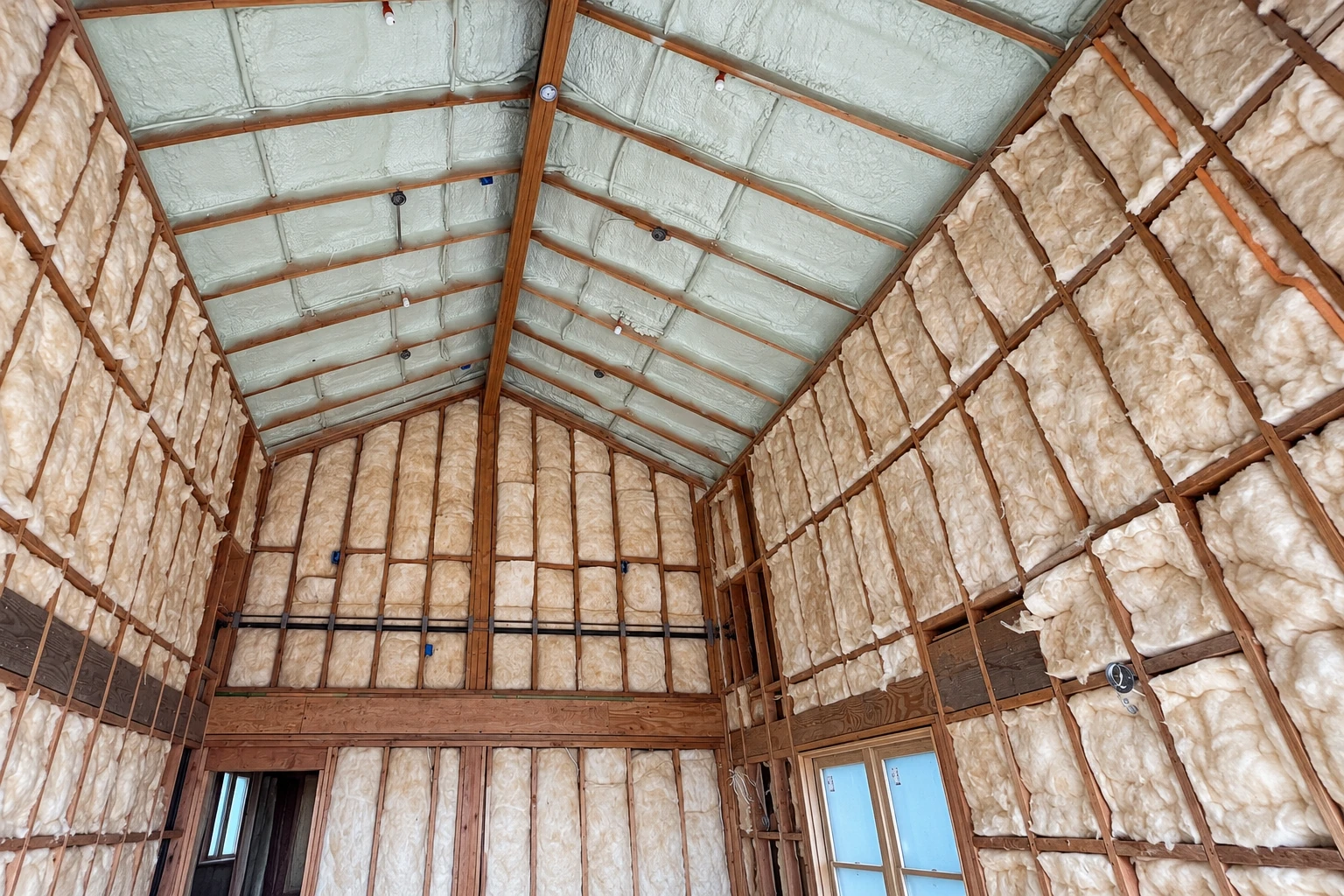
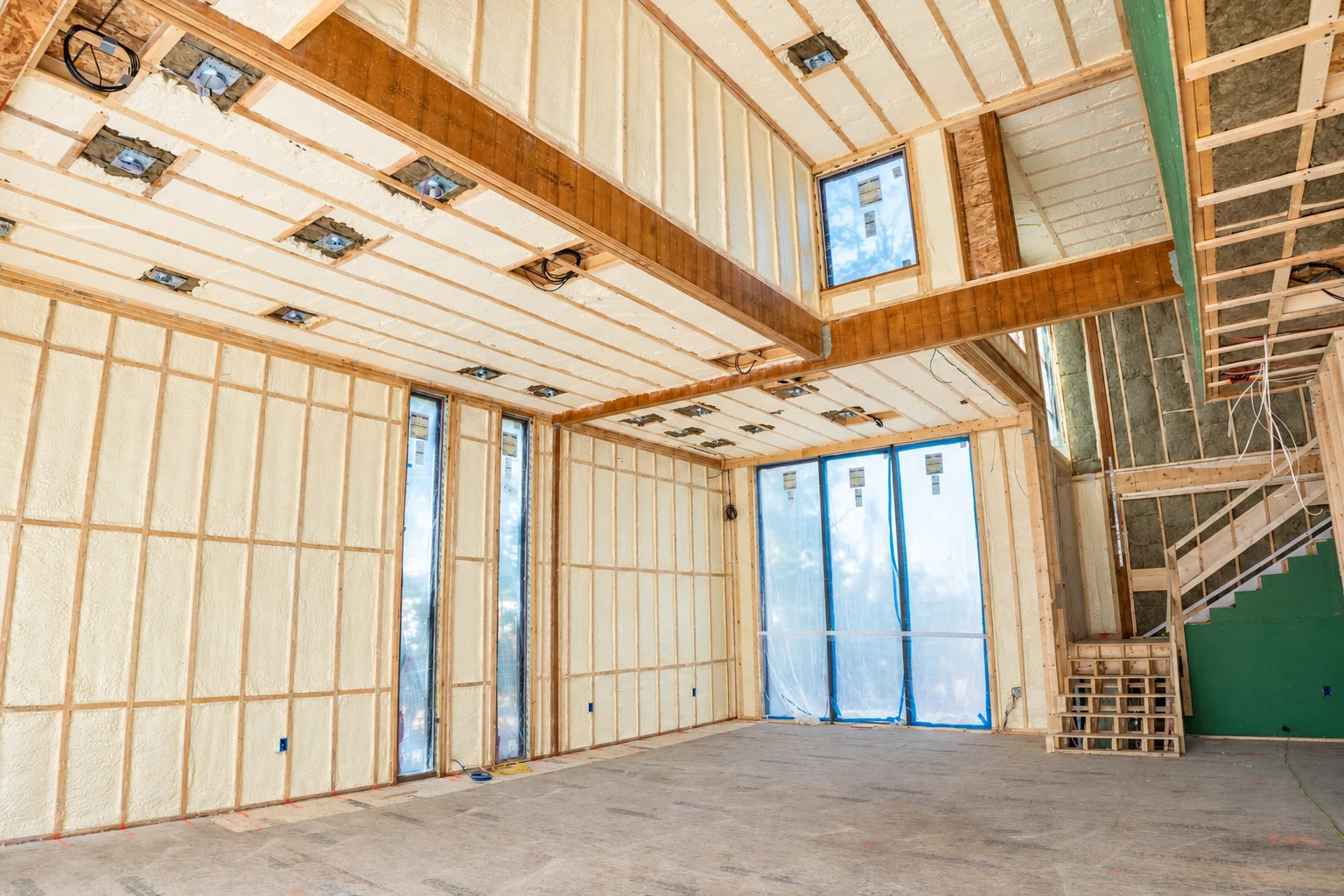
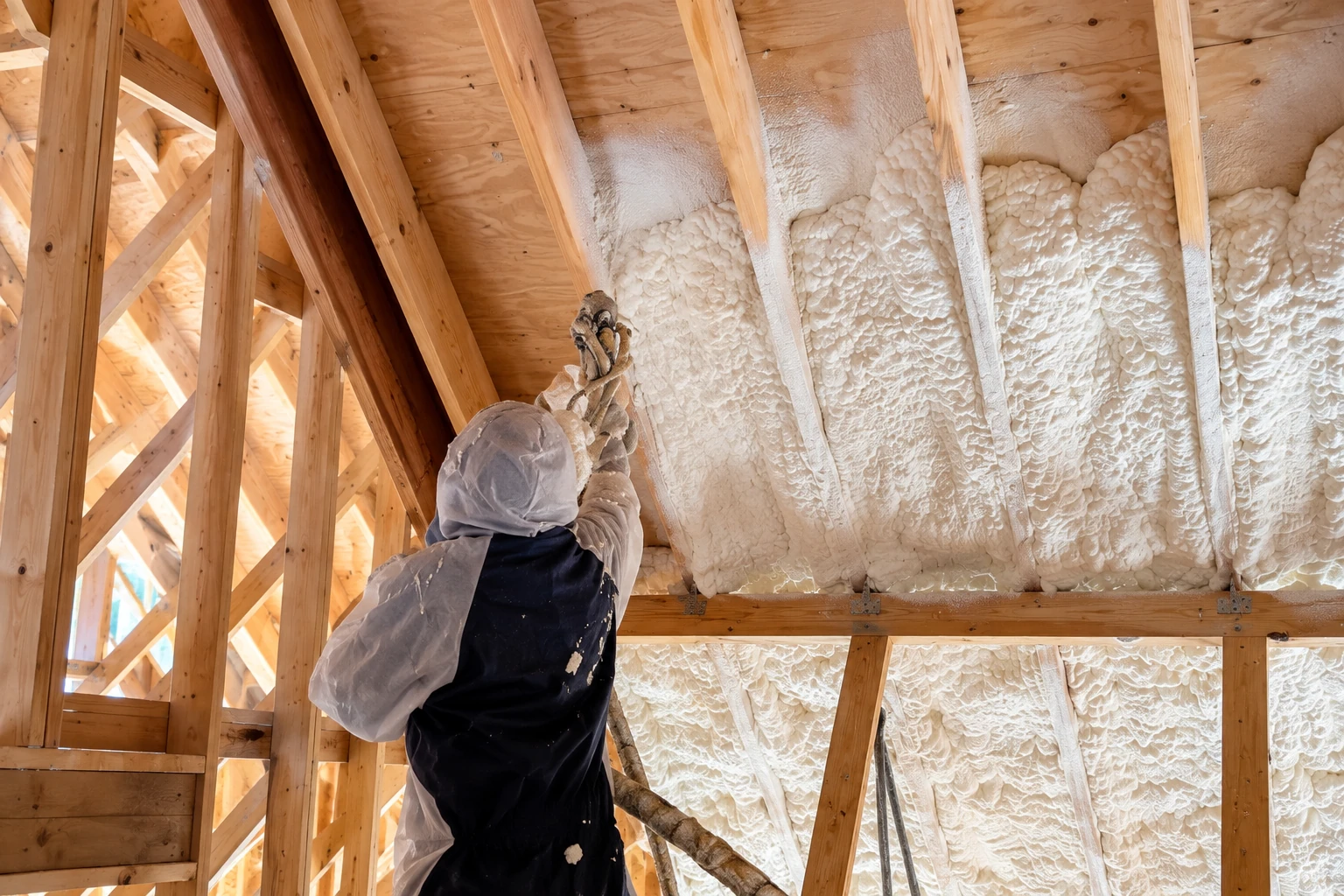
Foam costs more than loose fill but seals air while it insulates, so we usually suggest it when the ductwork runs through the attic or the room over the garage won't cool down.
Truetemp Corona Spray Foam Insulation is an insulation contractor in Corona, CA. We find out why a room stays hot or a floor stays cold, then seal the gaps and insulate the attic, walls or crawl space to fix it.
We're based in Corona and have been at this since 2020, and most of our calls come from right here and the cities around it, like Jurupa Valley and Riverside. The calls tend to sound alike. An upstairs bedroom that stays hot no matter what the AC does, a room over the garage nobody wants to sleep in, a power bill that seems too high for the size of the house. We hear from landlords and small building owners too, usually about the one unit the tenants keep complaining about.
The price moves with the size of the space, how many inches are already up there, whether old material has to come out first and whether loose fill or foam is the right answer, and the schedule mostly turns on removal and any permit. Older houses here tend to have insulation that's settled thin or gotten dirty, and newer ones often have decent depth but open gaps around the can lights and the hatch, which is why I look before I write your number up.
I'll ask when the room gets hot, what's above it and where the ducts run, because each answer points somewhere, and I'd rather spend extra time with a flashlight than guess.
Our installers do the work with a lead installer running each job, so there's one person on site who knows what I found and what we agreed to fix.
If what's up there got soaked or is full of droppings, new insulation on top just buries the problem, so we tell you plainly when it has to come out first.
Foam costs more than loose fill but seals air while it insulates, so we usually suggest it when the ductwork runs through the attic or the room over the garage won't cool down.
We check how many inches are already up there, seal the gaps, keep the eave vents clear and make sure the edges of the attic get as much coverage as the middle.
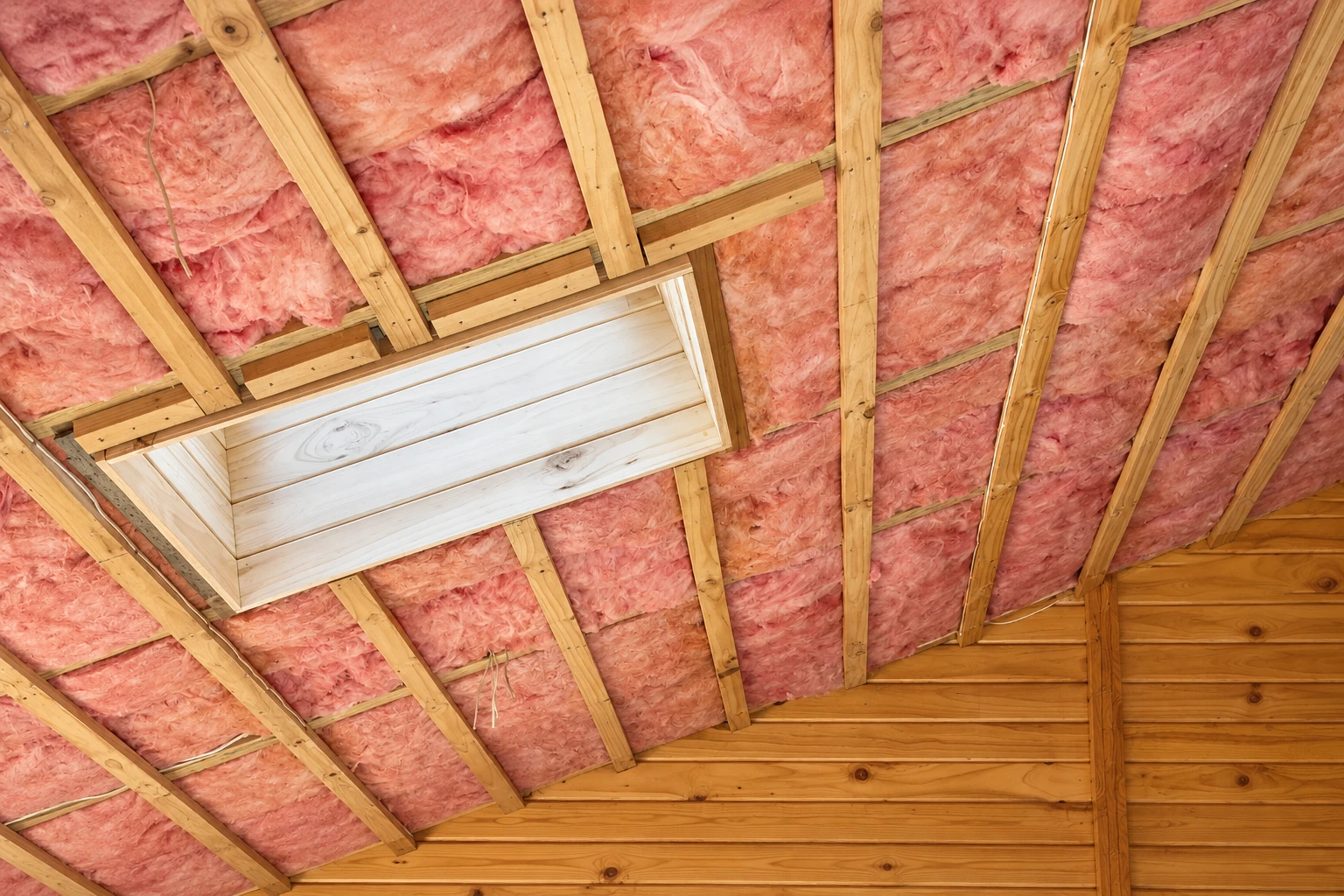
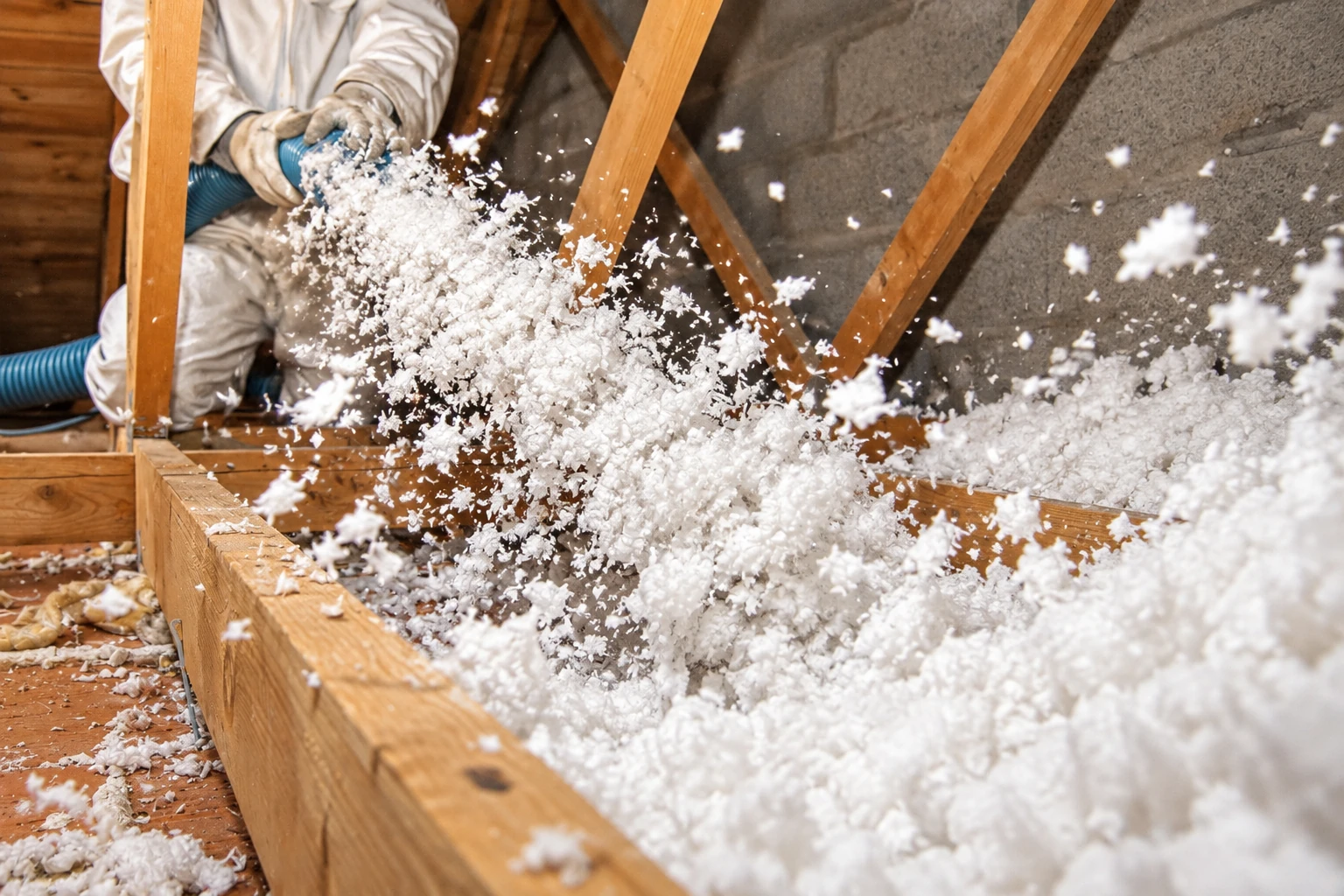
Blown-in is loose fill sent through a hose, so it reaches the low corners and tight edges of an attic that batts tend to miss, and it's often the simpler fix.
When several rooms feel off, we look at the attic, walls and floors together and tell you which one is actually costing you comfort before you spend anything.
When old insulation is soaked, matted down or full of droppings, we vacuum it out and clean up before anything new goes in, so you aren't paying to cover the problem.
Cold floors over a crawl space usually mean thin or fallen insulation under the subfloor, so we check what's left, put it back or replace it and close the gaps around pipes.
Walls are harder to get into than attics, so we check what's inside them first and only suggest filling them when the attic and the gaps don't explain the drafty room.
Air sealing means closing the gaps before insulating, around plumbing, wiring and the wall between the house and garage, because insulation can't do much while a draft runs right through it.
Not many houses we see have a basement, but when yours does, we insulate the walls and the rim along the top so the rooms above stop feeling cold.
Closed-cell foam is dense foam that also blocks moisture, so it suits spots like a crawl space wall or the underside of a floor where damp air is part of the problem.
Open-cell foam is softer and lighter, and it's often the pick for the underside of the roof when ductwork lives in the attic and you want that space closer to house temperature.
For landlords and small building owners, we work around tenants and explain what we found plainly, so you can answer the next complaint about a hot unit yourself.
A plastic sheet over the crawl space dirt keeps ground moisture away from the floor framing and insulation, and we seal the seams and edges so it stays where we put it.
We put vapor barriers where moisture would otherwise reach insulation or framing, and we'll tell you when a spot doesn't need one, since the wrong one in the wrong place can trap damp.
Before we add anything to the attic, we seal around can lights, pipes, wiring holes and the hatch, which is where hot attic air usually sneaks into the rooms below.
Retrofit means adding insulation to a house that's already built and lived in, so we work through the attic, crawl space or small wall openings instead of tearing into finished rooms.
Send the form or call, and we'll set a time. I come out, look over the attic and the rooms that bother you, then write up the estimate so you can decide.
Calls and messages get an answer within one business day, so you aren't left wondering whether anyone read your note about the room that won't cool down.
The estimate is free and happens at your house, because I can't tell what your attic needs from a photo of the hallway ceiling.
If the smaller fix is the right one, I'll say so, and you're free to take the estimate and think it over. Your satisfaction, guaranteed.
Here are the questions Corona homeowners ask us most about permits, licenses and what happens on the day of the job.
The City of Corona's Planning & Development department handles building permits, and its permit line is 951-736-2250. We check with them for each job before we start, and if a permit is needed, we handle the application and meet the inspector. The city also has construction requirements for fire hazard severity zones that apply to some properties, so we ask about those too.
Yes, if the job needs a permit, uses hired workers, or totals $1,000 or more in labor and materials. The Contractors State License Board licenses anyone who builds or alters a structure in California. The limit for small unlicensed work went up from $500 to $1,000, and it only covers jobs with no permit and no hired help. We're fully licensed and insured.
Yes. The city requires a business license for every business working in Corona, whatever the trade, and that includes contractors whose main address is in another city. The license is renewed every year on its anniversary, so it's fair to ask any contractor whether theirs is current before they start.
Yes, while it's being sprayed and for a while after. The foam maker sets a re-entry time, which is how long before you, the kids and the pets can come back inside, and we give you that before the job is booked. Blown-in and batt jobs are different, and most families stay home and just keep clear of the hose.
These are the cities with their own page on our site, and we work in plenty of others around Corona. If yours isn't listed, call or send the form and ask.
Call (951) 393-1170 or send the form tonight, since the phones are open until 11 PM on weekdays and 10 PM on weekends.