Rooms that feel drafty
If a bedroom feels breezy with the windows shut, air is often moving through gaps in the ceiling, and sealing those openings stops it where it starts.
Upstairs too hot, or a room that never feels right? We find where attic air is getting into your house and close it off.
Attic air sealing in Corona is what we do at Truetemp Corona Spray Foam Insulation to close the gaps between your attic and the rooms below, so air stops leaking down around pipes, wires, lights and the hatch.
Most people call because the AC runs all afternoon and one bedroom still won't cool down, and they've already guessed they need more insulation. Sometimes they do, but often the insulation is fine and air is just sneaking around it. The price turns on how many openings your attic floor has, how much old insulation we have to move to reach them, how easy the attic is to get around in and whether anything needs fixing first. The schedule mostly depends on those repairs and on whether new insulation goes in afterward. I'll give you your own figure once I've been up there with a flashlight.
I come out to look at your attic and write the estimate myself, because I'd rather spend extra time up there with a flashlight than guess at what's wrong.
A lead installer runs each job, and I want you to understand what we did well enough to explain it to whoever works on your house next.
California's contractor license board treats installing insulation for temperature or sound control as its own kind of contracting, and we're fully licensed and insured for the work we do in your home.
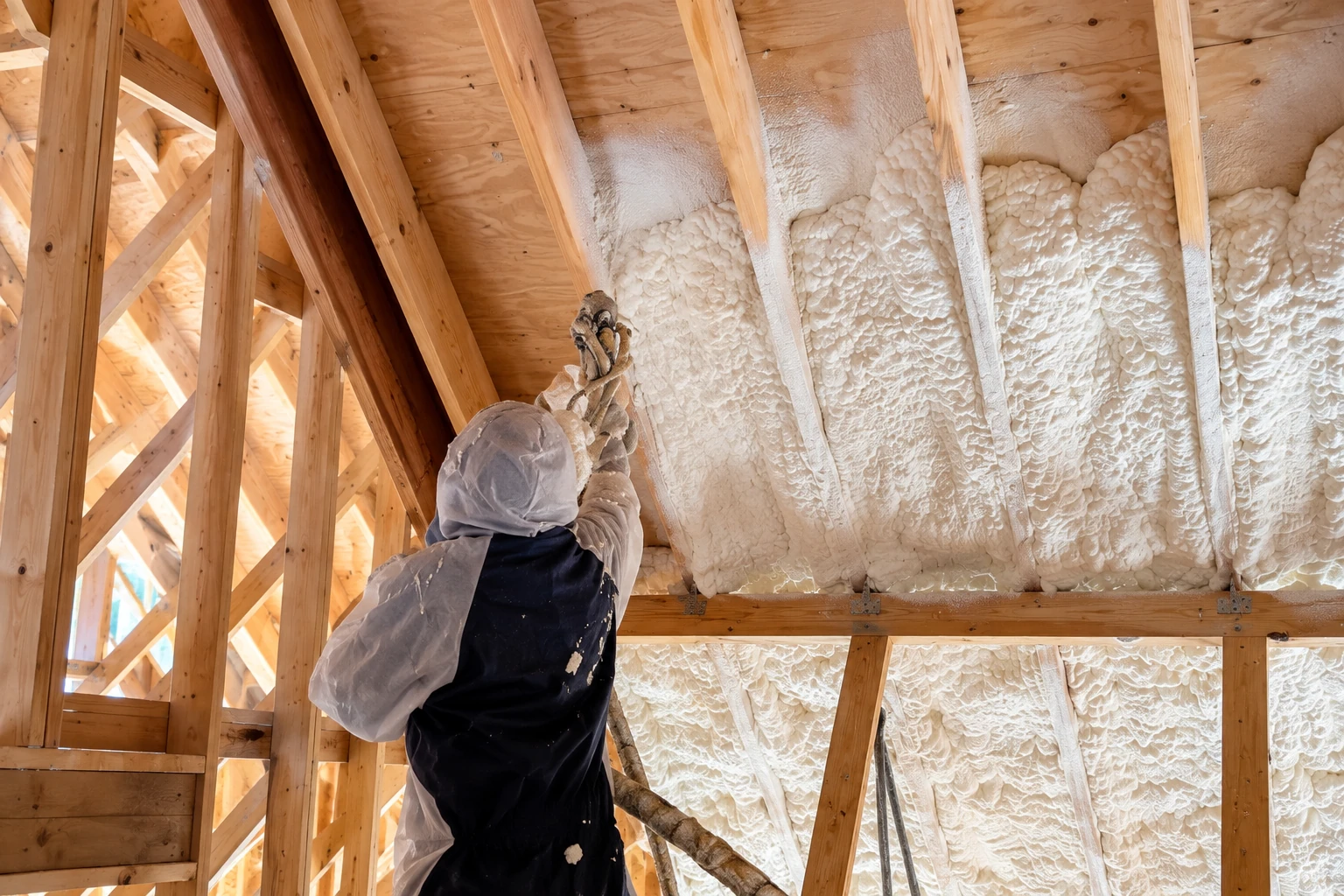
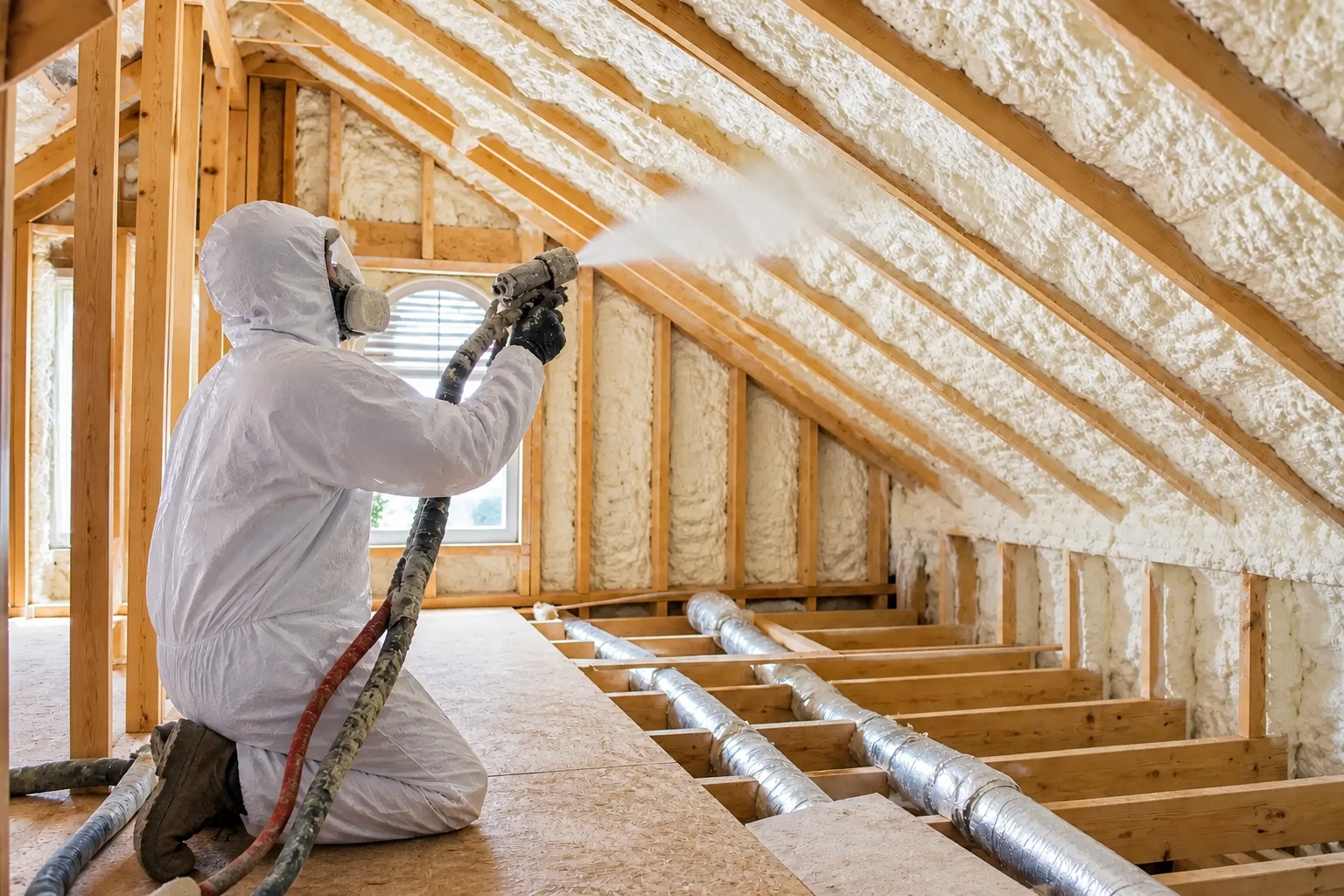
Once any repairs are taken care of, our crew moves the old insulation aside so we can reach the attic floor, the layer sitting right over your ceilings. Then we go from one opening to the next and match the material to each one. Small gaps around pipes, wires and light fixtures usually take caulk or foam. Big holes and open soffits, the hollow boxed-in spots over cabinets and closets, take solid blocking. A hot flue gets metal blocking and a collar, with a special high-temperature caulk instead of spray foam where it meets its metal flashing. We seal the hatch or pull-down stairs too, with weatherstripping on the frame or the panel, because that's an easy leak to miss. Then the insulation goes back over the top.
If your attic is short on insulation, retrofit insulation is the next step, and it goes in after the sealing for the reason covered in the questions below. When your ductwork runs through the attic, I'll walk you through spray foam insulation, which costs more but seals and insulates in one pass. If there are no ducts up there, sealing the gaps and topping up the loose fill is usually the better deal.
If a bedroom feels breezy with the windows shut, air is often moving through gaps in the ceiling, and sealing those openings stops it where it starts.
When the room over the garage stays hot while the rest of the house is fine, the attic floor above it is one of the first places I look.
High cooling or heating bills can mean the air you paid to cool or heat is slipping up into the attic. That's an expensive way to air-condition a storage space.
Dust that keeps settling in rooms right below the attic can mean air is coming down through ceiling gaps and carrying attic dust in with it.
Send the form and we'll reply within one business day to set a time. I'll come out, look at your attic and write up a free estimate, with no obligation to book. Your satisfaction, guaranteed.
Tell us which rooms run drafty, hot or dusty and when it's worst, so I know where to look first and the visit goes to your actual problem.
Let us know if you have a furnace or water heater that burns fuel, because sealing can change how it vents and that adds a safety check to the plan.
If you're planning new insulation, tell us now, because the sealing has to come first and it's simpler to plan both together than to dig back in later.
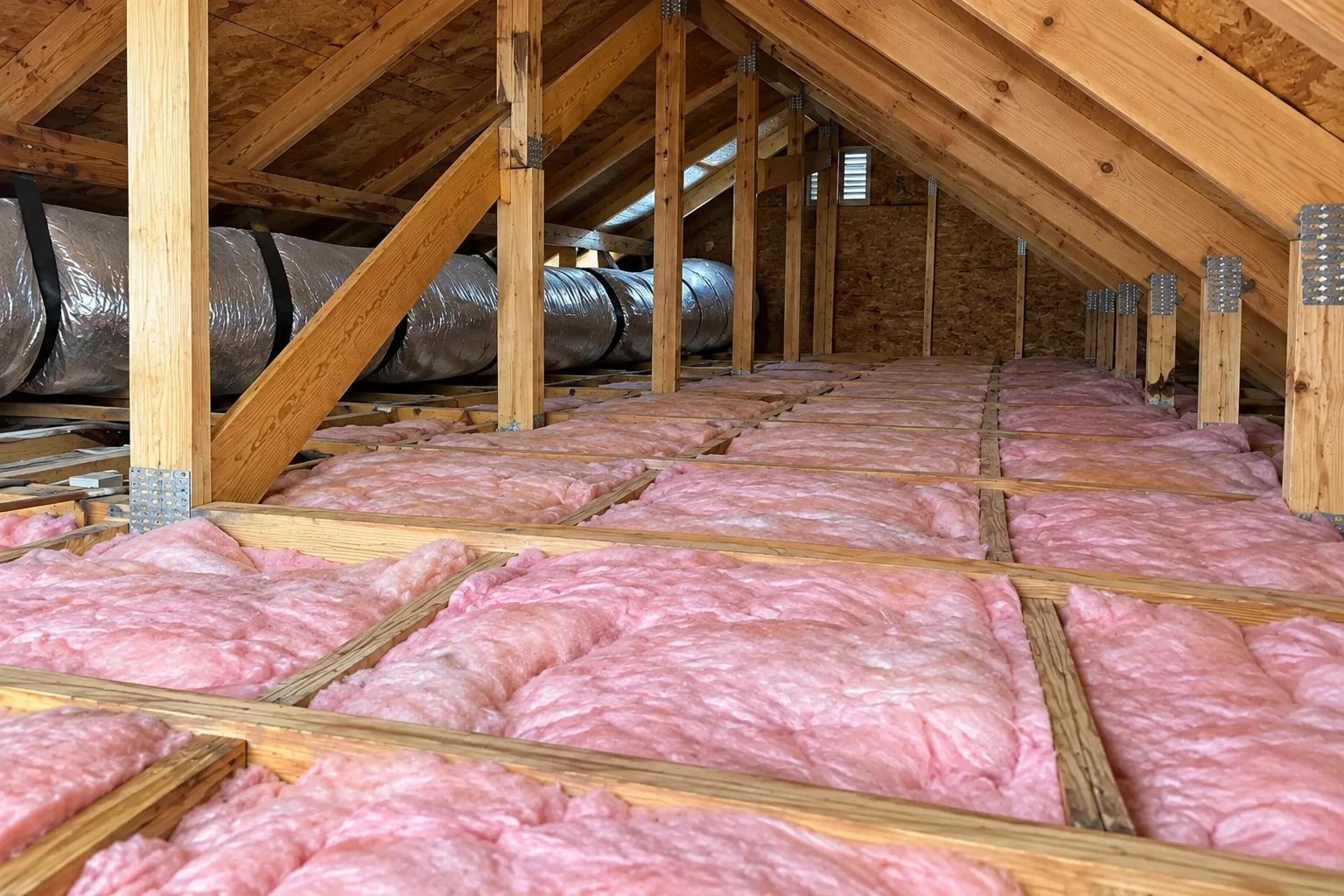
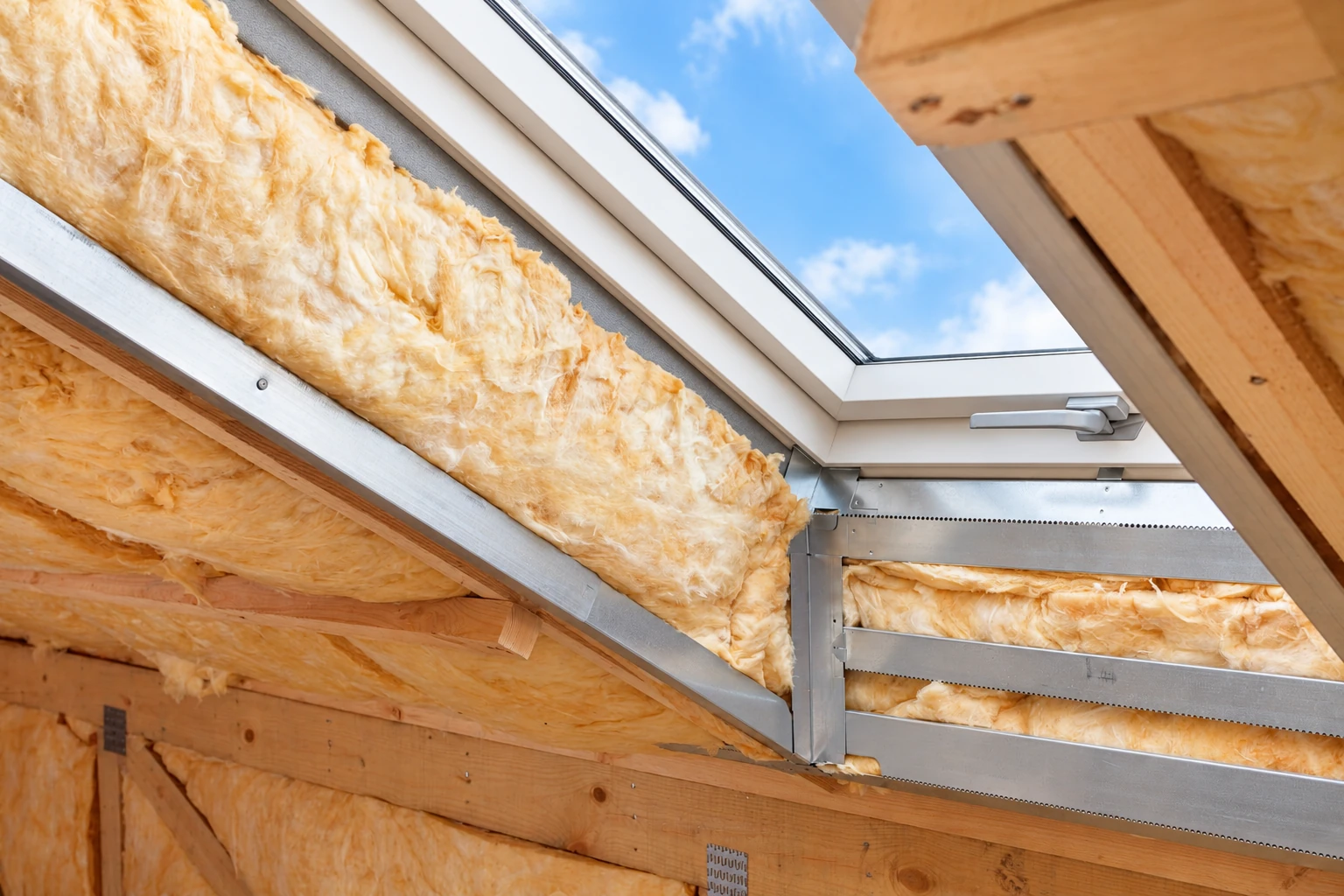
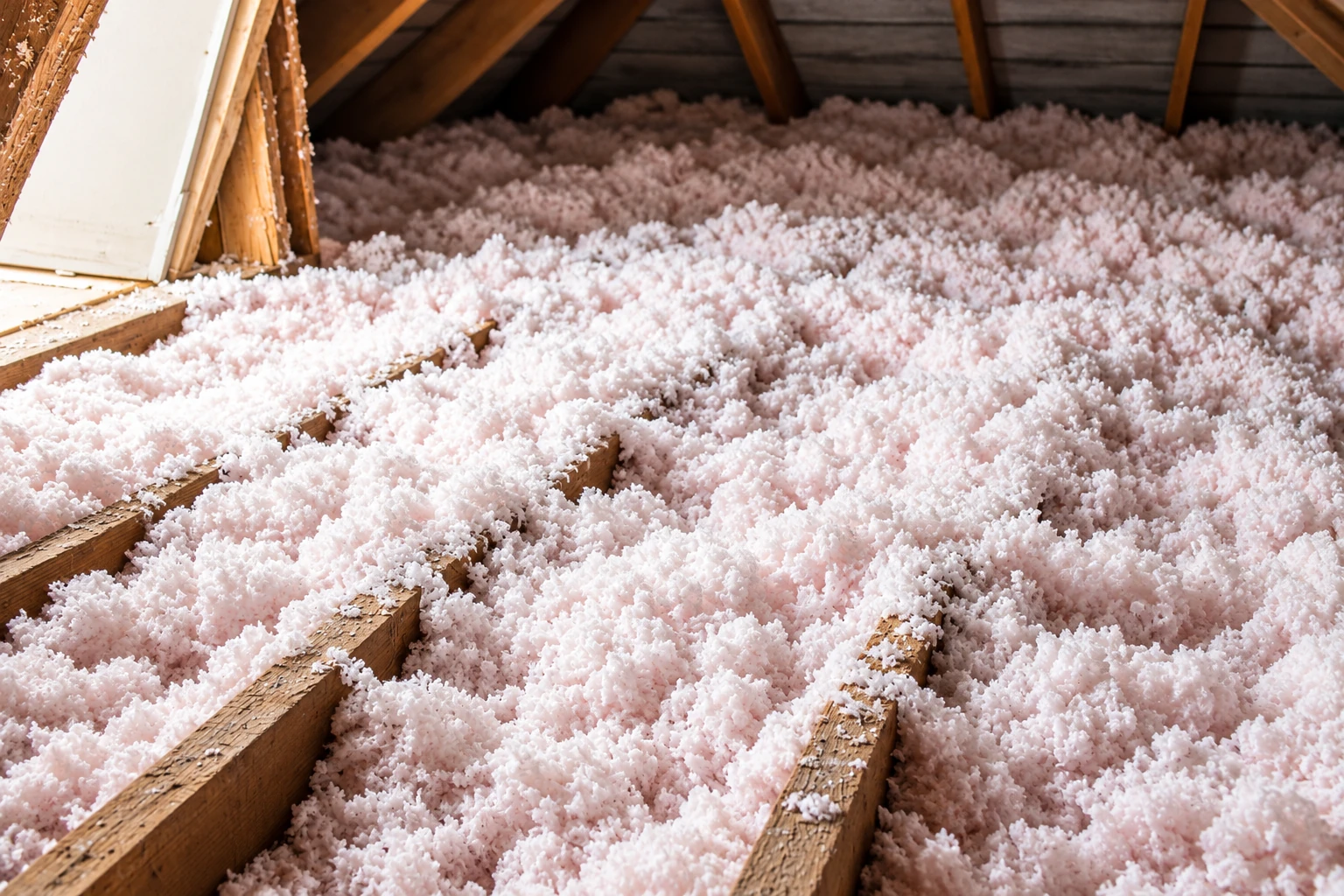
These photos show the kinds of sealed hatches, flue collars, wiring gaps and insulation layouts we can talk through when I'm at your house.
These are the questions people ask me most before sealing an attic, from safety and timing to help with the cost.
Usually yes, if you've noticed the signs above, but the attic has to be in decent shape first. Wet insulation from a roof leak, moldy or rotted framing, vents blowing moist air into the attic, little or no attic ventilation and old knob and tube wiring all need a professional fix before sealing. I check for all of that during the estimate.
Yes, seal first. Once new insulation goes down over the ceiling, the chance to seal is gone until someone pulls that insulation back out, so you'd end up paying for the attic work twice. If you're planning both, we'll schedule the sealing ahead of the insulation.
It is when the appliances get tested, and that test is the part to plan for. Sealing can sometimes cause appliances that burn fuel and vent naturally to send combustion gases back into the house, so the draft of each one gets checked before and after the sealing. Tell us what you have and we'll plan the job around it.
Leave it in place until it's tested. Vermiculite should stay put until an approved lab tests it for asbestos, and the local health department can tell you which labs are approved. If I spot it during the estimate, I'll point it out, and we'll hold off on sealing until you have the results.
There can be, if your household qualifies. The state's Energy Savings Assistance program provides weatherization services at no cost to people who meet the CARE or FERA income limits. It's worth checking before you decide whether to pay for sealing yourself.
Call (951) 393-1170 or send the form, because the stubborn rooms nobody else could explain are the ones I most like working out.